Importance of Meditation During Pregnancy: Increase Practice Time in Every Trimester for Benefits to Both Mother and Baby
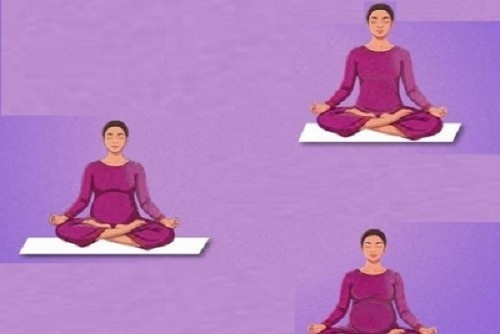
Pregnancy is one of the most beautiful and transformative phases in a woman’s life. Along with excitement and joy, it also brings emotional changes, physical discomfort, and mental stress. During this crucial journey, meditation can play an important role in maintaining emotional balance, reducing anxiety, and supporting overall well-being for both the mother and the developing baby.
Health experts and wellness practitioners often recommend meditation during pregnancy because it helps calm the mind, improve sleep, and create a positive connection between mother and child. Gradually increasing meditation time in each trimester can further enhance these benefits.
Why Meditation Is Important During Pregnancy
Pregnancy involves hormonal fluctuations, lifestyle changes, and physical challenges that may lead to stress, mood swings, or fatigue. Meditation helps expectant mothers stay mentally relaxed and emotionally stable.
Regular meditation may help:
Reduce stress and anxiety
Improve sleep quality
Lower emotional tension
Promote positive thinking
Improve breathing and relaxation
Strengthen emotional bonding with the baby
Experts believe that a calm and healthy mother contributes positively to the baby’s development as well.
Benefits of Meditation for Both Mother and Baby
1. Reduces Stress Hormones
Meditation helps lower cortisol, the body’s primary stress hormone. Excessive stress during pregnancy may affect both the mother and fetal development.
A relaxed state of mind can support healthier pregnancy outcomes.
2. Supports Emotional Well-Being
Mood swings are common during pregnancy. Meditation encourages emotional stability and mindfulness, helping mothers handle changes more calmly.
It may also reduce feelings of fear related to labor and childbirth.
3. Improves Sleep Quality
Many pregnant women experience disturbed sleep, especially during the second and third trimesters. Meditation and deep breathing exercises can relax the nervous system and promote better sleep.
4. Encourages Healthy Breathing
Meditation often includes controlled breathing techniques that improve oxygen flow in the body. Proper breathing can help mothers stay calm and may also support fetal oxygen supply.
5. Builds a Stronger Mother-Baby Connection
Meditation allows mothers to focus inward and connect emotionally with their unborn child. Positive thoughts and calmness may create a nurturing environment for the baby.
Meditation Practice Across Pregnancy Trimesters
First Trimester: Start Gently
During the first trimester, fatigue, nausea, and emotional changes are common. Experts recommend beginning with short meditation sessions of 5–10 minutes daily.
Recommended Practices
Deep breathing
Guided relaxation
Positive affirmations
Mindfulness meditation
The focus should be on calming the mind and adapting to pregnancy changes.
Second Trimester: Increase Meditation Time
The second trimester is often considered the most comfortable phase of pregnancy. Energy levels may improve, making it easier to practice meditation regularly.
Suggested Duration
10–20 minutes daily
Helpful Techniques
Breathing exercises
Visualization meditation
Gratitude meditation
Prenatal yoga meditation
This stage is ideal for building consistency and emotional balance.
Third Trimester: Focus on Relaxation and Preparation
As delivery approaches, physical discomfort and anxiety about labor may increase. Meditation can help mothers stay emotionally prepared and physically relaxed.
Suggested Duration
20–30 minutes daily
Best Practices
Labor-focused breathing
Body relaxation meditation
Gentle mindfulness exercises
Sleep meditation
Meditation during the final trimester may help reduce fear and improve confidence before childbirth.
Safe Meditation Tips During Pregnancy
To practice meditation safely during pregnancy, experts suggest:
Choose a quiet and comfortable place
Sit in a relaxed position with proper back support
Avoid meditation immediately after meals
Practice gentle breathing without strain
Stay hydrated
Consult a doctor before starting advanced breathing techniques or yoga routines
Comfort and relaxation should always be the priority.
Best Types of Meditation for Pregnant Women
Mindfulness Meditation
Helps focus on the present moment and reduce anxiety.
Guided Meditation
Uses calming audio instructions for relaxation and emotional comfort.
Breathing Meditation
Encourages slow and deep breathing for stress relief.
Loving-Kindness Meditation
Promotes positive emotions and emotional bonding with the baby.
The Role of Meditation in Natural Childbirth Preparation
Many childbirth experts recommend meditation as part of prenatal care because it can help women manage labor pain more effectively through breathing awareness and mental calmness.
Meditation may also improve:
Focus during labor
Pain tolerance
Emotional resilience
Post-delivery recovery
Conclusion
Meditation during pregnancy is a simple yet powerful practice that supports the mental, emotional, and physical health of both mother and baby. By gradually increasing meditation time throughout each trimester, pregnant women can experience greater calmness, improved sleep, reduced stress, and a deeper emotional connection with their child.
With regular practice and proper guidance, meditation can make the pregnancy journey healthier, more peaceful, and emotionally fulfilling.