India Wheat Procurement Surpasses Target on Record Harvest by Amit Gupta, Kedia Advisory

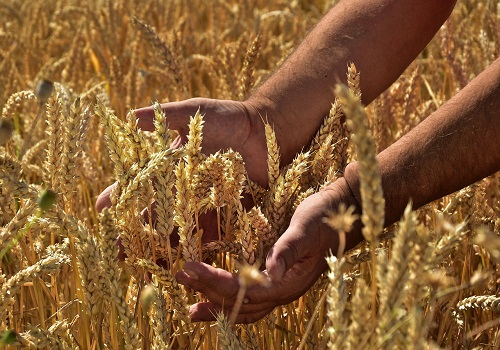
India’s wheat procurement for the 2026-27 marketing season has exceeded the revised government target, reaching 34.99 million tonnes as of May 31, up 17% from a year ago. The increase was supported by record wheat production estimated at 120.66 million tonnes. Higher procurement in major producing states such as Madhya Pradesh, Haryana, Uttar Pradesh, and Rajasthan helped the government surpass its revised target of 34.5 million tonnes. As a result, wheat stocks in the Central Pool have risen well above buffer requirements, strengthening food security. However, over two-thirds of the procured wheat was accepted under relaxed quality norms.
Key Highlights
- India’s wheat procurement reached 34.99 million tonnes, exceeding the revised target.
- Procurement increased 17% compared to the same period last year.
- Record wheat production is estimated at 120.66 million tonnes in 2025-26.
- Central Pool wheat stocks rose to 51.3 million tonnes, well above buffer norms.
- More than 67% of procured wheat was accepted under relaxed quality specifications.
Wheat market sentiment remained under pressure as India’s government procurement surpassed expectations, reflecting ample domestic supplies following a record harvest. The Food Corporation of India (FCI) procured 34.99 million tonnes of wheat as of May 31, exceeding the revised procurement target of 34.5 million tonnes and registering a 17% increase over the 29.82 million tonnes purchased during the same period last year.
The stronger procurement was supported by a record wheat crop, with the Agriculture Ministry raising its production estimate to 120.66 million tonnes from an earlier estimate of 120.21 million tonnes. The latest projection is 2.3% higher than the previous year’s output of 117.94 million tonnes, despite localized crop damage caused by unseasonal rains and hailstorms in several regions.
Higher purchases across major wheat-producing states played a key role in achieving the target. Madhya Pradesh recorded the sharpest increase, with procurement rising 34% year-on-year to 10.44 million tonnes, exceeding the revised target of 10 million tonnes. Haryana procurement reached 8.12 million tonnes against a target of 7.2 million tonnes, while Punjab contributed 12.16 million tonnes. Procurement also improved significantly in Uttar Pradesh, Rajasthan, and Bihar following upward revisions in purchase targets.
The strong procurement has substantially strengthened government wheat reserves. According to the Department of Food and Public Distribution, wheat stocks in the Central Pool now stand at 51.3 million tonnes, significantly higher than the July 1 buffer norm requirement of 27.5 million tonnes.
However, quality concerns remain evident as more than 67% of the wheat procured this season was accepted under relaxed quality specifications, primarily due to lustre loss caused by adverse weather conditions in key producing regions.
Record wheat production and higher government procurement have significantly boosted India’s foodgrain reserves, ensuring comfortable buffer stocks and strengthening domestic food security despite weather-related quality concerns.
Above views are of the author and not of the website kindly read disclaimer