India central bank to stand pat as trade deal reduces urgency on rate cuts
India's central bank is expected to keep policy rates unchanged on Friday, while focusing on improving the pass-through of the previous year's rate cuts, with a U.S.–India trade deal alleviating the need for more immediate support to the economy.
A large majority of economists polled by Reuters before the deal was announced on Monday - 59 of 70 - had expected a status quo in rates, but a minority had called for another cut as inflation remained low and U.S. tariffs threatened to disrupt India's strong run of economic growth.
The Reserve Bank of India (RBI) has already cut rates by 125 basis points since last February, bringing the policy repo rate down to 5.25%.
"The U.S.-India trade deal further bolsters the case for the RBI keeping rates unchanged this week," Dhiraj Nim, an economist at ANZ Bank, said.
India's growth is running near its potential while inflation is expected to move back towards the central bank's target, underpinning the case for a policy pause, he said.
India's GDP growth is expected to hit 7.4% in the current financial year and the government's economic adviser has forecast growth at 6.8-7.2% for next year.
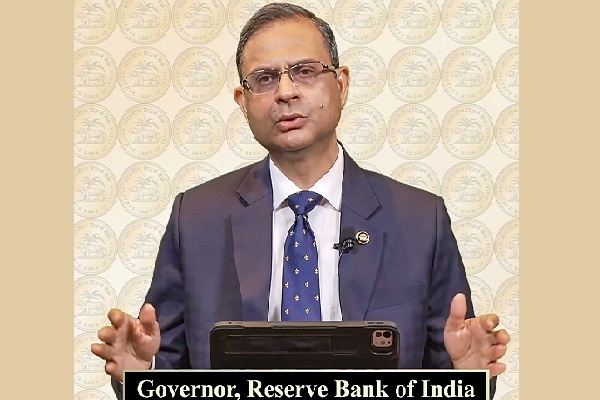
The Indian economy is in a "Goldilocks phase", Reserve Bank of India Governor Sanjay Malhotra said at the last policy meeting in December. It had forecast growth for the fiscal year ending March 31 at 7.3% and CPI inflation at 2%.
IMPROVING TRANSMISSION OF RATE CUTS
While the economy has been strong, the central bank has had to intervene across forex and bond markets amid large foreign outflows from the Indian equity markets up until the trade deal was announced.
The RBI sold $30 billion from its foreign exchange reserves between September and November - according to the latest data available - in turn withdrawing rupee liquidity and adding to pain for the bond markets already under pressure from record government borrowings.
The benchmark 10-year yield has barely fallen over the past year, despite the large rate cuts, keeping funding costs high and limiting the economic benefits of easier monetary policy for borrowers.
The benchmark 10-year yield acts as a signal for pricing of borrowings for banks and corporates.
"The challenge now is to ensure that transmission of previous rate cuts is not hampered, while the central bank remains on an extended pause," Kaushik Das, chief economist - India, Malaysia, and South Asia at Deutsche Bank, said in a note.
Analysts expect the central bank to step up open market bond purchases by at least 1 trillion rupees ($10.92 billion) to support liquidity and reduce strains in the bond market.
The urgency for RBI support for the bond market has increased following the higher-than-expected gross borrowing programme for the next fiscal year.
"Higher market borrowing numbers mean concerns around bond supply will remain a challenge for policy transmission," economists at Nomura said in a note.