How Lifestyle Affects Longevity

Longevity is not determined by genetics alone. While genes do play a role, research consistently shows that lifestyle choices have a far greater impact on how long—and how well—we live. From diet and sleep to stress management and social connections, everyday habits directly shape biological aging and overall health outcomes.
Diet: The Foundation of Long Life
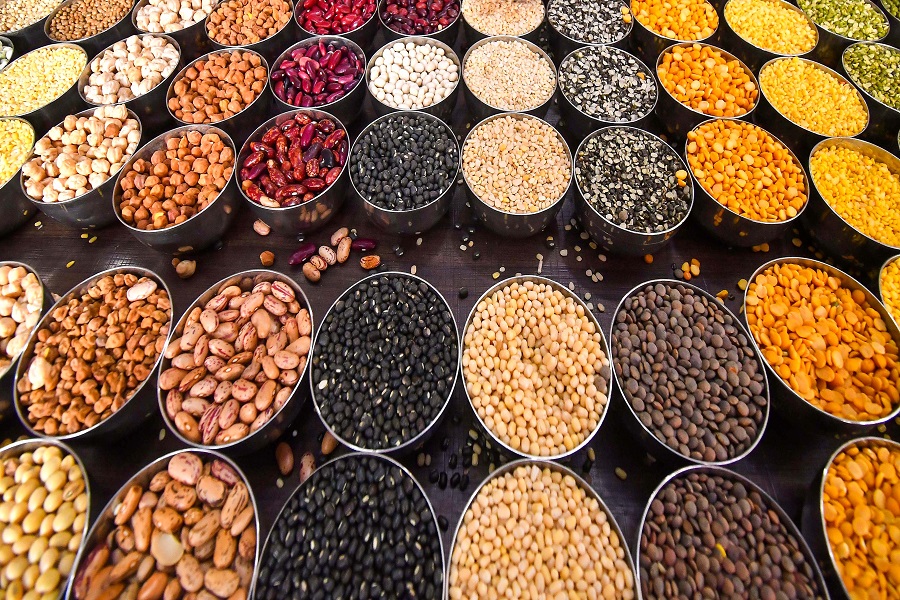
What we eat is one of the strongest predictors of longevity. Diets rich in whole foods, fruits, vegetables, healthy fats, and lean proteins are linked to lower risks of chronic diseases such as heart disease, diabetes, and cancer.
Populations in “Blue Zones”—regions known for unusually high life expectancy—often follow plant-forward diets with minimal processed food. These eating patterns reduce inflammation, support heart health, and improve metabolic function.
Physical Activity: Keeping the Body Young
Regular movement is essential for maintaining muscle mass, cardiovascular health, and joint flexibility. Exercise also improves brain health by increasing blood flow and reducing cognitive decline risk.
You don’t need extreme workouts to gain benefits. Even moderate activities like walking, cycling, or yoga significantly improve lifespan and quality of life when practiced consistently.
Sleep: The Body’s Repair System
Sleep is one of the most underestimated factors in longevity. During deep sleep, the body repairs cells, balances hormones, and strengthens the immune system.
Chronic sleep deprivation is linked to higher risks of obesity, heart disease, depression, and reduced life expectancy. A consistent 7–9 hours of quality sleep is considered optimal for long-term health.
Stress Management: Protecting the Mind and Body
Chronic stress accelerates aging by increasing inflammation and weakening the immune system. Over time, it can contribute to high blood pressure, anxiety disorders, and heart disease.
Practices such as meditation, deep breathing, journaling, and spending time in nature help regulate stress hormones and promote emotional stability.
Social Connections: The Hidden Longevity Factor
Strong relationships are one of the most powerful predictors of long life. People with close social bonds tend to live longer and experience better mental and physical health.
Loneliness, on the other hand, has been linked to increased mortality risk, comparable to the effects of smoking or obesity. Community, friendships, and family support all play a protective role.
Avoiding Harmful Habits
Certain lifestyle behaviors significantly reduce lifespan. Smoking, excessive alcohol consumption, poor diet, and sedentary behavior all contribute to early aging and disease.
Reducing or eliminating these habits can dramatically improve both lifespan and healthspan—the number of years lived in good health.
Mental Outlook and Purpose
A sense of purpose in life is strongly associated with longevity. People who feel their lives have meaning tend to adopt healthier behaviors and cope better with stress.
Positive mindset, optimism, and emotional resilience can influence biological aging processes and improve overall well-being.
Conclusion
Lifestyle choices shape longevity more than most people realize. While genetics set the baseline, daily habits determine the outcome. A balanced diet, regular exercise, quality sleep, strong relationships, and effective stress management collectively create the foundation for a longer, healthier life.
Ultimately, longevity is not just about living more years—it’s about living those years with vitality, purpose, and well-being.