Simple Habits for a Happier Life: Small Changes That Can Make a Big Difference

Happiness does not always come from major achievements or dramatic life changes. Often, it is built through small habits that improve our everyday routine. From getting enough sleep to spending time with people we care about, simple lifestyle changes can have a meaningful impact on our mood, productivity and overall well-being.
Here are some simple habits that can help create a happier and more balanced life.
1. Start Your Day Without Your Phone
Checking notifications immediately after waking up can make the day feel rushed. Instead, give yourself a few quiet minutes before reaching for your phone.
Use this time to stretch, drink water, plan your day or simply enjoy a peaceful start.
2. Get Enough Sleep
Good sleep is one of the foundations of a healthy lifestyle. A consistent sleep schedule can help you feel more energetic and focused during the day.
Try going to bed and waking up around the same time each day and create a relaxing nighttime routine.
3. Move Your Body Every Day
Exercise does not always have to mean spending hours at the gym. Walking, stretching, cycling, dancing or playing a sport can all help you stay active.
Even a short daily walk can provide a useful break from work and screens.
4. Drink Enough Water
Staying hydrated is a simple habit that is easy to overlook during a busy day. Keep a water bottle nearby and make hydration part of your regular routine.
Small reminders throughout the day can make it easier to maintain the habit.
5. Spend Time With People You Care About
Strong relationships can make everyday life more meaningful. Make time for family, friends or people whose company you genuinely enjoy.
A simple conversation, meal together or short phone call can strengthen social connections.
6. Practice Gratitude
Taking a moment to appreciate the good things in your life can help shift attention away from constant negativity.
You can write down three things you are grateful for each day. They can be as simple as a good meal, supportive friends or a peaceful evening.
7. Take Regular Breaks From Screens
Modern life involves spending considerable time on smartphones, computers and other devices. Constant screen exposure can make it difficult to properly switch off.
Take short breaks during the day and spend some time away from digital devices.
8. Keep Your Surroundings Organized
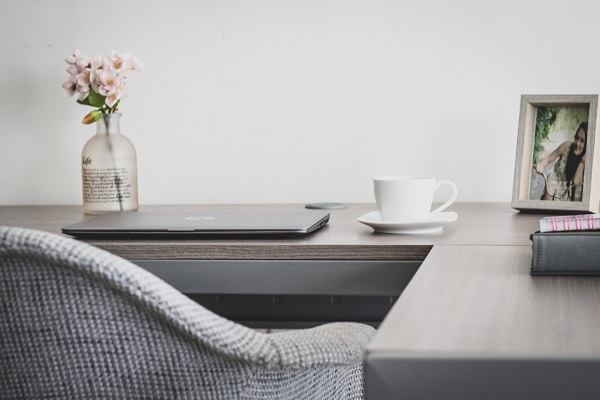
A cluttered environment can make everyday tasks feel more stressful. Keeping your room, workspace or home reasonably organized can create a calmer atmosphere.
You do not need to completely reorganize everything at once. Start with a small area and build the habit gradually.
9. Make Time for Hobbies
Hobbies give you an opportunity to enjoy something without focusing on work or responsibilities.
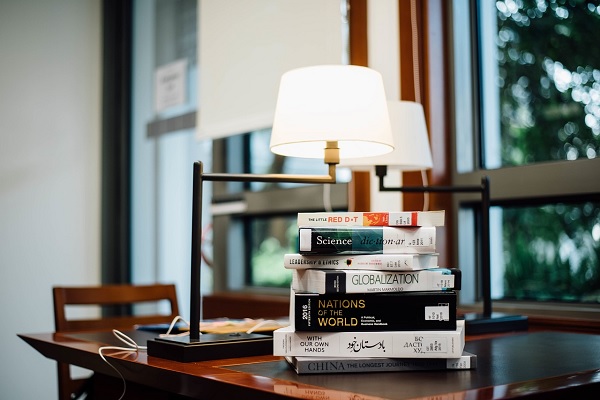
Reading, photography, music, cooking, gaming, gardening or learning a new skill can provide a refreshing break from routine.
10. Spend Some Time Outdoors
Fresh air and a change of surroundings can help break the monotony of a busy routine.
A morning walk, evening stroll or weekend visit to a park can provide valuable time away from screens and indoor environments.
## 11. Stop Comparing Your Life With Others
Social media often shows carefully selected moments rather than the complete reality of someone's life.
Constant comparison can create unnecessary pressure. Focus instead on your own progress, goals and experiences.
## 12. Learn to Say No
Trying to accept every request can leave you overwhelmed. Learning to politely say no when necessary can help protect your time and energy.
Setting healthy boundaries allows you to focus on the things that genuinely matter.
## 13. Celebrate Small Achievements
You do not have to wait for a major milestone to feel proud of yourself.
Completing an important task, maintaining a good habit or making progress toward a personal goal is worth acknowledging.
## 14. Spend Less Time Overthinking
Thinking about every possible outcome can make simple situations feel complicated. When something is within your control, focus on taking the next practical step.
For things outside your control, learning to let go can create more mental space.
## 15. Create a Simple Daily Routine
A realistic routine can provide structure without making life feel restrictive.
Include time for work, exercise, meals, relaxation, hobbies and sleep. The goal is not to create a perfect schedule but one that you can consistently follow.
## 16. Do Something Kind
Small acts of kindness can make both the giver and receiver feel good. Help someone with a task, compliment a colleague or check in on a friend.
Kindness does not have to be expensive or complicated.
## 17. Spend Money on Experiences, Not Just Things
Material purchases can provide temporary excitement, while meaningful experiences can create lasting memories.
Travel, hobbies, meals with friends and time spent with family can add value to everyday life.
18. Focus on What You Can Control
Not everything in life can be changed. Instead of spending excessive energy worrying about things outside your control, focus on your actions, choices and responses.
This simple shift can make everyday challenges easier to manage.
19. Make Time for Yourself
A busy schedule can leave very little personal time. Even 15–30 minutes of quiet time can help you reset.
Read a book, listen to music, take a walk or simply sit without distractions.
## 20. Build Habits Slowly
Trying to change everything at once can become overwhelming. Choose one or two habits and practice them consistently before adding more.
Small improvements repeated over time can have a much bigger impact than sudden but short-lived changes.
Conclusion
A happier life does not necessarily require a complete lifestyle transformation. Simple actions such as sleeping well, staying active, spending time with loved ones, reducing screen time and appreciating small moments can gradually improve everyday life.
The key is consistency. Instead of trying to become a completely different person overnight, focus on making small positive changes that you can maintain for the long term.