Health Tips: Do You Also Drink Carrot and Beetroot Juice? Know the Precautions Before Consuming It
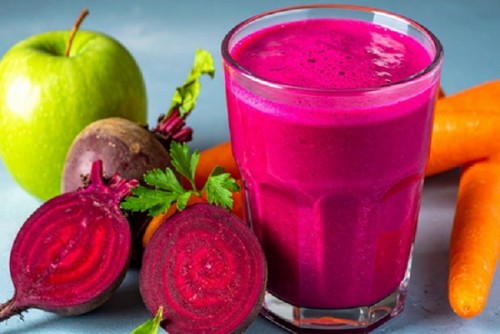
Carrot and beetroot juice has become a popular health drink among people who want to maintain a healthy lifestyle. Rich in vitamins, minerals, and antioxidants, this vibrant juice is often consumed for better immunity, improved skin health, and increased energy levels. While it offers many health benefits, it is important to understand that consuming it in excess or without proper precautions may lead to certain side effects. Knowing how and when to drink carrot and beetroot juice can help you enjoy its benefits safely.
Nutritional Benefits of Carrot and Beetroot Juice
Carrots are rich in beta-carotene, vitamin A, and antioxidants that help support eye health, boost immunity, and promote glowing skin. Beetroot, on the other hand, contains iron, folate, potassium, and natural nitrates that help improve blood circulation and support heart health. When combined, these two vegetables create a nutrient-rich drink that can enhance overall well-being.
Regular consumption of carrot and beetroot juice may help improve digestion, increase hemoglobin levels, and support detoxification in the body. It is also widely consumed by people looking to maintain healthy blood pressure and improve stamina.
Precautions Before Drinking Carrot and Beetroot Juice
Although the juice is highly nutritious, certain precautions should be followed to avoid potential health issues.
1. Avoid Drinking in Excess
Consuming large quantities of carrot and beetroot juice may cause digestive discomfort. Too much beetroot can sometimes lead to stomach upset or bloating. Drinking moderate amounts, such as one small glass a day, is usually sufficient to gain the benefits.
2. Be Careful if You Have Low Blood Pressure
Beetroot contains natural nitrates that may help lower blood pressure. While this can be beneficial for people with high blood pressure, individuals with already low blood pressure should consume it carefully, as it may cause dizziness or weakness.
3. Monitor Blood Sugar Levels
Carrots and beetroot naturally contain sugars. People with diabetes or those monitoring their blood sugar levels should limit their intake or consult a healthcare professional before adding this juice regularly to their diet.
4. Possible Change in Urine or Stool Color
Beetroot may cause a temporary reddish or pinkish color in urine or stool. This condition, known as beeturia, is generally harmless but may cause concern if someone is unaware of it.
5. Always Wash Vegetables Properly
Since carrots and beetroot grow underground, they may carry soil, bacteria, or pesticides. Washing them thoroughly and peeling them before juicing helps ensure hygiene and safety.
6. Avoid Drinking on an Empty Stomach if Sensitive
Some people may experience acidity or stomach discomfort when drinking beetroot juice on an empty stomach. In such cases, it is better to consume it after a light meal.
Best Way to Consume Carrot and Beetroot Juice
For better nutrition and taste, you can combine carrot and beetroot with ingredients such as ginger, lemon, or apple. Drinking freshly prepared juice is recommended because it retains more nutrients compared to juice stored for long periods.
Conclusion
Carrot and beetroot juice is a powerful health drink that offers many nutritional benefits, including improved immunity, better blood circulation, and enhanced skin health. However, like any healthy food, it should be consumed in moderation and with proper precautions. By understanding the right way to drink this juice, you can enjoy its benefits while maintaining overall health and balance.