Gas Shortage Hits India Sugar, Edible Oil Demand by Amit Gupta - Kedia Advisory
India is witnessing a decline in sugar and edible oil consumption due to a severe commercial LPG shortage impacting restaurants and roadside eateries. Reduced operations during peak summer and wedding season have weakened demand for key food commodities. According to the Solvent Extractors' Association of India, edible oil imports fell nearly 9% in March. The crisis, driven by supply cuts to industries to protect household consumption, may also reduce India’s edible oil imports from major global suppliers. The situation highlights how energy shortages are directly affecting food demand and trade dynamics.
Key Highlights
* LPG shortage forces restaurants to cut operations.
* Sugar and edible oil demand declines during peak season.
* Edible oil imports fall nearly 9% in March.
* India prioritizes household gas supply over industries.
* Global edible oil trade may see reduced Indian demand.
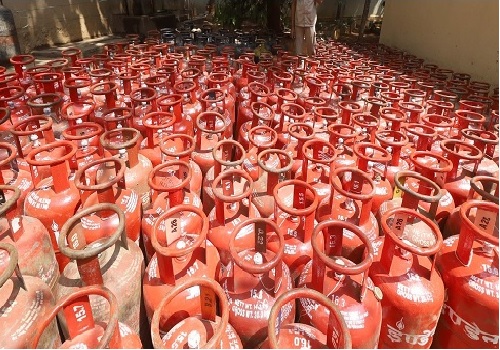
India’s sugar and edible oil demand has weakened as a severe shortage of commercial LPG cylinders disrupts operations across restaurants and roadside eateries. The supply crunch has forced many food businesses to scale back or temporarily shut, particularly during the peak summer and wedding season when demand typically rises.
The decline in consumption is already visible in trade data. According to the Solvent Extractors' Association of India, India’s edible oil imports dropped nearly 9% in March to around 1.2 million tonnes. The reduced demand is primarily attributed to lower usage by food vendors, who rely heavily on cooking gas for preparing fried items such as snacks and sweets.
The shortage stems from broader supply constraints, with India cutting LPG supplies to commercial users in order to prioritise household consumption. As one of the world’s largest importers of liquefied petroleum gas, India depends on imports for about 60% of its total demand, with a significant share sourced from the Middle East. This has made the country vulnerable to global supply disruptions.
The impact extends beyond edible oils to sugar consumption as well. With tea stalls, sweet shops, and eateries operating at reduced capacity, demand for sugar—especially during a season marked by weddings and increased beverage consumption—has also softened.
Lower domestic consumption could have broader implications for global agricultural trade, potentially reducing India’s imports of palm oil from Southeast Asia and soft oils from South America and the Black Sea region.
Finally, the LPG shortage is dampening food consumption and disrupting demand cycles, with ripple effects on imports and global trade, highlighting the critical link between energy availability and agri-commodity demand.
Above views are of the author and not of the website kindly read disclaimer