Exploring the Role of Women in Society and Their Influence in Building Strong Families and Nations

Women play a fundamental role in shaping society, contributing to its social, economic, cultural, and political development. Over time, the role of women has evolved significantly—from being confined to household responsibilities to actively participating in every field of modern life. Today, women are not only caretakers of families but also leaders, innovators, entrepreneurs, and change-makers.
Women as the Foundation of Family and Values
One of the most important roles of women in society begins at home. Women often act as the primary caregivers, shaping the emotional, moral, and cultural foundation of the family. They teach values such as respect, discipline, kindness, and responsibility to children, which later reflect in society as a whole.
A strong family often leads to a strong society, and women play a central role in maintaining that balance.
Women in the Workforce and Economy
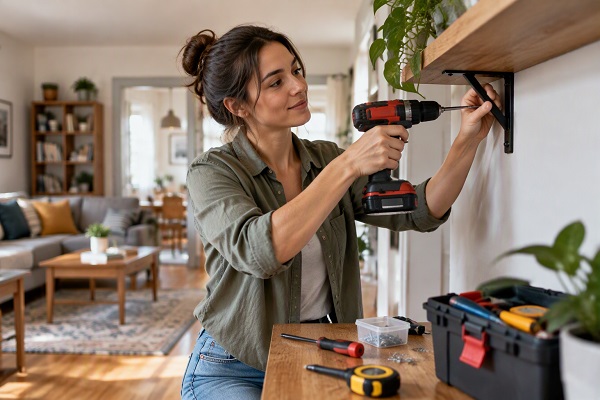
Today, women contribute significantly to the global economy. They work in diverse sectors such as education, healthcare, technology, business, politics, and defense.
Their participation has led to:
1. Increased economic growth
2. Greater workplace diversity
3. Improved innovation and creativity
4. Stronger organizational performance
Women entrepreneurs are also rising rapidly, building startups and businesses that generate employment and economic development.
Women and Education
Education has empowered women to break traditional barriers and explore new opportunities. Educated women are more likely to:
1. Participate in decision-making
2. Support better family health and education
3. Achieve financial independence
4. Contribute to community development
Educating girls is one of the most powerful ways to uplift society as a whole.
Women in Leadership and Politics
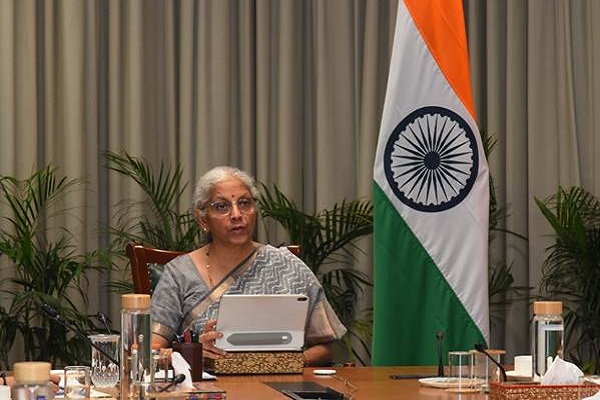
Women are increasingly taking leadership roles in politics, governance, and corporate sectors. Their presence brings:
1. Better representation of society
2. Balanced decision-making
3. Inclusive policies
4. Focus on social welfare issues
Women leaders often advocate for education, healthcare, child welfare, and gender equality.
Women as Agents of Social Change
Women have historically played key roles in social reform movements. Even today, they actively participate in campaigns related to:
1. Gender equality
2. Environmental protection
3. Human rights
4. Anti-violence movements
Their efforts continue to reshape societal norms and challenge outdated traditions.
Women and Emotional Strength in Society
Women often act as emotional anchors in society. Their empathy, communication skills, and emotional intelligence help in resolving conflicts and building stronger relationships within families and communities.
Challenges Faced by Women
Despite progress, women still face several challenges such as:
1. Gender inequality
2. Workplace discrimination
3. Safety concerns
4. Lack of equal opportunities in some regions
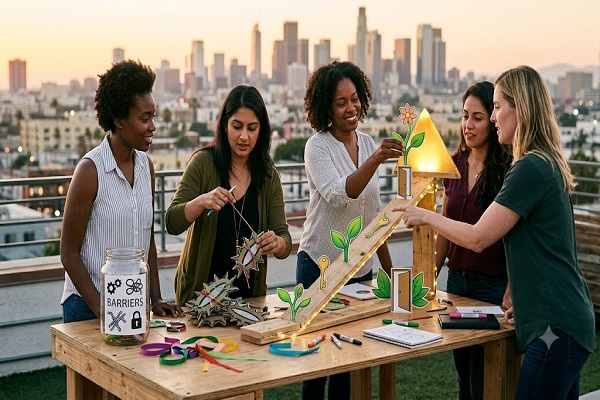
Addressing these challenges is essential for building a fair and balanced society.
Conclusion
The role of women in society is diverse, powerful, and essential. From nurturing families to leading nations, women contribute at every level of development. A society that empowers women is a society that grows faster, becomes more inclusive, and achieves long-term progress.
Empowering women is not just a goal—it is the foundation of a strong and prosperous future.