Exploring the Best Solo Meditation Retreats for Peace and Mindfulness
Solo Meditation Retreats: A Peaceful Way to Reconnect With Yourself
Solo meditation retreats are becoming an increasingly popular form of wellness travel for people looking to slow down, disconnect from everyday distractions and spend meaningful time with themselves. In 2026, wellness travel is increasingly moving toward experiences centered on deep rest, nervous-system resets, privacy, mindfulness and personalized wellness journeys.
Unlike conventional holidays that focus mainly on sightseeing and entertainment, a solo meditation retreat gives travelers an opportunity to create a slower and more intentional travel experience. A retreat may include meditation, yoga, breathwork, nature walks, mindful eating, journaling, silence and relaxation.
What Is a Solo Meditation Retreat?
A solo meditation retreat is a trip where an individual travels alone to a destination specifically to practice meditation and mindfulness.
Retreats can range from a quiet weekend in a countryside center to a multi-week stay at a dedicated meditation or wellness retreat. Some programs are highly structured, while others allow travelers to create their own daily schedule.
Typical activities may include:
Guided meditation
Silent meditation
Mindfulness sessions
Breathing exercises
Yoga
Nature walks
Journaling
Mindful meals
Digital detox
Sound-based relaxation
Reading
Personal reflection
The goal is not simply to escape from daily life, but to create space for rest, awareness and personal reflection.
Why Solo Meditation Retreats Are Trending in 2026
The wellness tourism industry is increasingly emphasizing experiences that support rest and mental wellbeing. The Global Wellness Institute's 2026 trends include "The Nervous System Reset," "The Luxury of Privacy," "In Search of Deep Rest" and "AI-Designed Wellness Travel."
Solo travel is also becoming closely connected with wellness. Current travel trends highlight growing interest in solo wellness breaks, meditation retreats, nature immersion and spiritual experiences.
This makes meditation retreats particularly suitable for travelers who want privacy without completely isolating themselves from other people.
Benefits of Traveling Alone for Meditation
Traveling alone can provide greater control over the pace and structure of a retreat.
A solo traveler can decide when to:
Meditate
Sleep
Walk
Read
Journal
Explore the surrounding area
Participate in group sessions
Spend time in silence
There is also less pressure to follow another person's schedule. This can make the experience feel more personal and intentional.
Popular Types of Solo Meditation Retreats
Silent Meditation Retreats
Silent retreats reduce unnecessary conversation and encourage participants to focus inward. These experiences can involve scheduled meditation, mindful walking, reading and quiet meals.
Some travelers choose silent retreats specifically because they want a break from constant conversations, notifications and digital communication.
Nature Meditation Retreats
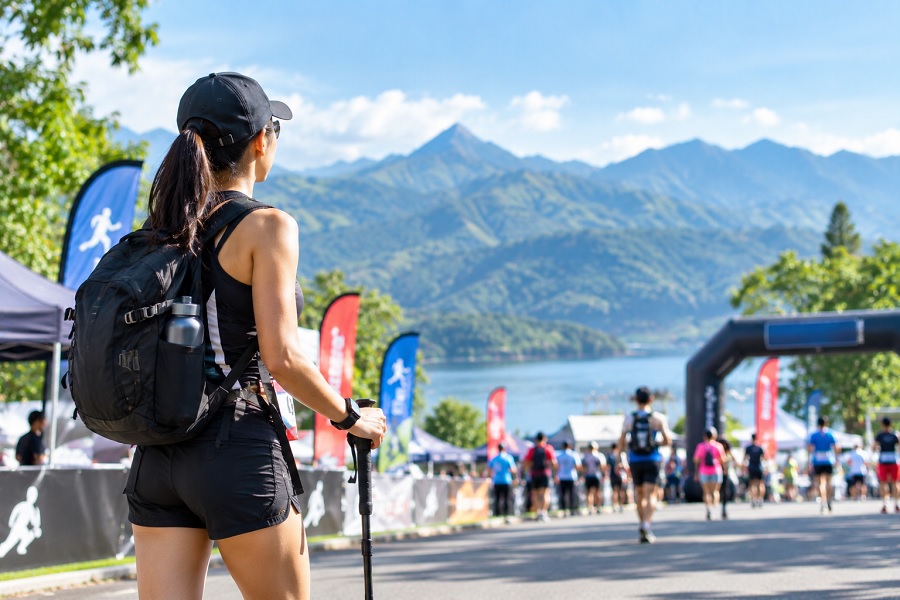
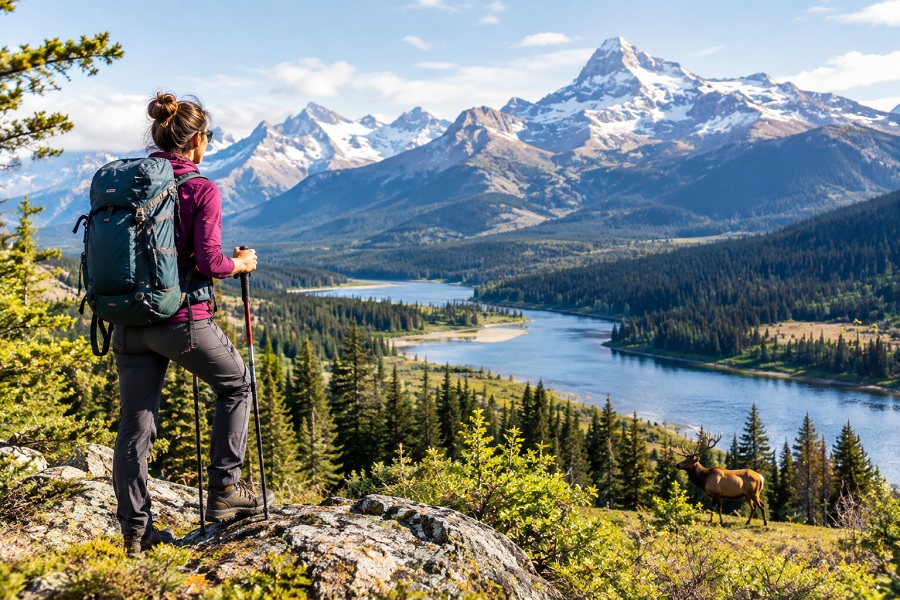
Nature-based retreats combine meditation with forests, mountains, beaches, lakes or gardens.
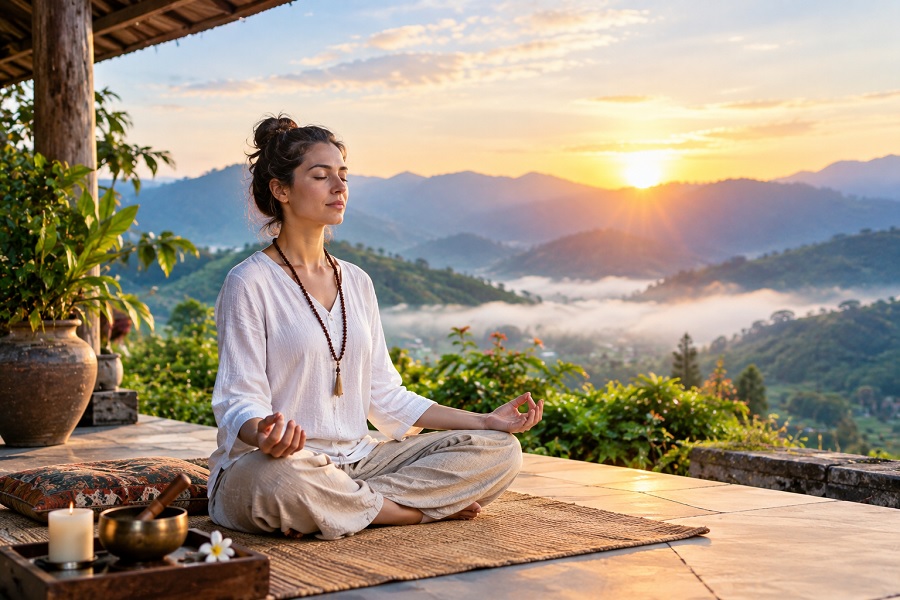
A morning meditation surrounded by trees or an evening mindfulness session overlooking a mountain landscape can add a strong sense of connection with nature.
Yoga and Meditation Retreats
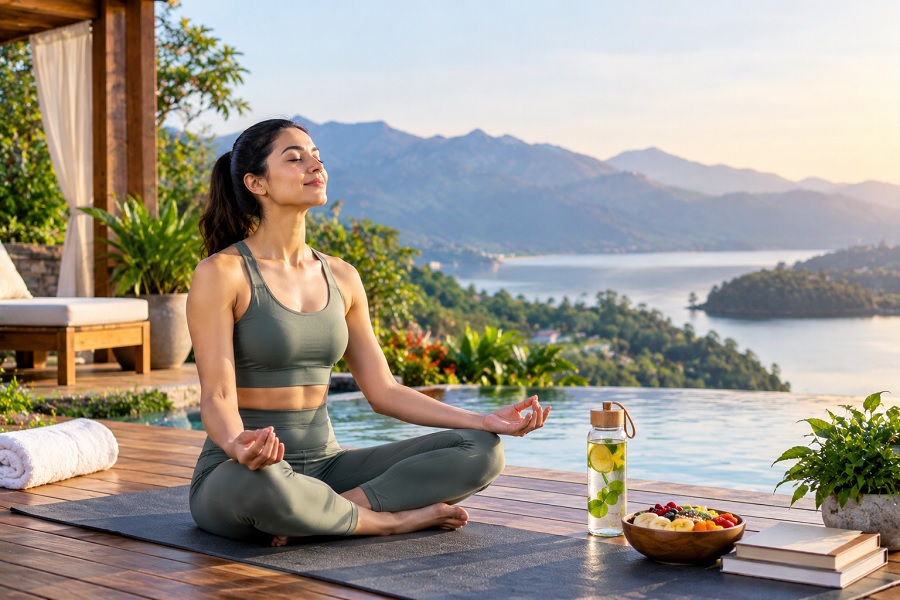
Yoga and meditation are often combined in wellness travel programs. A typical day may include morning yoga, meditation, healthy meals, nature activities and evening relaxation.
Digital Detox Retreats
Digital detox retreats encourage guests to reduce or completely stop using smartphones, social media and other digital devices for a specific period.
These retreats can be particularly appealing to travelers who want to replace constant screen time with reading, meditation, walking and personal reflection.
Spiritual Meditation Retreats
Some retreats incorporate spiritual traditions, cultural practices or contemplative activities. Travelers should research the philosophy and practices of a retreat beforehand to make sure they match their personal interests and expectations.
Best Destinations for Solo Meditation Retreats
Meditation retreats can be found in many parts of the world.
India
India has a long association with meditation, yoga and spiritual tourism. Destinations such as Rishikesh, Dharamshala, Kerala and parts of Maharashtra offer different styles of wellness and retreat experiences.
Thailand
Thailand combines tropical landscapes, Buddhist traditions and wellness resorts. Travelers can find meditation-focused experiences ranging from traditional retreat centers to modern wellness properties.
Bali, Indonesia
Bali is well known for combining meditation, yoga, nature and wellness tourism. Forest environments, rice terraces and coastal settings provide diverse environments for retreat experiences.
Japan
Japan offers a distinctive combination of mindfulness, traditional culture, temples, nature and wellness experiences. The country's broader wellness appeal includes practices connected with meditation and onsen culture.
Bhutan
Bhutan combines spirituality, mountains, nature and a strong cultural focus on wellbeing. The Global Wellness Institute identifies Bhutan as an important wellness destination because of its emphasis on spirituality, nature, mindfulness and Gross National Happiness.
Travelers can adjust the schedule depending on the retreat program and their personal needs.
Solo Meditation Retreats and Nature
Nature is becoming an increasingly important part of wellness travel. Current wellness trends include nature-based experiences, cool-climate travel and deeper rest as travelers look for environments that encourage relaxation and recovery.
A meditation retreat in a natural environment can therefore offer more than meditation itself.
Activities may include:
Forest walks
Sunrise viewing
Garden meditation
Beach walks
Mountain observation
Birdwatching
Stargazing
Waterfall visits
Outdoor journaling
Food at Meditation Retreats
Food can be an important part of the retreat experience.
Many wellness-oriented retreats offer simple meals featuring vegetables, fruits, grains, legumes and locally sourced ingredients. Some may provide vegetarian, vegan or other dietary options.
Mindful eating can also become part of the experience, encouraging travelers to eat slowly and pay attention to flavors, textures and hunger cues.
Technology and Solo Retreats
Technology can be both useful and disruptive during a meditation retreat.
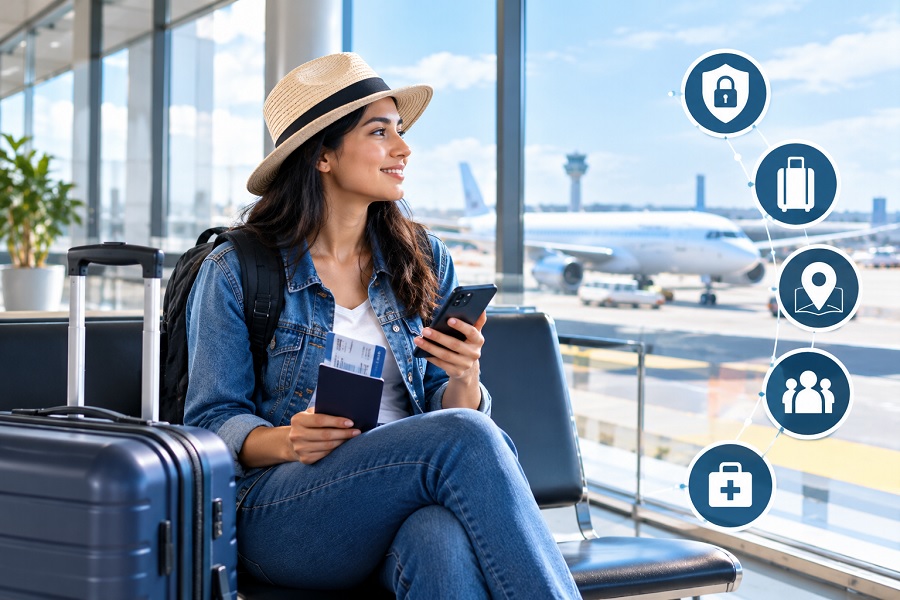
Travelers may use their phones for:
Navigation
Emergency communication
Travel arrangements
Digital payments
Important bookings
However, retreat centers may encourage guests to limit social media, entertainment and unnecessary notifications.
The rise of AI-enabled wellness planning is also becoming a notable trend in 2026, with the Global Wellness Institute identifying AI-designed wellness travel as one of its emerging trends.
Meditation Retreats for Beginners
Solo meditation retreats are not only for experienced practitioners.
Beginners can look for programs offering:
Introductory meditation sessions
Guided classes
Short retreat durations
Flexible schedules
Beginner-friendly instructions
Comfortable accommodation
Access to experienced instructors
A short two- or three-day retreat may be a more comfortable starting point than immediately choosing a long silent retreat.
Solo Retreats for Experienced Travelers
Experienced travelers may prefer longer retreats or destinations with more specialized programs.
Options can include:
Extended silent retreats
Advanced meditation programs
Nature immersion
Monastic experiences
Digital detox programs
Yoga and meditation combinations
Mindfulness teacher-led retreats
The important factor is selecting a program that matches the traveler's experience and expectations.
Safety and Planning Tips
Before booking a solo meditation retreat, travelers should research the retreat provider carefully.
Important considerations include:
Check the retreat's reputation and reviews.
Understand the daily schedule.
Check accommodation facilities.
Confirm what meals are provided.
Understand cancellation policies.
Check transportation options.
Research the surrounding area.
Keep emergency contact information available.
Tell a trusted person about your itinerary.
Choose a retreat with appropriate support for your experience level.
If a retreat makes health-related claims, travelers should distinguish general wellness services from professional medical or mental-health care. Wellness tourism and medical tourism are different categories.
Sustainable Solo Meditation Retreats
Sustainability is another important consideration.
Travelers can choose retreats that:
Use local food
Reduce plastic waste
Conserve water
Support local communities
Employ local staff
Protect surrounding nature
Use renewable energy where practical
Encourage responsible visitor behavior
Supporting locally owned accommodation and community-based tourism can also help ensure that tourism benefits the destination.
The Future of Solo Meditation Retreats
The future of solo meditation tourism is likely to focus on privacy, personalization, nature, deep rest and meaningful experiences.
The Global Wellness Institute's 2026 trends suggest that travelers are increasingly looking for restorative experiences rather than simply adding more activities to their itineraries.
This could lead to more personalized retreat programs, technology-supported wellness planning, quiet accommodations, nature-based meditation spaces and shorter retreats designed around busy travelers.
Conclusion
Solo Meditation Retreats offer a different approach to travel. Instead of rushing between attractions, travelers can slow down, spend time in nature, practice mindfulness and create a more intentional daily routine.
The growing interest in deep rest, privacy, nervous-system-focused wellness and solo wellness travel suggests that meditation retreats will remain an important part of the international wellness tourism landscape in 2026.