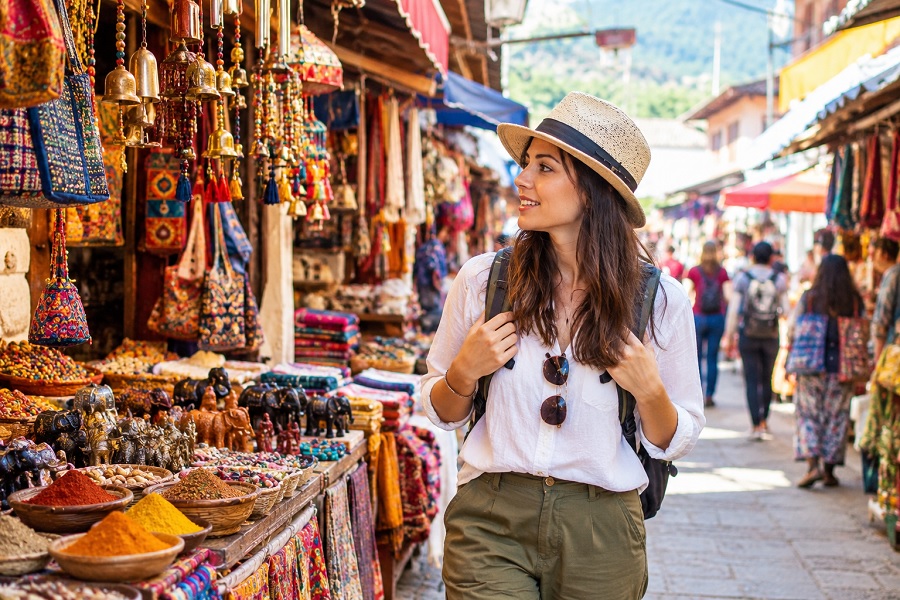
Discovering Traditional Crafts on Solo Village Tours
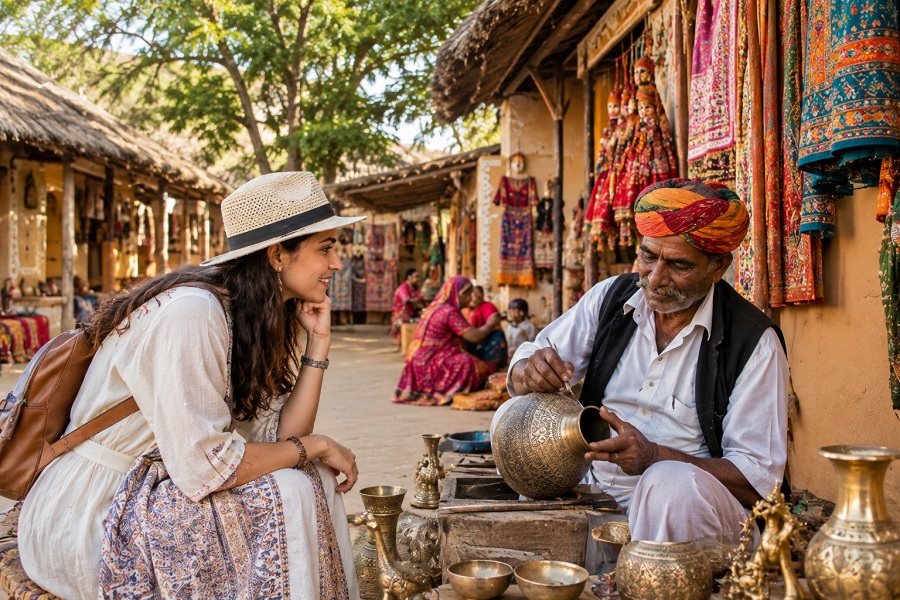
Solo Handicraft Village Tours: A Meaningful Journey into Traditional Craft and Culture
Introduction
Solo Handicraft Village Tours are becoming an appealing way for independent travellers to discover traditional craftsmanship, rural lifestyles, and living cultural heritage. Instead of simply visiting shops or museums, travellers can enter artisan communities, observe craftspeople at work, learn about traditional techniques, and understand the stories behind handmade products.
Craft villages provide an especially meaningful experience because the people who create the products often live and work within the same community. India's official Craft Handloom Village concept also brings craft production, tourism, exhibition, and sales together in one location, helping create livelihood opportunities for artisans and making the craft-making process accessible to visitors.
What Are Solo Handicraft Village Tours?
Solo Handicraft Village Tours are travel experiences designed for individuals who want to explore villages known for traditional arts, crafts, handloom, pottery, woodwork, metalwork, basketry, painting, embroidery, or other indigenous skills.
For solo travellers, these tours offer an opportunity to move at a comfortable pace and spend more time interacting with local artisans. Depending on the destination, visitors may be able to watch demonstrations, participate in workshops, visit artisan homes or studios, purchase handmade products directly, and learn about the cultural importance of different crafts.
India offers several examples of this approach. Diezephe Craft Village in Nagaland, for example, brings together artisans and weavers and allows visitors to observe and participate in activities such as weaving, pottery, and wood carving.
Why Solo Travellers Are Choosing Craft Villages
Solo travel naturally encourages deeper interaction with destinations. A handicraft village provides an environment where travellers can connect with local people rather than simply moving between conventional tourist attractions.
The experience can offer:
Direct interaction with local artisans
Traditional craft demonstrations
Hands-on workshops
Local cultural storytelling
Opportunities to buy authentic handmade products
Rural photography opportunities
Exposure to traditional lifestyles
A slower and more personal travel experience
Community-led tourism can also help rural communities generate income while preserving cultural practices. Maharashtra's heritage-village initiatives, for example, focus on connecting travellers with living traditions and local communities while creating sustainable opportunities for people who maintain those traditions.
Craft Experiences to Explore
1. Traditional Handloom Weaving
Solo travellers can observe how yarn becomes fabric through traditional looms and techniques. In some villages, artisans may explain weaving patterns, natural fibres, colours, and regional designs.
2. Pottery and Clay Craft
Pottery villages allow visitors to see how local clay is shaped into useful household products and decorative objects. Some workshops also provide opportunities to try the potter's wheel under an artisan's guidance.
3. Bamboo and Cane Craft
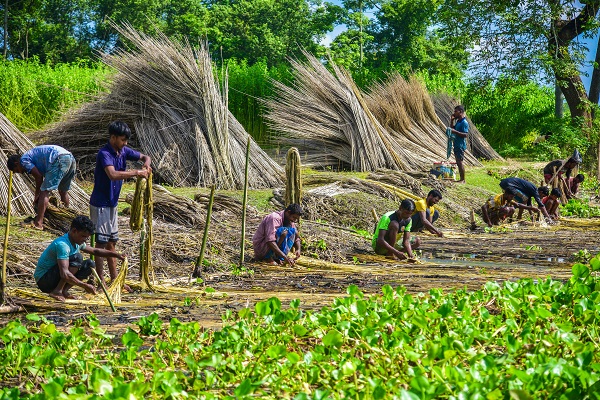
Bamboo and cane are important materials in many rural communities. Visitors may discover how artisans transform natural materials into baskets, furniture, home décor, and everyday products.
Kerala Tourism highlights bamboo craftsmanship and basket weaving among the traditional village experiences available through its responsible-tourism initiatives.
4. Traditional Painting
Village tours can introduce travellers to regional painting traditions and the cultural stories represented through colours, symbols, and patterns. In Maharashtra, Warli painting is among the living traditions being promoted through heritage-based tourism initiatives.
5. Embroidery and Textile Crafts
Embroidery tours can provide an intimate look at traditional stitching techniques, motifs, fabrics, and natural dyes. Travellers may also purchase handmade textiles directly from the people producing them.
6. Wood and Metal Craft
Some craft communities specialize in carving, metalwork, masks, toys, musical instruments, or decorative objects. Watching an artisan transform raw material into a finished product can become one of the highlights of a solo journey.
A More Authentic Way to Shop
One of the biggest advantages of a handicraft village tour is the opportunity to understand the product before purchasing it. Rather than buying a generic souvenir, travellers can learn who made it, what technique was used, what materials were involved, and what cultural meaning it carries.
Direct purchases from artisans or community-supported outlets can also help keep more tourism spending within the destination. India's craft-village initiatives have specifically linked tourism with craft promotion and sustainable livelihood opportunities for artisan communities.
Solo Travel and Cultural Connection
Travelling alone can make cultural interactions more spontaneous. Without having to follow a large group's schedule, a solo visitor can spend extra time talking with an artisan, attending a workshop, photographing a craft process with permission, or exploring nearby village streets.
The experience can be particularly valuable for travellers interested in cultural tourism, photography, design, textiles, architecture, history, and sustainable travel.
Responsible Travel Tips
Solo travellers should approach craft villages respectfully. Traditional knowledge and cultural practices are often deeply connected to community identity.
Important practices include:
Ask before photographing people or private workshops.
Purchase directly from artisans where possible.
Avoid aggressively bargaining over handmade products.
Respect religious and cultural spaces.
Follow local village guidelines.
Avoid touching unfinished artwork without permission.
Choose locally produced products rather than mass-produced imitations.
Carry reusable bags for purchases.
Support community-run workshops and experiences.
Learn the story behind the craft instead of treating it only as a souvenir.
Responsible tourism programmes in India increasingly emphasize community participation, cultural preservation, and sustainable local livelihoods.
Examples of Handicraft Village Experiences in India
India has a wide range of craft-focused destinations and initiatives. Diezephe Craft Village in Nagaland offers weaving, pottery, wood carving, craft displays, and interaction with local artisans.
Sargaalaya Arts and Crafts Village in Kerala provides visitors with opportunities to see traditional craftsmanship and learn about how handicrafts are produced. It was developed using a responsible-tourism model.
Maharashtra's heritage-village initiative in Palghar and Nashik highlights traditions including Warli painting and Bohada mask-making while encouraging travellers to engage with local communities.
Best Activities for Solo Travellers
A well-planned solo handicraft tour can include:
Artisan studio visits
Craft-making demonstrations
Pottery workshops
Handloom demonstrations
Painting sessions
Embroidery classes
Bamboo craft workshops
Village walks
Local food experiences
Traditional music and performances
Craft museums
Rural photography
Handmade-product shopping
Conversations with artisans
Cultural storytelling sessions
Best Time to Plan a Craft Village Tour
The best time depends on the destination and its climate. Travellers should check local weather, festival calendars, workshop schedules, and artisan availability before travelling.
Festival periods can be particularly interesting because villages may combine craft exhibitions with traditional performances, food, celebrations, and cultural activities. However, these periods can also be busier, so solo travellers should arrange accommodation and workshops in advance.
Why This Travel Trend Matters
Solo Handicraft Village Tours represent a shift from sightseeing toward experiential tourism. Travellers are increasingly interested in understanding how communities live, work, create, and preserve their cultural traditions.
For artisans, responsible tourism can provide additional income and greater visibility. For travellers, it creates an opportunity to take home not just a product but also knowledge about its origin and cultural significance.
Craft tourism can therefore create a connection between travel, culture, creativity, community, and sustainability.
Conclusion
Solo Handicraft Village Tours offer an enriching alternative to conventional sightseeing. They allow independent travellers to slow down, meet artisans, learn traditional skills, explore rural communities, and discover the cultural stories behind handmade products.
When approached responsibly, these journeys can benefit both visitors and host communities. A handmade textile, painting, basket, pottery piece, or carved object becomes more meaningful when the traveller understands the people, traditions, and skills behind it.
For solo travellers seeking authentic cultural experiences, handicraft villages provide a memorable way to explore India's living heritage while supporting the communities that keep traditional craftsmanship alive.