Discover the Best National Park Tourism Experiences Across the USA
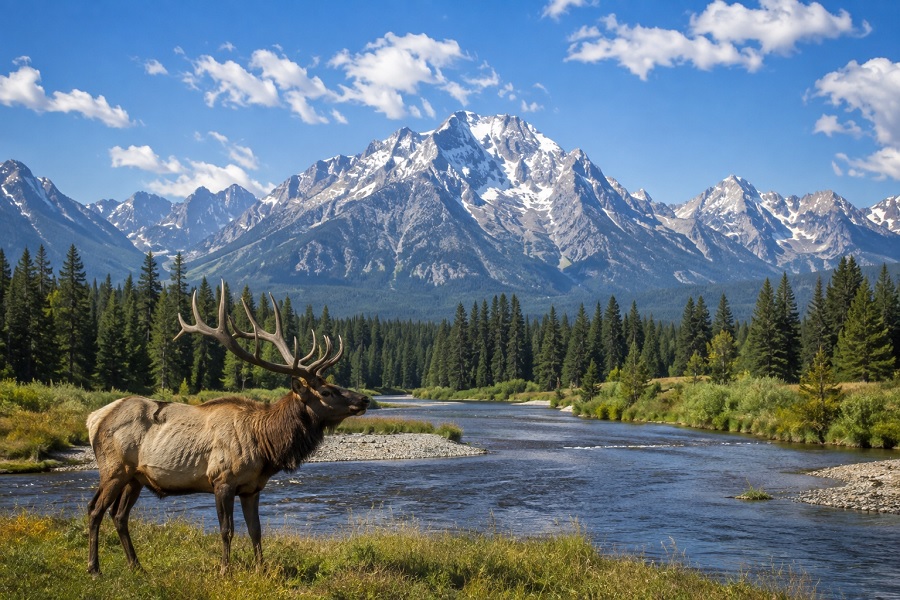
National Park Tourism in the USA: Exploring America’s Great Natural Landscapes
Introduction
National Park Tourism in the USA offers travelers an opportunity to experience some of the country's most spectacular landscapes, wildlife habitats, forests, mountains, deserts, rivers, coastlines, and historic sites. From the geothermal wonders of Yellowstone to the dramatic cliffs of Yosemite and the vast landscapes of the Grand Canyon, U.S. national parks provide diverse experiences for adventure seekers, families, photographers, nature lovers, and international travelers.
The popularity of national parks remains strong. According to the U.S. National Park Service (NPS), the National Park System recorded 323,014,305 recreation visits in 2025, along with more than 13 million overnight stays. Twenty-six parks recorded their highest visitation levels.
What Is National Park Tourism?
National Park Tourism refers to travel focused on exploring protected natural and cultural areas managed within the U.S. National Park System. Activities can include hiking, wildlife watching, camping, scenic driving, photography, boating, cycling, ranger-led programs, stargazing, and cultural exploration.
The National Park System includes hundreds of sites with different designations, including national parks, national monuments, national seashores, national historical parks, national recreation areas, national scenic trails, and other protected places.
Popular National Parks for Tourism
1. Great Smoky Mountains National Park
Great Smoky Mountains National Park is one of America's most visited national parks. In 2025, it recorded 11,527,939 recreation visits, making it the most visited site among units officially designated as national parks.
Visitors can enjoy forest trails, mountain scenery, waterfalls, wildlife viewing, scenic drives, and historic mountain communities.
2. Zion National Park
Zion National Park in Utah attracts travelers with its dramatic sandstone cliffs, narrow canyon landscapes, hiking trails, and scenic viewpoints. It recorded nearly 5 million recreation visits in 2025.
3. Yellowstone National Park
Yellowstone offers geothermal attractions, wildlife viewing, lakes, forests, waterfalls, and iconic features such as Old Faithful. The park welcomed 4,762,988 recreation visits in 2025, along with more than 1.2 million overnight stays.
4. Grand Canyon National Park
The Grand Canyon is one of the world's most recognizable natural landscapes. In 2025, it recorded 4,430,653 recreation visits. Visitors can explore viewpoints, hiking trails, river landscapes, and backcountry areas.
5. Yosemite National Park
Yosemite is famous for granite cliffs, waterfalls, giant sequoias, mountain landscapes, and scenic valleys. It is particularly popular among hikers, photographers, climbers, and families.
6. Rocky Mountain National Park
Located in Colorado, Rocky Mountain National Park combines alpine landscapes, mountain lakes, wildlife, and high-elevation trails. It recorded more than 4.17 million visits in 2025.
7. Acadia National Park
Acadia provides a combination of Atlantic coastline, forests, mountains, lakes, and scenic roads. It is particularly attractive for travelers looking for a mix of coastal tourism and outdoor recreation.
8. Grand Teton National Park
Grand Teton is known for dramatic mountain peaks, alpine lakes, wildlife, hiking trails, and spectacular sunrise and sunset views. It recorded about 3.8 million recreation visits in 2025.
Major National Park Tourism Experiences
Hiking and Trekking
Hiking is one of the most popular activities in American national parks. Travelers can choose from short family-friendly walks to challenging multi-day backcountry routes.
Wildlife Tourism
National parks provide opportunities to observe animals in natural environments. Depending on the destination, visitors may encounter bears, elk, bison, moose, deer, wolves, mountain goats, birds, and marine wildlife.
Wildlife viewing should always be conducted responsibly, with visitors maintaining safe distances and following park regulations.
Scenic Road Trips
Many parks offer scenic drives that make national park tourism accessible to travelers who may not want extensive hiking. Road trips can combine several parks and surrounding destinations into one vacation.
Camping and Overnight Tourism
Camping allows travelers to spend more time inside protected landscapes. The NPS reported more than 13 million total overnight stays across the National Park System in 2025, including tent camping, RV stays, backcountry overnight trips, and concessioner lodging.
Photography Tourism
Mountains, waterfalls, forests, deserts, coastlines, wildlife, night skies, and historic structures make U.S. national parks popular photography destinations.
Family Tourism
National parks can provide educational and recreational experiences for families. Children can participate in ranger programs, nature walks, junior ranger activities, wildlife observation, and outdoor learning.
Adventure Tourism
Adventure-focused travelers can find opportunities for climbing, kayaking, rafting, backpacking, cycling, skiing, horseback riding, and other outdoor activities depending on the park.
Best Seasons for National Park Tourism
Spring: A good season for waterfalls, wildflowers, and moderate temperatures in many regions.
Summer: Popular for hiking, camping, road trips, and family vacations, although major parks can become crowded.
Autumn: Excellent for fall foliage, photography, and cooler hiking conditions in many destinations.
Winter: Offers snow-covered scenery, winter photography, skiing opportunities in some areas, and fewer visitors at certain parks. However, seasonal road closures and severe weather can affect access.
Travelers should check current park conditions before departure because weather, wildfires, flooding, construction, and seasonal closures can change access.
Sustainable National Park Tourism
Responsible tourism is essential because large visitor numbers can place pressure on trails, wildlife habitats, roads, campgrounds, and other park resources.
Travelers can support sustainable tourism by:
Staying on designated trails
Carrying out all waste
Avoiding feeding wildlife
Maintaining safe distances from animals
Following camping regulations
Using designated parking areas
Respecting quiet zones
Conserving water
Avoiding damage to plants and historic sites
Following fire and seasonal restrictions
The NPS uses visitor statistics and other research to help manage visitor experiences while protecting natural and cultural resources.
Economic and Tourism Importance
National parks contribute significantly to travel activity in surrounding communities. Visitors require accommodation, restaurants, transportation, outdoor equipment, guided experiences, fuel, and other tourism services.
The geographic diversity of the National Park System also spreads tourism across different regions of the country. In 2025, the Southeast region recorded more than 72.4 million recreation visits, while the Pacific West recorded more than 62.1 million.
Tips for Planning a National Park Vacation
Research the park before traveling.
Check official NPS alerts and conditions.
Reserve accommodation or camping early for popular destinations.
Plan around seasonal weather.
Carry sufficient water and appropriate clothing.
Download maps when mobile connectivity may be limited.
Check whether permits or reservations are required.
Start popular hikes early to avoid peak crowds.
Follow wildlife safety rules.
Leave natural and historic sites exactly as you found them.
Future of National Park Tourism
National Park Tourism in the USA is expected to remain an important part of domestic and international travel. Growing interest in outdoor recreation, nature photography, wellness, family experiences, adventure travel, and sustainable tourism can continue to attract visitors.
At the same time, managing visitor pressure will remain important. The NPS reported 323 million recreation visits in 2025, although this was 2.7% lower than the record visitation level in 2024.
The future of national park tourism will therefore depend on balancing accessibility and memorable visitor experiences with conservation, safety, responsible recreation, and protection of America's natural and cultural heritage.
Conclusion
National Park Tourism in the USA offers an extraordinary variety of travel experiences, from mountain adventures and wildlife encounters to scenic road trips, family vacations, camping, photography, and cultural exploration. With hundreds of protected sites across the country, travelers can discover destinations suited to almost every type of outdoor interest.
Whether exploring Yellowstone's geothermal landscapes, hiking through Zion, viewing the Grand Canyon, photographing Yosemite, or enjoying the forests of the Great Smoky Mountains, national park tourism provides an opportunity to connect with America's remarkable landscapes while supporting responsible and sustainable travel.