Digital Gold vs Physical Gold: Where Should Smart Money Go Now?
Gold has always carried a certain quiet authority. Long before stock markets and cryptocurrencies, it was the fallback when trust in everything else wavered. But today, gold itself has split into two distinct forms: the traditional physical asset you can hold, and its newer digital counterpart that lives on screens and servers. The question isn’t which one is “better” in absolute terms—it’s which one fits how wealth is actually built and protected today.
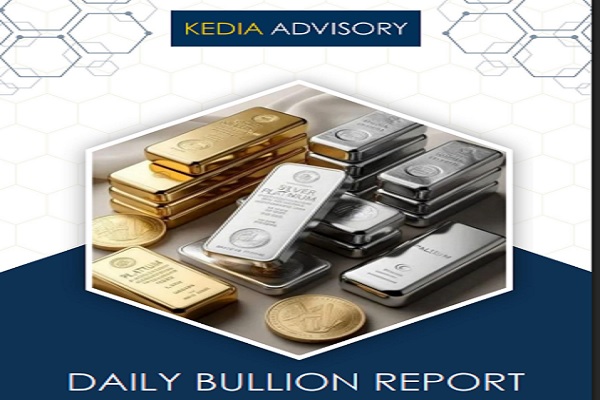
Physical gold is the older, more instinctive choice. There’s something psychologically powerful about owning a tangible asset—coins, bars, jewelry—that exists independent of any system. It doesn’t need electricity, passwords, or platforms. In times of uncertainty, that simplicity becomes its biggest strength. When currencies fluctuate or financial systems feel fragile, physical gold offers a sense of permanence. It’s also globally recognized; its value doesn’t depend on any one country’s economy.
But that same tangibility comes with friction. Storage is a real concern—you either rely on banks, lockers, or personal safes, all of which involve cost or risk. Selling physical gold isn’t always instant either; prices can vary depending on purity, location, and dealer margins. In short, it’s reliable, but not very agile.
Digital gold, on the other hand, is built for speed and accessibility. It allows you to buy small amounts, track real-time prices, and transact instantly. For a generation used to mobile apps and seamless payments, this version of gold feels natural. You don’t worry about storage or theft in the traditional sense, and you can liquidate your holdings with a few taps. It also lowers the entry barrier—no need to save up for a full coin or bar.
However, digital gold introduces a different kind of dependency. You’re trusting a platform, a system, or a financial intermediary to actually back your holdings. That means counterparty risk—if the platform fails, freezes accounts, or lacks transparency, your “gold” may not feel as solid as you thought. It’s convenient, but it’s only as strong as the system supporting it.
So where should smart money go? The answer isn’t choosing sides—it’s understanding roles.
Physical gold works best as a foundation. It’s not about quick gains or frequent trading; it’s about stability. Think of it as insurance for your wealth—something you don’t touch often, but are glad to have when uncertainty rises. It anchors your portfolio.
Digital gold, by contrast, fits better as a flexible layer. It allows you to respond quickly to market movements, rebalance your holdings, or even use gold as part of a broader, more active financial strategy. It aligns with liquidity and convenience.
What’s changing in 2026 isn’t gold itself—it’s how people interact with it. Wealth today is less about holding a single “perfect” asset and more about combining stability with adaptability. Smart investors are less concerned with the format and more focused on the function each asset serves.
If your goal is security and long-term preservation, physical gold still holds its ground. If your priority is accessibility and ease of use, digital gold makes a compelling case. But relying entirely on one while ignoring the other misses the bigger picture.
The smarter approach is balance. Own some gold you can’t easily access—and some you can move instantly. One protects you from systemic shocks; the other keeps you flexible in a fast-moving world.
Because in the end, smart money doesn’t just chase returns—it prepares for uncertainty without sacrificing opportunity.