Cryptocurrency and the Future of Wealth
The financial world is undergoing a major transformation, and cryptocurrency is at the center of this change. Once considered a niche concept understood only by technology enthusiasts, cryptocurrencies have now become a global financial phenomenon. From individual investors to multinational companies, people are increasingly exploring digital assets as a new way to build and manage wealth.
As blockchain technology continues to evolve, cryptocurrency is reshaping how people think about money, investments, and financial freedom.
Understanding Cryptocurrency
Cryptocurrency is a form of digital currency that uses blockchain technology to secure transactions and maintain transparency. Unlike traditional currencies controlled by governments and central banks, cryptocurrencies operate on decentralized networks.
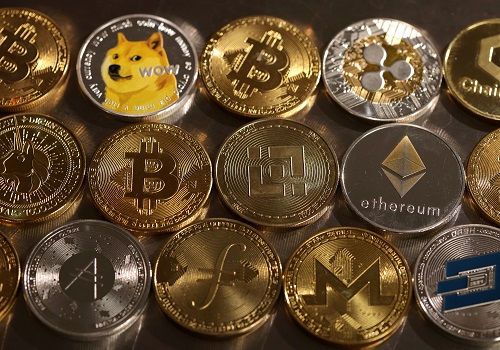
Popular cryptocurrencies include:
- Bitcoin
- Ethereum
- Solana
- Ripple
These digital assets allow users to transfer value globally without relying on traditional banking systems.
Why Cryptocurrency Is Attracting Investors
Cryptocurrency has gained attention because of its potential for high returns and financial innovation. Many investors see digital assets as an opportunity to diversify their portfolios and participate in the future of finance.
Key Reasons for Popularity:
- Decentralization and independence from banks
- Fast global transactions
- Potential for long-term growth
- Increased accessibility to investing
- Transparency through blockchain technology
For younger generations especially, cryptocurrency represents a modern approach to wealth creation.
Cryptocurrency as a Wealth-Building Tool
Over the past decade, several cryptocurrencies have experienced massive value growth. Early investors in digital assets have created substantial wealth, encouraging more people to explore crypto investing.
Ways Cryptocurrency Builds Wealth:
- Long-term investing
- Trading and market speculation
- Staking and earning rewards
- Decentralized finance (DeFi) participation
- Blockchain-based business opportunities
Many investors now view cryptocurrency as a digital alternative to traditional assets like gold and stocks.
The Rise of Decentralized Finance (DeFi)
Decentralized Finance, commonly called DeFi, is changing the financial industry by removing intermediaries such as banks. Through blockchain-powered applications, users can lend, borrow, save, and trade assets directly.
DeFi offers:
- Greater financial accessibility
- Lower transaction costs
- Faster financial services
- Global participation opportunities
This innovation could significantly influence the future of wealth management and financial systems worldwide.
Risks and Challenges of Cryptocurrency
Despite its potential, cryptocurrency also comes with significant risks. The market is highly volatile, and prices can rise or fall dramatically within short periods.
Common Challenges:
- Market volatility
- Regulatory uncertainty
- Cybersecurity risks
- Scams and fraud
- Lack of investor awareness
Because of these risks, financial experts recommend research, diversification, and responsible investing strategies.
The Role of Blockchain Technology
Beyond digital currencies, blockchain technology itself may become one of the most valuable innovations of the century. Industries including healthcare, finance, supply chain management, and real estate are exploring blockchain solutions.
This means the future of wealth may not only come from owning cryptocurrencies but also from participating in blockchain-driven industries and businesses.
Governments and the Future of Digital Currency
Many governments and financial institutions are developing Central Bank Digital Currencies (CBDCs). These digital versions of traditional currencies could reshape the global financial landscape.
At the same time, regulations are increasing to improve investor protection and market stability. The future of cryptocurrency will likely involve a balance between innovation and regulation.
Cryptocurrency and Financial Inclusion
One of cryptocurrency’s biggest advantages is its ability to provide financial access to people without traditional banking services. In developing regions, digital assets can help individuals participate in global commerce and financial systems using only a smartphone and internet connection.
This could create new economic opportunities and reduce barriers to wealth creation worldwide.
The Future of Wealth in a Digital Economy
As technology continues to advance, wealth creation is becoming increasingly digital. Cryptocurrency, blockchain, artificial intelligence, and decentralized systems are shaping a new financial era.
Future wealth may depend on:
- Digital assets
- Online businesses
- Technological innovation
- Decentralized financial systems
- Global digital economies
People who adapt to these changes and build financial knowledge may gain significant advantages in the evolving economy.
Conclusion
Cryptocurrency is more than a financial trend—it represents a shift in how the world views money, ownership, and wealth creation. While risks remain, digital assets and blockchain technology have already influenced global finance in powerful ways.
The future of wealth will likely combine traditional financial principles with emerging digital innovations. Those who approach cryptocurrency with education, strategy, and caution may find new opportunities in the rapidly changing financial landscape.