How to Get Out of Debt Faster: A Practical Guide to Regaining Financial Freedom
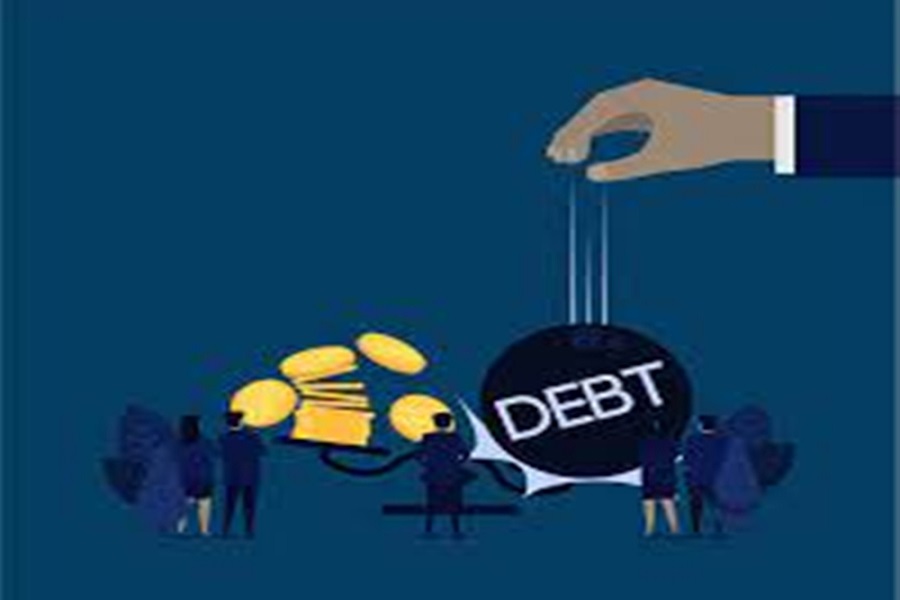
Debt can feel overwhelming, especially when monthly payments seem never-ending. Whether it's credit card debt, personal loans, student loans, or other financial obligations, carrying debt for too long can affect your financial goals and peace of mind. The good news is that with the right strategy and discipline, you can accelerate your debt repayment journey and achieve financial freedom sooner than you think.
Understand Your Debt Situation
The first step toward becoming debt-free is knowing exactly what you owe. Create a list that includes:
- Total debt amount
- Interest rates
- Minimum monthly payments
- Loan terms
Having a clear picture of your financial obligations helps you prioritize repayment and create an effective plan.
Create a Realistic Budget
A budget is one of the most powerful tools for debt repayment. Track your income and expenses to identify areas where you can cut unnecessary spending.
Focus on:
- Reducing discretionary expenses
- Limiting impulse purchases
- Redirecting savings toward debt payments
Even small monthly savings can significantly reduce repayment time.
Choose a Debt Repayment Strategy
The Debt Snowball Method
With this approach, you pay off the smallest debt first while making minimum payments on all other debts. Once the smallest debt is cleared, roll that payment into the next debt.
Benefits:
- Quick wins
- Increased motivation
- Builds positive financial habits
The Debt Avalanche Method
This strategy focuses on paying off debts with the highest interest rates first.
Benefits:
- Saves more money on interest
- Reduces total repayment cost
- Often results in faster debt elimination
Choose the method that best matches your personality and financial goals.
Pay More Than the Minimum
Minimum payments are designed to keep you in debt longer. Whenever possible, pay more than the required amount.
Extra payments:
- Reduce principal faster
- Lower total interest costs
- Shorten the repayment period
Even an additional 10–20% payment each month can make a substantial difference over time.
Increase Your Income
Cutting expenses helps, but increasing income can accelerate debt repayment even further.
Consider:
- Freelancing
- Part-time work
- Consulting services
- Selling unused items
- Starting a side business
Use any additional income exclusively for debt repayment to maximize results.
Avoid Taking on New Debt
While paying off existing debt, avoid accumulating new balances.
Tips include:
- Limiting credit card usage
- Avoiding unnecessary financing
- Delaying major purchases
- Building an emergency fund to cover unexpected expenses
This prevents setbacks and keeps your debt reduction plan on track.
Consolidate or Refinance Debt
If you qualify, debt consolidation or refinancing may help lower your interest rates and simplify repayment.
Potential benefits:
- Lower monthly payments
- Reduced interest costs
- Easier financial management
Always compare fees and terms before choosing this option.
Build an Emergency Fund
Unexpected expenses often push people deeper into debt. Even a modest emergency fund can provide a financial cushion during emergencies.
Aim to save:
- One month of essential expenses initially
- Gradually increase savings over time
This helps prevent reliance on credit cards or loans when surprises arise.
Stay Motivated Throughout the Process
Debt repayment is a marathon, not a sprint.
Ways to stay motivated:
- Track your progress monthly
- Celebrate small milestones
- Visualize your debt-free future
- Focus on long-term financial goals
Every payment brings you one step closer to financial independence.
Conclusion
Getting out of debt faster requires a combination of planning, discipline, and consistency. By understanding your debt, following a structured repayment strategy, increasing your income, and avoiding new borrowing, you can significantly shorten your journey to becoming debt-free.
Remember, financial freedom isn't achieved overnight. Small, consistent actions taken today can lead to a stronger financial future tomorrow.