RBI keeping close watch on West Asia conflict-induced energy supply shock, impact on inflation: Sanjay Malhotra
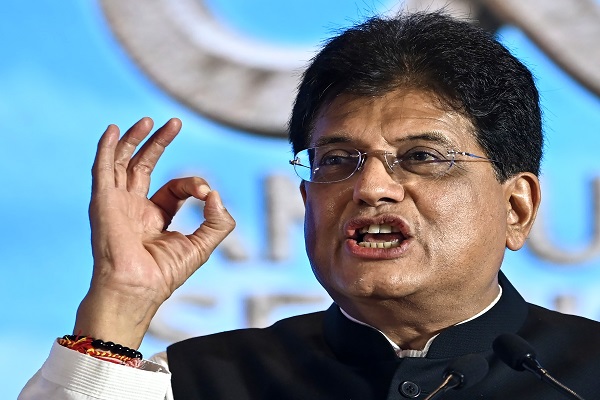
The Reserve Bank of India (RBI) Governor Sanjay Malhotra has said that RBI is keeping a close watch on West Asia conflict-induced energy supply shock on the price level and consider whether monetary policy action is needed. He noted that the RBI has adopted a neutral stance in its monetary policy in June 2025 and hasn’t changed it since, which gives it the flexibility to remain nimble in approach and respond judiciously to incoming data and information.
However, the governor said 'if sustained increase in prices drives up wages, production and transportation costs (second-round effects) and leads to generalisation of inflation pressures, the 'look through' approach is no longer optimal, requiring tighter policy’. He noted that India’s 200-basis-point tolerance band around the 4 per cent inflation target gives the RBI necessary policy space to accommodate supply shock-induced volatility in the short run. He said at the same time, there is a focus on the medium-term objective of price stability.
He further said policy frameworks focusing on price stability should be flexible enough to allow central banks to look through transitory shocks. However, he said the framework should also be nimble and maintain a broad policy stance without making firm commitments on the future path of policy. In such circumstances, he said, a broad approach is to be even more data dependent and to continuously reassess the balance of risks. Whether to look through or not depends on the duration of inflation and whether it is generalised in the economy.