India`s fertiliser subsidy bill likely to increase by Rs 70,000 crore in FY27 owing to West Asia crisis

Aparna S Sharma, Additional Secretary, Department of Fertilisers has said the government's fertiliser subsidy bill for fiscal year 2026-27 is likely to rise by Rs 70,000 crore, reaching Rs 2.41 lakh crore, due to higher import costs of urea and other fertilisers amid the ongoing crisis in West Asia. The budgetary allocation for fertiliser subsidies in 2026-27 stands at Rs 1.71 lakh crore. Despite rising cost pressures, Sharma stated that fertiliser availability for the 2026 kharif season is comfortable, with stocks exceeding 51 per cent of the total requirement of 390 lakh tonne, the gap being bridged through diversified import sourcing. She said current fertiliser stocks stand at 200.9 lakh tonne.
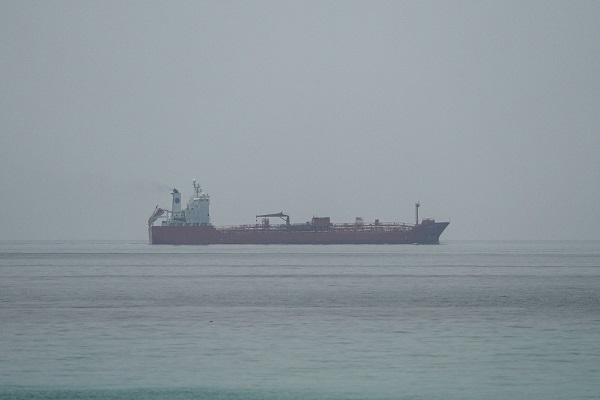
Domestic fertiliser production is currently around 80,000 tonnes per day. Since the start of the West Asia crisis, total output has reached 86.2 lakh tonnes, slightly below the 93 lakh tonne recorded in the year-ago period. She noted ‘There is a small shortfall which we hope to cover in the coming months.’ Moreover, she said sufficient gas supply is available for urea plants. India has been actively diversifying import routes to reduce reliance on the Strait of Hormuz, with more than 22 lakh tonnes of fertilisers already received.
Through a consortium-based procurement approach, the country has secured around 13.5 lakh tonne of Di-Ammonium Phosphate and 7 lakh tonne of NPK complex, besides ammonium sulphate, phosphate, and other raw materials. The Department of Fertilisers is also reviewing availability of other inputs for urea and complex fertiliser manufacture. Subsidy disbursements are being cleared weekly via the Integrated Fertilizer Management System. Sharma said ‘Overall, the situation remains strong, stable and comfortable.’




.jpg)