Wearable Gadgets for Health Monitoring: The Future of Personal Wellness
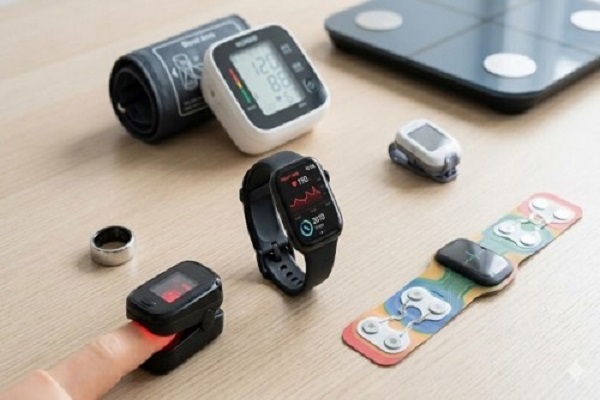
In today’s fast-paced world, staying healthy has become more important than ever. Technology is playing a crucial role in helping people track and improve their well-being, and wearable gadgets are at the forefront of this transformation. From counting steps to monitoring heart health, these smart devices are revolutionizing how we understand and manage our bodies.
What Are Wearable Health Gadgets?
Wearable health gadgets are electronic devices designed to be worn on the body, such as smartwatches, fitness bands, and smart rings. These devices use sensors to collect real-time data about various health metrics and provide insights that help users make informed lifestyle choices.
Key Features of Health Monitoring Wearables
Modern wearable gadgets come equipped with advanced features that go beyond basic fitness tracking:
Heart Rate Monitoring
Tracks your heart rate throughout the day and during workouts, helping you understand your cardiovascular health.
Sleep Tracking
Analyzes sleep patterns, including deep sleep, light sleep, and REM cycles, to improve sleep quality.
Step Counting and Activity Tracking
Measures daily physical activity such as steps taken, calories burned, and distance covered.
Blood Oxygen (SpO2) Monitoring
Helps assess oxygen levels in the blood, which is especially useful for respiratory health.
Stress and Breathing Analysis
Tracks stress levels and offers guided breathing exercises for relaxation.
ECG (Electrocardiogram)
Some advanced devices can record heart rhythms and detect irregularities.
Benefits of Using Wearable Health Gadgets
Real-Time Health Insights
Instant access to your body’s data helps you stay aware and proactive.
Motivation to Stay Active
Activity goals and reminders encourage a healthier lifestyle.
Early Detection of Health Issues
Continuous monitoring can help identify potential problems early.
Convenience and Accessibility
Health tracking is available anytime, anywhere.
Personalized Health Goals
Many devices offer tailored recommendations based on your data.
Popular Types of Wearable Health Devices
Smartwatches
Multifunctional devices that combine fitness tracking with smartphone features.
Fitness Bands
Lightweight and affordable devices focused on activity tracking.
Smart Rings
Compact wearables that track sleep, activity, and vital signs discreetly.
Wearable ECG Monitors
Designed specifically for heart health monitoring.
Who Can Benefit from These Gadgets?
Fitness enthusiasts looking to optimize workouts
Individuals managing chronic conditions
Busy professionals aiming for better health balance
Elderly users needing regular monitoring
Anyone interested in preventive healthcare
Challenges and Considerations
While wearable gadgets are highly beneficial, users should also consider:
Accuracy Limitations: Not all readings are 100% precise
Battery Life: Frequent charging may be required
Data Privacy: Personal health data must be handled securely
Cost: Advanced devices can be expensive
The Future of Wearable Health Technology
The future of wearable gadgets looks promising, with innovations like AI-driven health insights, continuous glucose monitoring, and advanced biosensors. These devices are expected to become even more accurate and integrated with healthcare systems, enabling remote patient monitoring and personalized medical care.
Conclusion
Wearable health gadgets are transforming the way we approach wellness. By providing real-time data and actionable insights, they empower individuals to take control of their health like never before. As technology continues to evolve, these smart devices will play an even bigger role in building a healthier and more informed society.