Mukesh Ambani Wealth Model: A Blueprint of Modern Indian Capital Creation
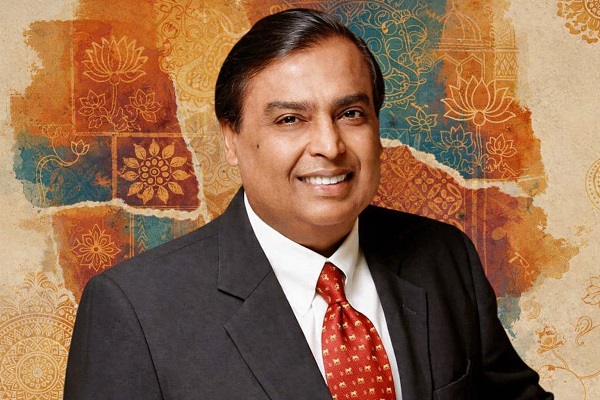
Mukesh Ambani, represents one of the most influential wealth creation models in the global emerging market landscape. His journey is not just about inherited business expansion but about transforming a traditional petrochemicals company into a diversified digital, retail, and energy conglomerate.
The “Ambani Wealth Model” is widely studied because it combines long-term industrial scale, aggressive reinvestment, debt-backed expansion, and strategic disruption of multiple sectors.
1. Foundation: Strong Industrial Base
The wealth model began with Reliance Industries, built originally by Dhirubhai Ambani. Mukesh Ambani inherited a strong petrochemical and refining base, which became the cash-generating engine of the group.
This industrial foundation provided:
1. Stable cash flows
2. Large-scale asset base
3. Global trade integration
4. High capital reinvestment capability
Unlike purely tech-driven fortunes, this model is rooted in physical infrastructure and manufacturing.
2. Scale-First Strategy
A core feature of Ambani’s wealth model is “scale economics.”
Instead of incremental growth, Reliance expanded through:
1. Mega refineries and petrochemical complexes
2. Integrated supply chains
3. Massive production capacity
The Jamnagar refinery complex is one of the largest globally, reflecting the strategy of dominating by scale rather than competition.
3. Debt as a Growth Lever
A key part of the wealth strategy is structured leverage.
Reliance has historically used:
1. Strategic debt financing
2. Global capital partnerships
3. Pre-IPO investments and stake sales
However, debt is not used for survival—it is used for expansion into high-return sectors, later deleveraged through cash-generating new businesses.
4. Digital Disruption: Jio Revolution
One of the biggest wealth accelerators in modern Indian history was the launch of Reliance Jio.
Jio transformed the telecom market by:
1. Offering ultra-low-cost data
2. Rapidly acquiring millions of users
3. Forcing industry-wide price disruption
This move created a digital ecosystem that later supported fintech, e-commerce, and media expansion.
5. Retail Expansion Strategy
Reliance Retail became another major pillar of wealth creation.
Key features:
1. Omnichannel retail dominance
2. Strong supply chain integration
3. Acquisition of small and large retail brands
4. Deep penetration into urban and rural India
This model focuses on controlling both supply and consumer access.
6. Energy Transition Shift
A modern evolution of the wealth model is the shift toward green energy.
Reliance is investing heavily in:
1. Solar energy manufacturing
2. Hydrogen fuel technology
3. Battery storage systems
4. Clean energy infrastructure
This transition is aimed at future-proofing wealth against fossil fuel dependency.
7. Ecosystem-Based Wealth Building
Unlike traditional businesses, the Ambani model builds interconnected ecosystems:
1. Telecom (Jio)
2. Retail (Reliance Retail)
3. Digital services
4. Media platforms
5. Energy systems
Each sector supports the other, creating internal demand loops and cross-subsidization advantages.
8. Capital Recycling Strategy
A key wealth principle is recycling capital:
Build infrastructure → scale user base → attract investors → monetize stakes → reinvest in new sectors
This continuous cycle allows expansion without slowing liquidity.
9. Partnership and Global Capital Integration
Reliance frequently partners with:
1. Global sovereign wealth funds
2. Private equity firms
3. Strategic multinational investors
This reduces risk and increases capital availability while maintaining control.
10. Key Lessons from the Ambani Wealth Model
1. Scale matters more than gradual growth
2. Infrastructure + digital integration creates dominance
3. Debt can be powerful when tied to expansion
4. Ecosystem building is stronger than standalone businesses
5. Future wealth depends on adaptability (especially green energy shift)
Conclusion
Mukesh Ambani’s wealth model is a hybrid of old-economy infrastructure and new-age digital disruption. It demonstrates how traditional industrial strength can be transformed into a diversified, technology-driven empire.
Rather than relying on a single sector, the model thrives on interconnected businesses, long-term capital deployment, and strategic reinvention—making it one of the most studied wealth creation frameworks in modern economics.