Cultural Tourism: Exploring Heritage, Traditions, and Identity in 2025
What Is Cultural Tourism?
Cultural tourism is the practice of traveling to experience the traditions, heritage, and lifestyles of different communities. It’s not just about sightseeing—it’s about living the culture through festivals, food, art, and history.
Global Growth and Trends
The cultural tourism market is valued at over $1 trillion in 2025, with steady growth projected into the next decade.
Travelers are increasingly prioritizing authentic experiences over luxury, choosing destinations that offer genuine cultural immersion.
In India, 82% of travelers plan trips around cultural experiences, highlighting the rising demand for festivals, heritage sites, and local traditions.
Popular Cultural Tourism Experiences
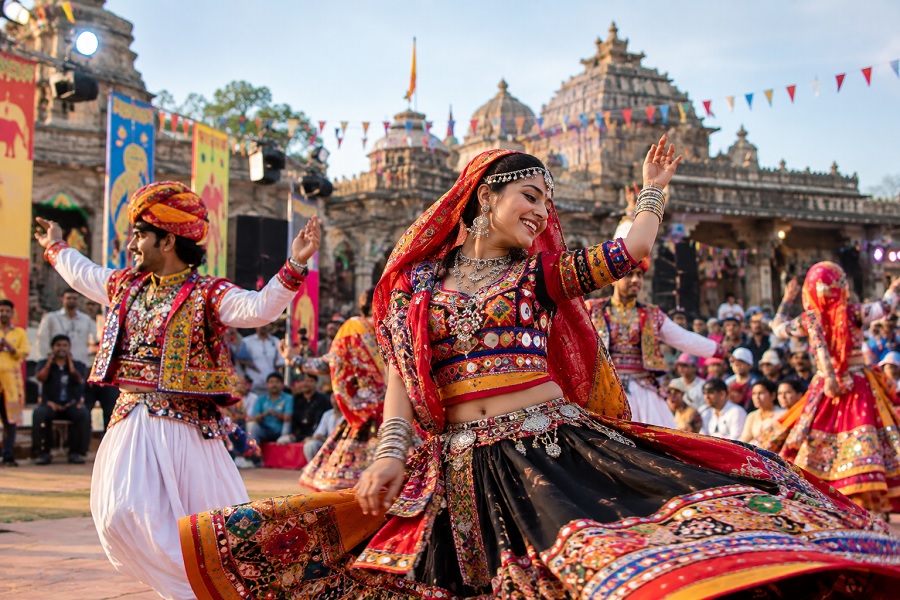
Festivals & Celebrations: Holi in India, Carnival in Brazil, Oktoberfest in Germany.
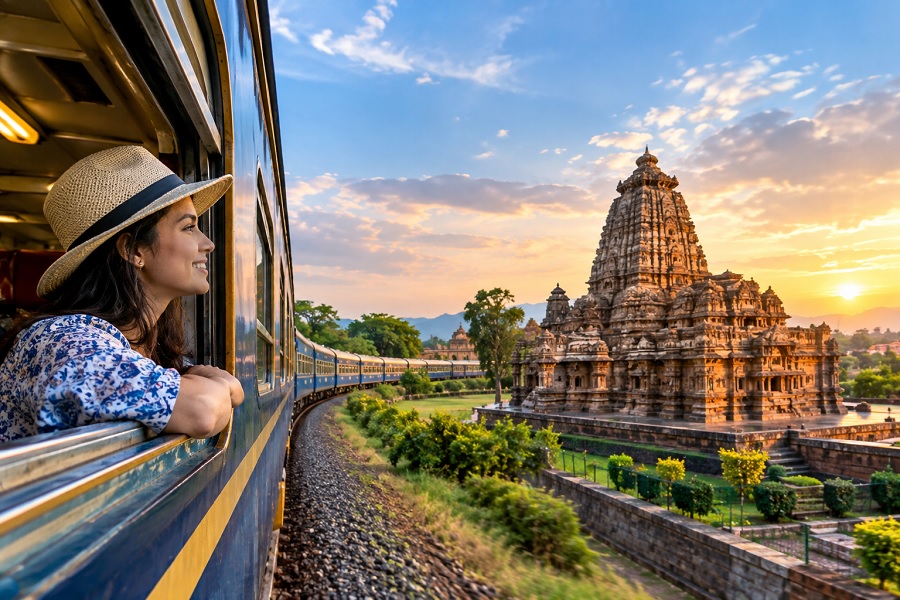
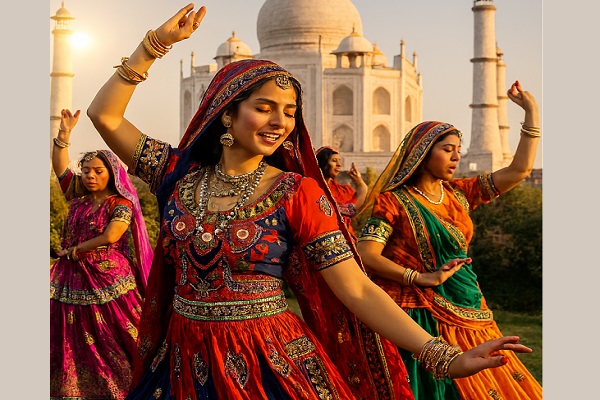
Heritage Sites: UNESCO landmarks like Machu Picchu, Angkor Wat, and the Taj Mahal.
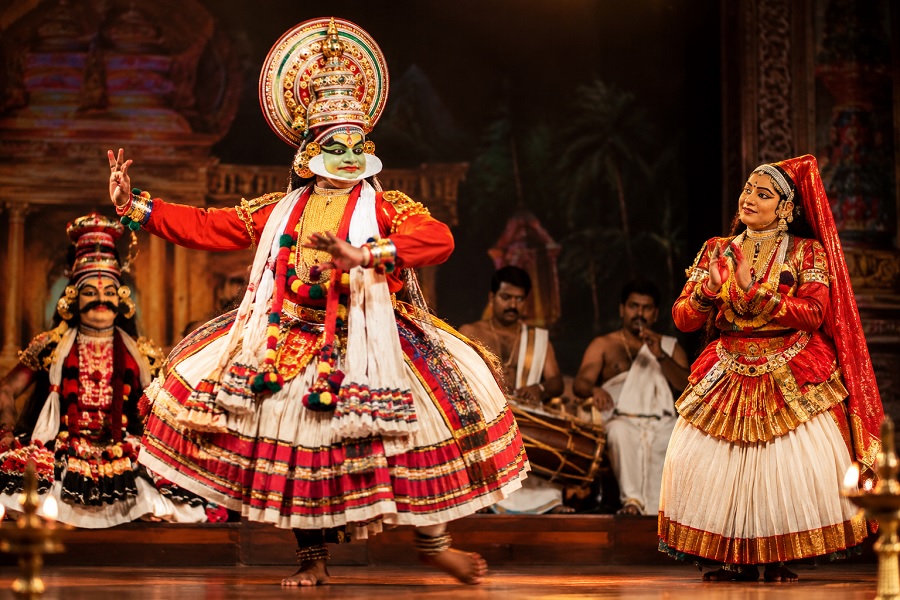
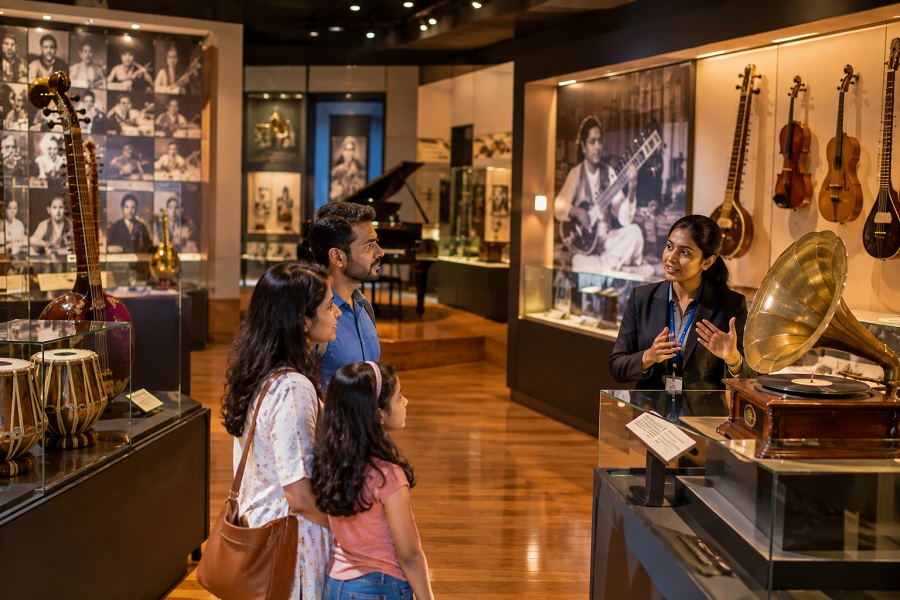
Art & Performance: Traditional dance, theater, and music events.
Culinary Journeys: Cooking classes, food tours, and local street food explorations.
Shifting Preferences in 2025
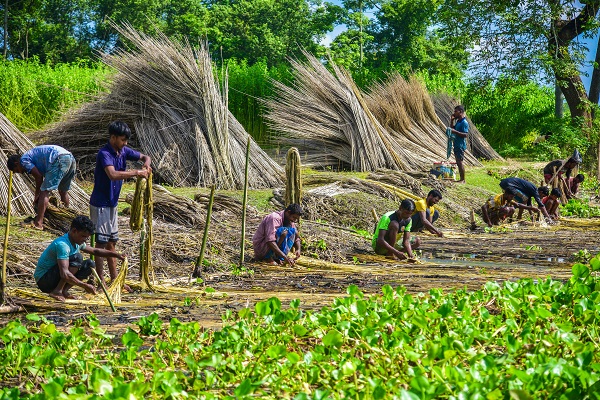
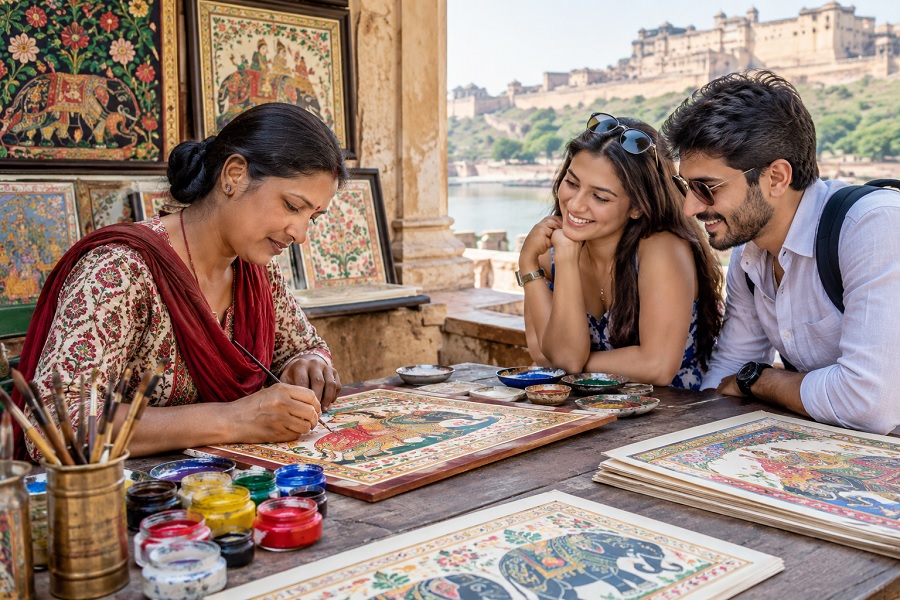
Immersive Journeys: Hands-on workshops (pottery, weaving, folk dance).
Digital Integration: VR/AR previews of cultural sites before visiting.
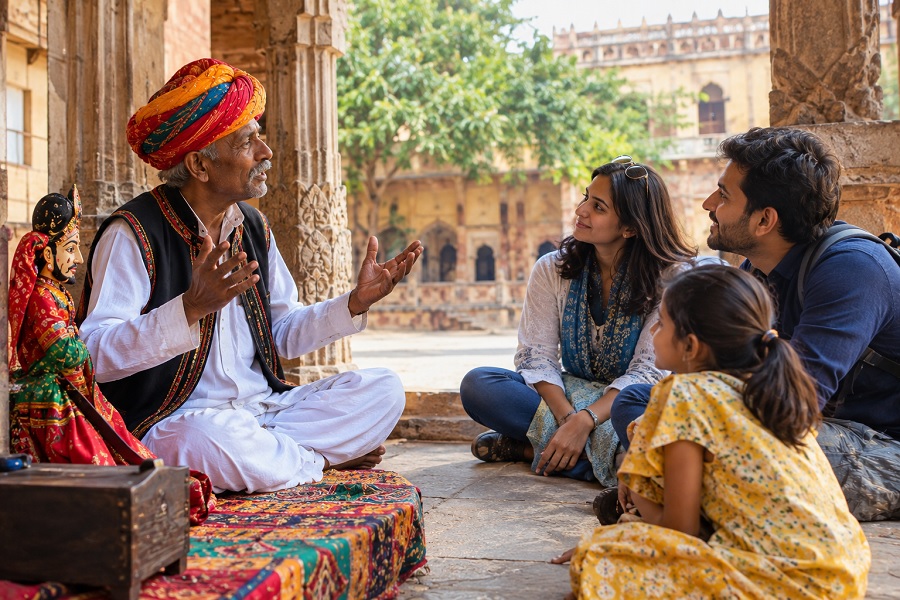
Community-Led Tourism: Local guides and artisans shaping authentic storytelling.
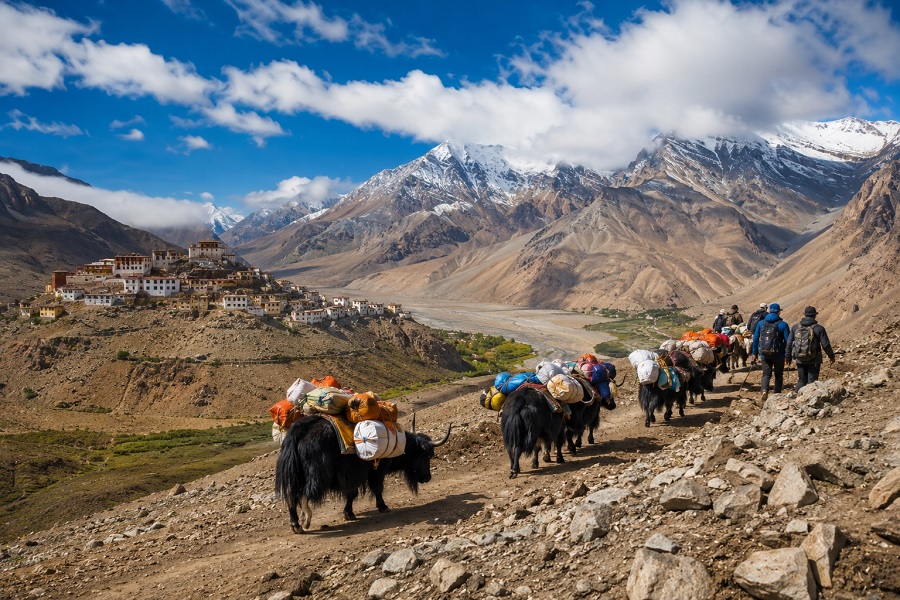
Offbeat Destinations: Smaller towns and villages gaining popularity for unique traditions.
Why Cultural Tourism Matters
Cultural tourism enriches both travelers and host communities:
For travelers: Builds empathy, knowledge, and unforgettable memories.
For communities: Generates income, preserves heritage, and strengthens cultural pride.
In 2025, cultural tourism is more than travel—it’s a bridge between people and traditions. Whether dancing at a local festival, tasting traditional recipes, or exploring centuries-old monuments, travelers are choosing experiences that connect them deeply with the world’s diverse cultures.