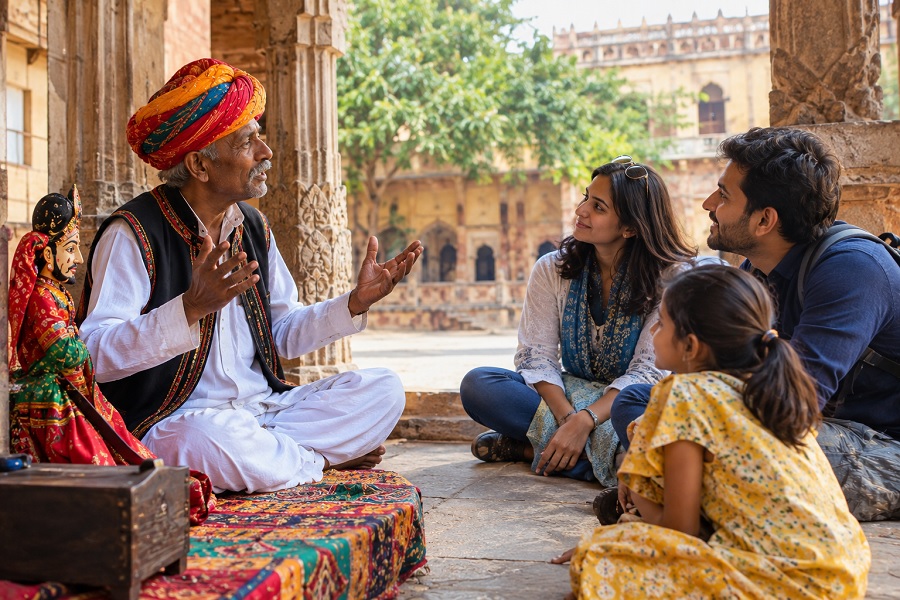
Cultural Tourism: Connecting Through Heritage

Cultural tourism is a form of travel where the primary motivation is to experience, learn, and immerse oneself in the cultural heritage of a destination. It includes exploring traditions, art, architecture, cuisine, festivals, and the everyday lifestyle of local communities. Unlike leisure tourism, cultural tourism emphasizes authentic engagement with the intellectual, spiritual, and emotional aspects of a society.
Key Features of Cultural Tourism
Heritage Exploration: Visiting monuments, museums, and UNESCO sites.
Living Traditions: Participating in festivals, rituals, and local customs.
Art & Architecture: Experiencing galleries, theaters, and historic landmarks.
Culinary Journeys: Tasting traditional food and learning cooking practices.
Community Interaction: Engaging with locals to understand their values and way of life.
Why It’s Growing
Authenticity: Travelers increasingly seek meaningful experiences beyond typical sightseeing.
Education: Cultural tourism fosters awareness and appreciation of diverse societies.
Economic Impact: It supports local artisans, performers, and heritage conservation.
Sustainability: Encourages preservation of traditions and responsible tourism practices.
Examples of Cultural Tourism Destinations
Taj Mahal, India – Mughal architecture and heritage.
Kyoto, Japan – Temples, tea ceremonies, and cherry blossom traditions.
Rome, Italy – Ancient ruins and Renaissance art.
Bali, Indonesia – Temples, dances, and spiritual practices.
Seville, Spain – Flamenco, festivals, and Moorish architecture.