Common EV Myths Debunked: Separating Facts from Fiction About Electric Vehicles
Electric Vehicles (EVs) are becoming increasingly popular worldwide, offering a cleaner and more sustainable alternative to traditional petrol and diesel vehicles. However, despite their growing adoption, many misconceptions continue to surround EV technology. These myths often prevent potential buyers from making informed decisions.
In this article, we'll debunk some of the most common EV myths and uncover the truth behind electric mobility.
Myth 1: EVs Don't Have Enough Range
One of the most widespread concerns is that electric vehicles cannot travel long distances on a single charge.
Reality: Modern EVs offer impressive driving ranges, with many models capable of traveling between 300 to 600 kilometers on a full charge. For most daily commuters, this range is more than sufficient. Additionally, charging infrastructure continues to expand, making long-distance travel increasingly convenient.
Myth 2: Charging Takes Too Long
Many people believe charging an EV requires several hours and is highly inconvenient.
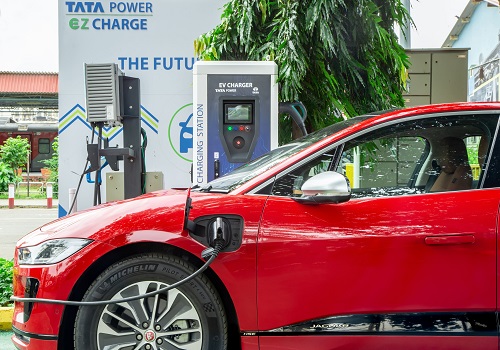
Reality: While home charging may take several hours, fast-charging stations can charge many EVs from 20% to 80% in under an hour. Most EV owners also charge their vehicles overnight, similar to charging a smartphone, ensuring a full battery every morning.
Myth 3: EV Batteries Need Frequent Replacement
A common fear is that EV batteries wear out quickly and are expensive to replace.
Reality: EV batteries are designed to last for many years. Most manufacturers offer battery warranties ranging from 8 to 10 years. Studies show that modern EV batteries retain a significant portion of their capacity even after hundreds of thousands of kilometers.
Myth 4: Electric Vehicles Are More Expensive
Many consumers assume EVs are far more costly than conventional vehicles.
Reality: While the initial purchase price may be higher in some cases, EVs often have lower operating and maintenance costs. Electricity is generally cheaper than fuel, and EVs have fewer moving parts, reducing maintenance expenses over time.
Myth 5: EVs Are Not Environmentally Friendly
Some critics argue that EVs simply shift pollution from the vehicle to power plants.
Reality: Although electricity generation can produce emissions, EVs generally have a lower lifetime carbon footprint than gasoline or diesel vehicles. As renewable energy sources become more common, EVs become even cleaner.
Myth 6: EVs Are Slow and Boring to Drive
Many people assume electric vehicles lack performance and excitement.
Reality: Electric motors deliver instant torque, allowing EVs to accelerate quickly and smoothly. Many electric cars can outperform traditional vehicles in acceleration tests, providing a fun and responsive driving experience.
Myth 7: EVs Cannot Perform Well in Extreme Weather
Some believe EVs are unreliable in very hot or cold climates.
Reality: While extreme temperatures can affect battery efficiency, modern battery management systems help maintain performance. Manufacturers continue to improve battery technology to ensure reliable operation in diverse weather conditions.
Myth 8: There Are Not Enough Charging Stations
Potential buyers often worry about finding charging points during their journeys.
Reality: Charging networks are expanding rapidly across cities, highways, and commercial locations. Governments and private companies are investing heavily in charging infrastructure, making EV ownership increasingly practical.
Myth 9: EV Maintenance Is Difficult
Many assume EVs require specialized and expensive maintenance.
Reality: Electric vehicles typically require less maintenance than internal combustion engine vehicles. There are no oil changes, fewer moving parts, and reduced wear on braking systems due to regenerative braking technology.
Myth 10: EVs Are Just a Temporary Trend
Some skeptics view electric vehicles as a passing fad.
Reality: Major automakers worldwide are investing billions in EV development, and governments are implementing policies to encourage electrification. The automotive industry's future is increasingly focused on electric mobility.
Conclusion
Electric vehicles have evolved significantly in recent years, yet outdated myths continue to influence public perception. Understanding the facts can help consumers make informed choices and appreciate the benefits of EV technology. As battery performance improves, charging networks expand, and costs continue to decrease, electric vehicles are becoming a practical and sustainable option for millions of drivers worldwide.
The future of transportation is electric, and separating myth from reality is the first step toward embracing it.