What Is Traction Control and Why Does It Matter?
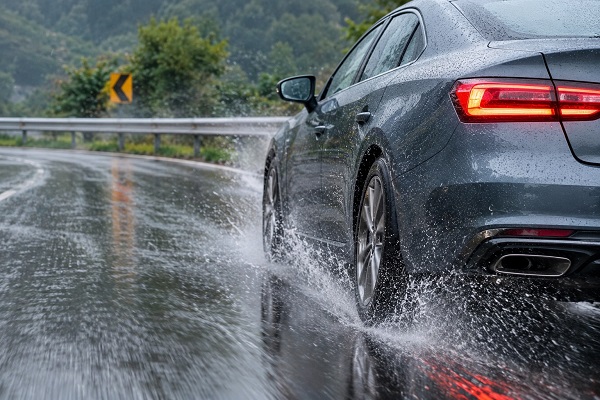
Modern vehicles are equipped with a variety of safety technologies designed to make driving safer and more comfortable. One of the most important yet often overlooked features is the **Traction Control System (TCS)**. Whether you're driving on a rain-soaked highway, a snowy road, or a loose gravel surface, traction control helps your vehicle maintain grip and stability when it matters most.
Many drivers see the TCS indicator light on the dashboard but may not fully understand what the system does. This guide explains how traction control works, why it's important, and how it contributes to safer driving.
What Is Traction Control?
Traction Control System (TCS) is an electronic safety feature that helps prevent a vehicle's wheels from spinning when they lose grip on the road. It works by monitoring wheel speed and automatically reducing engine power or applying braking force to specific wheels whenever excessive wheel slip is detected.
The primary goal of traction control is to ensure that the tires maintain maximum contact with the road surface, improving stability and control during acceleration.
How Does Traction Control Work?
Traction control relies on sensors that constantly monitor the speed of each wheel.
Here's what happens when the system detects wheel slip:
1. Wheel-speed sensors identify that one or more drive wheels are spinning faster than the others.
2. The vehicle's electronic control unit (ECU) recognizes the loss of traction.
3. The system responds by reducing engine power and/or applying brake pressure to the slipping wheel.
4. Grip is restored, allowing the vehicle to accelerate more safely.
The entire process happens in milliseconds, often without the driver noticing.
When Does Traction Control Activate?
Traction control becomes especially useful in situations where the road offers limited grip, such as:
* Wet roads after rainfall
* Snow-covered streets
* Icy conditions
* Loose gravel roads
* Muddy surfaces
* Sandy terrain
* Sharp acceleration on slippery roads
It can also help reduce wheel spin when accelerating quickly from a stop.
Benefits of Traction Control
Improved Safety
By minimizing wheel spin, traction control helps drivers maintain better control of their vehicles, especially during sudden acceleration on slippery roads.
Better Stability
The system improves vehicle stability when road conditions are less than ideal, reducing the chances of losing control.
Enhanced Tire Grip
Traction control maximizes the available grip between the tires and the road surface, helping the vehicle accelerate more effectively.
Increased Driver Confidence
Drivers often feel more confident navigating challenging weather conditions when traction control is available.
Reduced Tire Wear
Excessive wheel spin can accelerate tire wear. By limiting unnecessary spinning, TCS may help extend tire life.
Traction Control vs. Stability Control
Although the two systems often work together, they serve different purposes.
Traction Control (TCS)
* Prevents wheel spin during acceleration.
* Focuses on maintaining tire grip.
* Helps when starting or accelerating on slippery surfaces.
Electronic Stability Control (ESC)
* Helps prevent skidding during cornering.
* Detects oversteer and understeer.
* Applies braking to individual wheels to help maintain the intended direction of travel.
Many modern vehicles integrate both systems for enhanced safety.
Can You Turn Off Traction Control?
Yes. Many vehicles include a button that allows drivers to temporarily disable traction control.
In certain situations-such as driving through deep snow, loose sand, or mud—allowing some wheel spin can help the vehicle gain momentum and free itself. However, for everyday driving on public roads, leaving traction control enabled is generally the safest choice.
Always follow the recommendations in your vehicle owner's manual regarding the use of TCS.
Common Dashboard Indicator
Most vehicles display a traction control warning light that typically resembles a car with wavy skid marks behind it.
The light may behave differently depending on the situation:
* **Flashing:** The system is actively working to restore traction.
* **Constantly illuminated:** The system may be switched off manually or there may be a fault requiring inspection.
If the warning light remains on continuously, consult your owner's manual or have the vehicle inspected by a qualified technician.
Does Traction Control Improve Braking?
Traction control primarily assists during acceleration rather than braking.
For braking performance, modern vehicles rely on the **Anti-lock Braking System (ABS)**, which prevents wheel lock-up during hard braking.
Together, ABS, TCS, and Electronic Stability Control form an important group of active safety technologies.
Limitations of Traction Control
While highly effective, traction control is not a substitute for careful driving.
Drivers should remember that:
* It cannot overcome the laws of physics.
* It cannot eliminate the effects of excessive speed.
* It cannot compensate for worn or damaged tires.
* It cannot prevent every accident.
Safe driving habits remain the most important factor in preventing collisions.
Tips for Getting the Most from Traction Control
* Keep the system enabled during normal driving.
* Maintain proper tire pressure.
* Replace worn tires promptly.
* Drive at appropriate speeds for road conditions.
* Avoid sudden acceleration on slippery surfaces.
* Learn what the dashboard warning light means for your specific vehicle.
Frequently Asked Questions
Is traction control the same as ABS?
No. ABS helps prevent wheels from locking during braking, while traction control prevents wheels from spinning during acceleration.
Does traction control help in rain?
Yes. It can improve grip and reduce wheel spin on wet roads, helping maintain better vehicle control.
Is traction control useful on dry roads?
Yes. It can still assist if the drive wheels lose traction during hard acceleration, although it activates less frequently than on slippery surfaces.
Should I always leave traction control on?
For most everyday driving conditions, yes. The system is designed to enhance safety and should generally remain activated unless specific low-traction situations call for temporary deactivation as recommended by the vehicle manufacturer.
Final Thoughts
Traction Control is one of the most valuable safety technologies found in modern vehicles. By reducing wheel spin and helping tires maintain grip, it improves stability, enhances driver confidence, and contributes to safer driving in a wide range of road conditions.
Although it works automatically in the background, its impact can be significant when roads become wet, icy, or uneven. Combined with responsible driving, well-maintained tires, and other safety systems like ABS and Electronic Stability Control, traction control plays an essential role in making every journey safer and more controlled.