Centre Removes Cotton Import Duty Till October 31 by Amit Gupta, Kedia Advisory
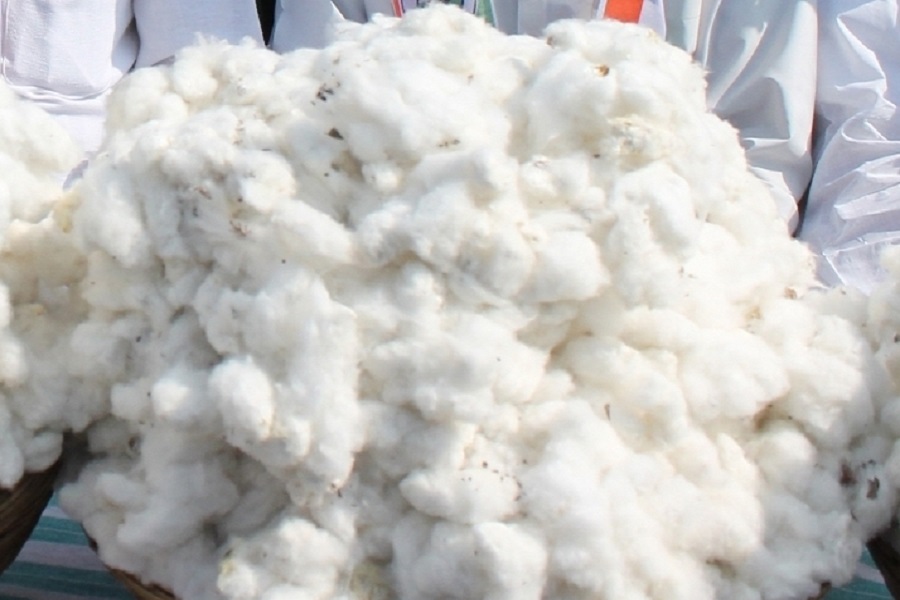
The Government of India has exempted cotton imports from customs duty from June 1 to October 31, 2026, to ensure adequate raw material availability for the textile industry. The move is expected to reduce input costs for yarn, fabric, garments, and other textile products while improving the sector’s global competitiveness. The exemption comes amid a persistent domestic demand-supply gap and is aimed at supporting manufacturers, exporters, and consumers. Officials emphasized that domestic farmers’ interests remain protected through higher Minimum Support Prices (MSP) and procurement operations by the Cotton Corporation of India, ensuring stable returns despite increased imports.
Key Highlights
- Cotton imports will remain duty-free from June 1 to October 31, 2026.
- The move aims to reduce raw material costs for textile manufacturers.
- Duty exemption is expected to improve India's textile export competitiveness.
- Cotton farmers remain protected through higher MSP and CCI procurement.
- Imports mainly meet specialized industrial needs and do not replace domestic cotton.
Cotton prices and market sentiment are expected to remain under focus after the Central Government announced a temporary exemption on cotton import duties from June 1 to October 31, 2026. The move removes the existing 11% customs duty and is aimed at improving cotton availability for the domestic textile sector, which continues to face a demand-supply imbalance.
The decision is likely to ease raw material costs across the textile value chain, including yarn, fabric, garments, and made-up products. Lower import costs are expected to benefit textile manufacturers and exporters by improving margins and enhancing India's competitiveness in global markets. Industry participants believe that stable access to quality cotton will support production growth and help secure export orders, particularly for small and medium enterprises and export-oriented units.
The exemption comes as the textile and apparel industry, which provides employment to more than 45 million people, seeks consistent raw material supplies to maintain operations and expand manufacturing activities. Imported cotton is primarily used for specialized industrial requirements and brand-specific export contracts, limiting direct competition with domestically produced cotton. Most imports also occur during lean supply periods when local availability is relatively tight.
To protect farmers, the government has strengthened support through higher Minimum Support Prices for the 2026-27 marketing season. The MSP for medium-staple cotton has been increased to ?8,267 per quintal, while long-staple cotton has been fixed at ?8,667 per quintal. Procurement by the Cotton Corporation of India will continue to ensure remunerative prices for growers.
The temporary duty waiver is expected to support India's textile sector through lower input costs and improved competitiveness while maintaining adequate safeguards for domestic cotton farmers.
Above views are of the author and not of the website kindly read disclaimer