Canada National Parks Eco Travel
Canada National Parks Eco Travel – A Complete Guide
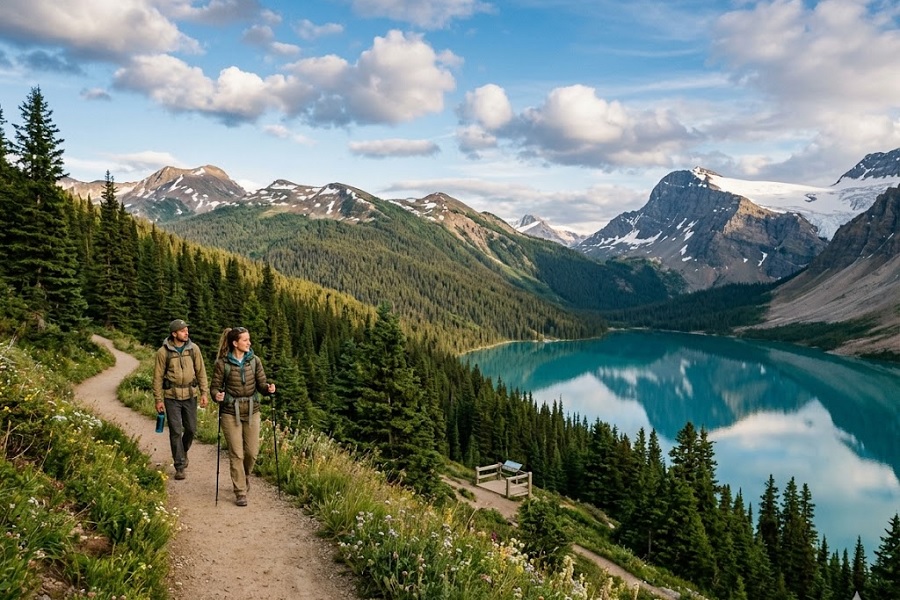
Canada’s national parks are some of the most impressive protected landscapes in the world. From glacier-fed lakes to vast boreal forests and rugged mountain ranges, these parks are built for travelers who want nature at its purest. Eco travel here is not just about sightseeing, but about experiencing wilderness responsibly while helping preserve it for future generations.
What Makes Canada National Parks Special
Canada has over 40 national parks managed with strict conservation rules. The focus is on protecting ecosystems while allowing low-impact tourism.
Key highlights:
Massive untouched wilderness areas
Clean air, clear lakes, and diverse wildlife
Strict environmental protection policies
Well-managed hiking and camping systems
Strong Indigenous cultural connections to land
Top Eco Travel Experiences
1. Banff National Park (Alberta)
Famous for turquoise lakes like Lake Louise and Moraine Lake. Visitors are encouraged to use shuttle systems and stay on marked trails to protect fragile alpine ecosystems.
2. Jasper National Park (Alberta)
A Dark Sky Preserve known for star-filled nights and glacier valleys. Wildlife sightings like elk and bears are common.
3. Yoho National Park (British Columbia)
Known for waterfalls, fossil beds, and dramatic mountain scenery. It offers quieter, less crowded eco trails.
4. Pacific Rim National Park Reserve (British Columbia)
A mix of rainforest, ocean coastline, and Indigenous cultural heritage. Ideal for sustainable coastal tourism.
5. Gros Morne National Park (Newfoundland & Labrador)
A UNESCO World Heritage Site featuring fjords, cliffs, and unique geological formations.
Principles of Eco Travel in Canada
Eco travel in Canadian parks is guided by “leave no trace” ethics:
Stay on designated trails
Avoid feeding wildlife
Carry reusable water bottles and gear
Minimize plastic waste
Respect wildlife distance rules
Support local Indigenous tourism businesses
Wildlife You May Encounter
Canada’s national parks are home to:
Black bears and grizzly bears
Moose and elk
Wolves and lynx
Beavers and otters
Bald eagles and migratory birds
Responsible viewing is essential for safety and conservation.
Sustainable Travel Tips
Use park shuttles instead of private vehicles
Choose eco-certified lodges or campsites
Travel in small groups
Avoid off-trail hiking
Respect seasonal park restrictions
Book permits early to reduce overcrowding
Why Eco Tourism Matters Here
Eco tourism helps:
Fund conservation programs
Protect endangered species habitats
Support Indigenous communities
Reduce environmental damage from mass tourism
Promote education about nature preservation
Best Time to Visit
Summer (June–August): Hiking, kayaking, camping
Autumn (September–October): Fall colors, fewer crowds
Winter (December–March): Skiing, snowshoeing, frozen landscapes
Spring (April–May): Waterfalls, wildlife awakening
Final Thoughts
Canada’s national parks are not just travel destinations—they are living ecosystems that depend on responsible tourism. Eco travel here means enjoying nature while actively protecting it. Whether you’re hiking through alpine trails or watching wildlife in silence, every action matters.