Building Routines on the Road: Staying Grounded While Exploring the World
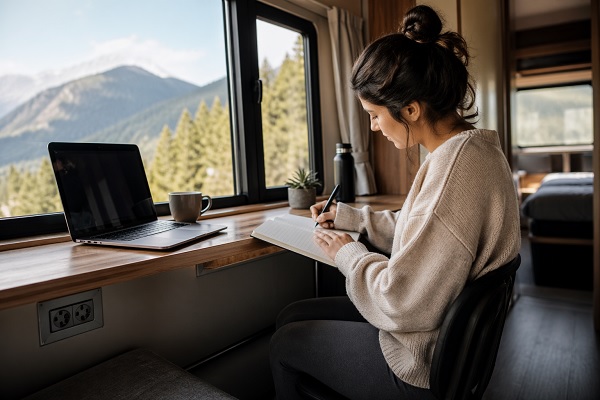
Solo travel is exciting, freeing, and full of unexpected adventures—but it can also disrupt your daily rhythm. When every day feels different, it’s easy to lose structure, productivity, and even a sense of balance. That’s where building routines on the road becomes essential. A flexible routine can help you stay focused, energized, and mentally grounded while still enjoying the spontaneity of travel.
Why Routines Matter While Traveling
When you're constantly moving between cities, time zones, and accommodations, your body and mind can feel unsettled. A simple routine provides stability. It creates a sense of familiarity, even in unfamiliar places. Whether you're working remotely, exploring new destinations, or just taking a break, routines help maintain your productivity and emotional well-being.
Start Your Day with Intention
No matter where you are, having a consistent morning ritual can set the tone for your day. This doesn’t have to be complicated—something as simple as waking up at a similar time, stretching, journaling, or enjoying a quiet cup of coffee can create a strong foundation. It signals your brain that the day has begun with purpose.
Create a Flexible Schedule
Rigid schedules don’t always work on the road, especially when travel plans change. Instead, build a flexible structure. For example, dedicate mornings to work or planning and afternoons to exploring. This balance allows you to stay productive while still enjoying your destination.
Prioritize Health and Wellness
Travel often disrupts eating habits, sleep patterns, and exercise routines. Make a conscious effort to maintain your health. Carry simple workout gear, choose accommodations with access to fitness spaces, or just go for daily walks. Staying hydrated and eating balanced meals can also make a huge difference in how you feel.
Design a Portable Routine
Your routine should be adaptable. You won’t always have access to the same environment or resources, so keep your habits simple and portable. Activities like reading, journaling, meditation, or digital planning can be done anywhere—whether you're in a hostel, hotel, or on a train.
Set Daily Goals
Having small, achievable goals helps maintain focus. These could be work-related tasks, places to visit, or even personal milestones like trying a local dish or meeting new people. Goals provide direction and a sense of accomplishment at the end of each day.
Embrace Slow Travel
Instead of rushing through destinations, consider slowing down. Staying longer in one place makes it easier to establish routines and feel more connected to your surroundings. It also reduces travel fatigue and allows you to experience destinations more deeply.
Stay Organized Digitally
Use apps or simple tools to manage your schedule, bookings, and notes. Keeping everything organized reduces stress and frees up mental space for enjoying your journey.
Balance Routine with Spontaneity
While routines are helpful, don’t let them limit your experiences. Leave room for spontaneous adventures—those unplanned moments often become the most memorable parts of travel. The key is balance: structure for stability, flexibility for freedom.
Reflect and Adjust
Your routine doesn’t have to be perfect from the start. Take time to reflect on what’s working and what’s not. Adjust your habits based on your travel style, energy levels, and goals.
Final Thoughts
Building routines on the road isn’t about restricting your freedom—it’s about enhancing it. A well-balanced routine helps you stay grounded, productive, and present, allowing you to fully enjoy the journey without feeling overwhelmed. With the right approach, you can turn every destination into a place where both adventure and stability coexist.