Best Exercises to Improve Flexibility and Balance
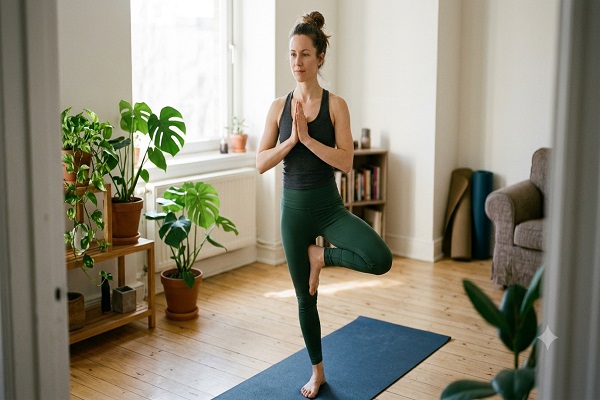
Flexibility and balance are two essential components of overall physical fitness. They help the body move comfortably, maintain proper posture and perform everyday activities with greater ease. Whether walking, climbing stairs, bending down or exercising, good flexibility and balance play an important role in maintaining mobility and physical independence.
However, prolonged sitting, limited physical activity and ageing can gradually affect muscle flexibility and body stability. Including simple stretching and balance exercises in a daily fitness routine can help improve movement, coordination and overall physical well-being.
Here are some of the best exercises to improve flexibility and balance.
1. Standing Forward Bend
The standing forward bend is a simple stretching exercise that helps improve flexibility in the hamstrings, lower back and calves.
How to perform:
Stand straight with your feet comfortably apart.
Slowly bend forward from your hips.
Allow your upper body to move towards your legs.
Keep your knees slightly bent if necessary.
Hold the position for 15–20 seconds before slowly returning to a standing position.
This exercise can help reduce muscle stiffness and improve flexibility in the lower body.
2. Cat-Cow Stretch
The cat-cow stretch is a popular yoga movement that improves spinal mobility and flexibility.
How to perform:
Start on your hands and knees.
Keep your hands below your shoulders and knees below your hips.
Slowly arch your back while lifting your head and chest.
Next, round your spine gently and bring your chin towards your chest.
Repeat the movement 8–10 times while breathing naturally.
This exercise helps improve spinal movement and encourages better posture.
3. Tree Pose
Tree Pose, also known as Vrikshasana, is a traditional yoga posture that helps develop balance, concentration and lower-body stability.
How to perform:
Stand straight with your feet together.
Shift your body weight onto one foot.
Place the sole of your other foot against your inner calf or thigh, avoiding the knee joint.
Bring your hands together in front of your chest.
Maintain the position for 15–30 seconds.
Repeat on the opposite side.
Beginners can stand near a wall or chair for additional support.
4. Standing Hamstring Stretch
Tight hamstrings can affect movement and flexibility, particularly around the hips and legs. This stretch helps gently lengthen the muscles at the back of the thighs.
How to perform:
Stand upright and place one heel slightly forward.
Keep the extended leg straight and bend the supporting knee slightly.
Gently lean forward from your hips.
Keep your back relatively straight.
Hold the stretch for 15–20 seconds.
Repeat with the other leg.
Perform this movement slowly without bouncing or forcing the stretch.
5. Single-Leg Balance Exercise
Single-leg balancing is a simple exercise that helps improve coordination and stability.
How to perform:
Stand upright with your feet hip-width apart.
Slowly lift one foot a few inches above the floor.
Maintain your balance on the supporting leg.
Hold for 10–20 seconds.
Lower your foot and repeat with the other leg.
Practising this exercise regularly can help strengthen the muscles responsible for maintaining body stability.
6. Butterfly Stretch
The butterfly stretch is particularly useful for improving flexibility in the inner thighs and hips.
How to perform:
Sit on the floor with your back straight.
Bring the soles of your feet together.
Hold your feet gently with both hands.
Allow your knees to move towards the floor without forcing them.
Maintain the position for 20–30 seconds.
This exercise can help improve hip mobility and reduce stiffness around the inner thighs.
7. Heel-to-Toe Walk
Heel-to-toe walking is an effective exercise for improving balance and coordination.
How to perform:
Stand straight near a wall or stable support.
Place the heel of one foot directly in front of the toes of the opposite foot.
Take small steps while maintaining a straight walking line.
Continue for 10–15 steps.
Repeat if comfortable.
This activity helps train body coordination and balance during movement.
8. Side Leg Raises
Side leg raises strengthen the muscles around the hips, which play an important role in maintaining stability while walking and standing.
How to perform:
Stand straight while holding a stable chair.
Slowly lift one leg sideways without leaning your upper body.
Keep your toes pointing forward.
Hold briefly before lowering your leg.
Repeat 10–12 times on each side.
Perform the exercise with controlled movements rather than swinging your legs.
9. Child's Pose
Child's Pose, also known as Balasana, is a gentle yoga posture that stretches the back, hips and thighs.
How to perform:
Begin by kneeling on the floor.
Slowly sit back towards your heels.
Extend your arms forward and lower your upper body.
Rest your forehead gently on the floor or a cushion.
Hold the position for 20–30 seconds while breathing comfortably.
This posture can help relax tight muscles and improve overall flexibility.
10. Standing Calf Stretch
The calf muscles support several everyday movements, including walking, climbing stairs and standing. Stretching them can help maintain ankle mobility.
How to perform:
Stand facing a wall and place both hands against it.
Move one foot backwards while keeping its heel on the floor.
Bend the front knee gently.
Keep the back leg relatively straight.
Hold for 15–30 seconds.
Repeat with the other leg.
This exercise helps stretch the calf muscles and supports ankle flexibility.
Benefits of Regular Flexibility and Balance Exercises
Adding stretching and balance activities to a regular fitness routine offers several potential benefits.
1. Improved Mobility: Regular stretching helps maintain the movement range of joints and muscles, making everyday activities more comfortable.
2. Better Posture: Exercises that improve flexibility and body awareness can support better posture and movement habits.
3. Reduced Risk of Falls: Balance training improves coordination and stability, which are particularly important for older adults.
4. Better Muscle Coordination: Balance exercises encourage different muscle groups to work together effectively.
5. Greater Physical Comfort: Gentle stretching may help reduce stiffness associated with prolonged sitting or limited movement.
6. Improved Fitness and Independence: Maintaining flexibility and balance can support physical independence as people grow older.
Tips for Practising Flexibility and Balance Exercises Safely
To get the most from these exercises, it is important to follow a few basic precautions:
Start with gentle movements and gradually increase the duration.
Warm up with a few minutes of light walking before stretching.
Avoid bouncing or forcing your body into uncomfortable positions.
Breathe normally throughout each exercise.
Use a wall or stable chair when practising balance exercises.
Wear comfortable clothing and supportive footwear when needed.
Stop exercising if you experience sharp pain, dizziness or unusual discomfort.
Maintain consistency rather than attempting difficult exercises immediately.
People with existing injuries, joint problems or medical conditions should consult a qualified healthcare professional before starting a new exercise routine.
Conclusion
Flexibility and balance are important for maintaining mobility, coordination and overall physical fitness. Simple activities such as standing forward bends, tree pose, butterfly stretches, single-leg balancing and heel-to-toe walking can be included in a regular exercise routine.
Practising these movements consistently, within individual physical limits, can help maintain joint mobility, improve body stability and support an active lifestyle. By combining flexibility exercises with strength training and regular physical activity, individuals can work towards better long-term health and physical well-being.