Smart Helmets: Features and Safety Innovations Transforming Two-Wheeler Riding
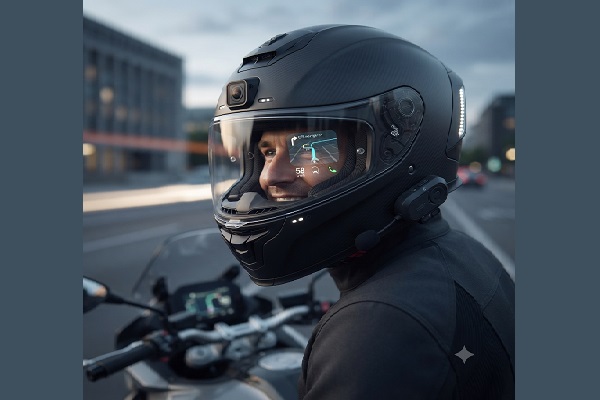
The motorcycle industry is experiencing significant technological advancements, and smart helmets are emerging as an important innovation in rider safety and connectivity. Unlike traditional helmets, smart helmets integrate modern technologies such as Bluetooth connectivity, voice control, GPS navigation, built-in communication systems and advanced safety features.
As the popularity of motorcycles and scooters continues to grow, riders are increasingly looking for equipment that offers both protection and convenience. Smart helmets aim to address these requirements by combining traditional protective designs with digital technology.
From hands-free communication to real-time navigation, these helmets are changing the riding experience while introducing new possibilities for road safety.
1. Bluetooth Connectivity for Hands-Free Communication
Bluetooth connectivity is one of the most common features available in smart helmets. It allows riders to connect their smartphones and communicate without physically handling their devices.
Key benefits include:
Hands-free phone calls through integrated speakers and microphones.
Wireless music streaming while riding.
Voice-based access to selected smartphone functions.
Communication with compatible helmet systems.
This technology can improve convenience, although riders should avoid unnecessary conversations and distractions while operating a motorcycle.
2. GPS Navigation and Real-Time Directions
Some advanced smart helmets feature integrated navigation systems or connect with smartphone navigation applications.
These systems can provide turn-by-turn directions through audio instructions or a heads-up display (HUD), depending on the helmet model.
Important navigation features may include:
Real-time route guidance.
Directional alerts.
Distance information.
Navigation assistance for unfamiliar locations.
Traffic updates through connected applications.
Such features can help riders navigate unfamiliar routes without repeatedly checking their smartphones.
3. Heads-Up Display (HUD) Technology
Heads-up display technology is an emerging feature in premium smart helmets. It presents selected information within the rider's field of vision through a small transparent display or optical projection system.
Depending on the product, information may include:
Navigation directions.
Riding speed.
Incoming call notifications.
Distance and route information.
Selected vehicle-related alerts.
HUD technology aims to reduce the need to look away from the road. However, poorly positioned or excessive visual information can create distractions, making display design and usability important considerations.
4. Built-In Cameras and Video Recording
Some smart helmets include integrated cameras that allow riders to record their journeys.
These cameras can be useful for documenting road trips, capturing scenic routes and recording incidents.
Common features include:
Front-facing video recording.
High-definition video capture.
Wide-angle camera lenses.
Loop recording in selected models.
Smartphone connectivity for managing recorded videos.
Recorded footage may also provide useful information following a road accident, although its availability and suitability depend on the device and recording settings.
5. Voice Control and Smart Assistant Integration
Voice control allows riders to operate selected helmet functions through spoken commands rather than pressing physical buttons.
Depending on the model, riders may be able to:
Answer or reject phone calls.
Adjust audio volume.
Control music playback.
Access navigation instructions.
Communicate with other connected riders.
Some systems also support smartphone voice assistants. These features can improve convenience, but riders should use them carefully to avoid distraction.
6. Emergency Alerts and Crash Detection
Emergency notification technology is another important development in smart helmets.
Certain advanced systems use sensors to detect sudden impacts or unusual movement patterns that may indicate a crash.
Depending on the product and connected application, these systems may offer:
Impact detection.
Automatic emergency notifications.
GPS-based location sharing.
Emergency contact alerts.
Accident-related notification support.
However, crash detection is not available in every smart helmet, and sensor-based systems may occasionally produce inaccurate alerts. Riders should not treat these features as a replacement for emergency services or personal safety precautions.
7. Intercom Systems for Rider Communication
Smart helmets increasingly support communication between riders through Bluetooth or specialised mesh communication technology.
These systems are particularly useful for group rides, motorcycle touring and long-distance journeys.
Common capabilities include:
Communication between multiple riders.
Hands-free conversations.
Group communication through compatible devices.
Wireless connectivity between supported helmet systems.
Mesh technology can offer more flexible group communication than conventional Bluetooth connections, depending on the device and network conditions.
8. Improved Night Visibility and Lighting Features
Visibility is essential for motorcycle safety, particularly during night-time travel and low-light conditions.
Some smart helmets incorporate additional lighting features to improve rider visibility.
These may include:
Integrated LED lighting.
Rear visibility indicators.
Reflective elements.
Automatic lighting in selected models.
Connected lighting systems.
Such features can make riders more noticeable to surrounding traffic. However, they do not replace standard vehicle lights, reflective clothing or safe riding practices.
9. Advanced Sensors and Intelligent Safety Technology
Modern smart helmets may incorporate different sensors to monitor riding-related conditions and provide useful information.
Examples include:
Accelerometers for detecting movement and impacts.
Gyroscopes for monitoring orientation.
Sensors for selected environmental measurements.
Connectivity systems for receiving compatible vehicle information.
These technologies can support additional safety functions, depending on how the manufacturer has designed and tested the product.
It is important to remember that electronic sensors do not automatically make a helmet safer in an impact. The helmet's protective construction, fit and certification remain essential.
10. Battery Life and Wireless Charging
Since smart helmets depend on electronic components, battery performance is an important consideration.
Many models use rechargeable batteries to power Bluetooth communication, cameras, displays and other electronic functions.
Important features to evaluate include:
Battery capacity.
Operating time.
Charging duration.
USB charging support.
Power-saving modes.
Battery replacement and service availability.
Some products may offer convenient wireless charging, but this is not a standard feature across all smart helmets.
Benefits of Smart Helmets for Modern Riders
Smart helmets offer several potential advantages over conventional helmets when their features are designed and used appropriately.
1. Better Connectivity: Bluetooth and intercom systems allow riders to stay connected with other riders and compatible devices.
2. Convenient Navigation: Audio directions and selected HUD systems can provide route information without requiring frequent smartphone checks.
3. Emergency Assistance: Compatible crash-detection systems may help notify emergency contacts following a detected incident.
4. Improved Visibility: Integrated lighting and reflective features can help make riders more noticeable in low-light conditions.
5. Travel Documentation: Built-in cameras allow riders to record journeys and capture important road events.
6. Enhanced Riding Experience: Voice commands, music connectivity and communication features provide additional convenience during motorcycle journeys.
Important Factors to Consider Before Buying a Smart Helmet
Choosing the right smart helmet requires more than comparing digital features. Riders should consider several important factors before making a purchase.
Safety Certification: Check for applicable safety certifications, such as BIS/ISI certification in India, and verify the product's compliance with relevant standards.
Proper Fit: Choose a helmet that fits securely without creating excessive pressure or movement.
Build Quality: Check the outer shell, impact-absorbing liner, retention system and overall construction.
Battery Performance: Compare battery life, charging time and replacement options.
Weather Resistance: Check whether electronic components are protected against rain, dust and other environmental conditions.
Ease of Use: Choose controls that are simple to operate without taking attention away from the road.
Weight and Comfort: Additional electronic components should not make the helmet unnecessarily uncomfortable.
After-Sales Support: Check warranty coverage, software updates and availability of replacement components.
The Future of Smart Helmet Technology
The future of smart helmets is expected to involve further developments in artificial intelligence, connected mobility and advanced sensor technology.
Manufacturers may increasingly explore features such as intelligent navigation, improved crash detection, enhanced communication systems and better integration with connected motorcycles.
Artificial intelligence could also support more personalised riding information and improved interpretation of sensor data. Meanwhile, developments in battery technology may help improve the performance and reliability of electronic features.
As these innovations evolve, manufacturers will need to balance advanced connectivity with comfort, durability and reliable impact protection.
Conclusion
Smart helmets represent an important development in the two-wheeler industry by combining conventional head protection with modern digital technologies. Features such as Bluetooth connectivity, GPS navigation, heads-up displays, integrated cameras, emergency alerts and rider communication systems are making motorcycle journeys more connected and convenient.
However, technology should never replace the primary purpose of a helmet: protecting the rider's head. Choosing a properly fitted, certified and well-maintained helmet remains essential for every motorcyclist.
As smart mobility continues to develop, smart helmets are likely to play a growing role in shaping the future of motorcycle safety and riding experiences.