Best Camping Experiences and Destinations in India
Camping Tourism in India: Exploring Nature, Adventure and Outdoor Getaways
Camping Tourism in India is becoming an increasingly popular way for travelers to experience mountains, forests, beaches, deserts, valleys, lakes, and rural landscapes. Instead of staying only in conventional hotels, travelers can spend time outdoors in tents, campsites, eco-camps, luxury glamping properties, and nature retreats.
India's geographical diversity makes it particularly suitable for different types of camping. Travelers can choose Himalayan camps, desert camps in Rajasthan, beach camping, forest stays, riverside camps, family camping, adventure camps, and luxury glamping experiences.
What Is Camping Tourism?
Camping tourism involves traveling to natural or semi-natural destinations and staying overnight in tents, cabins, camps, caravans, or other outdoor accommodation.
Modern camping ranges from basic tent stays to premium glamping resorts with comfortable beds, private bathrooms, electricity, dining facilities, and curated outdoor activities.
The experience generally focuses on nature, outdoor recreation, relaxation, adventure, and destination exploration.
Why Camping Tourism Is Growing in India
Travelers are increasingly looking for experiences beyond traditional sightseeing. Camping provides an opportunity to spend more time in natural surroundings and experience destinations at a slower pace.
Some major attractions of camping tourism include:
Direct connection with nature
Outdoor adventure
Scenic landscapes
Stargazing
Campfire experiences where permitted
Hiking and trekking
Photography
Local cultural experiences
Family bonding
Digital-detox opportunities
Camping can also be adapted to different travel styles, from low-budget backpacking to luxury glamping.
Best Types of Camping in India
Mountain Camping
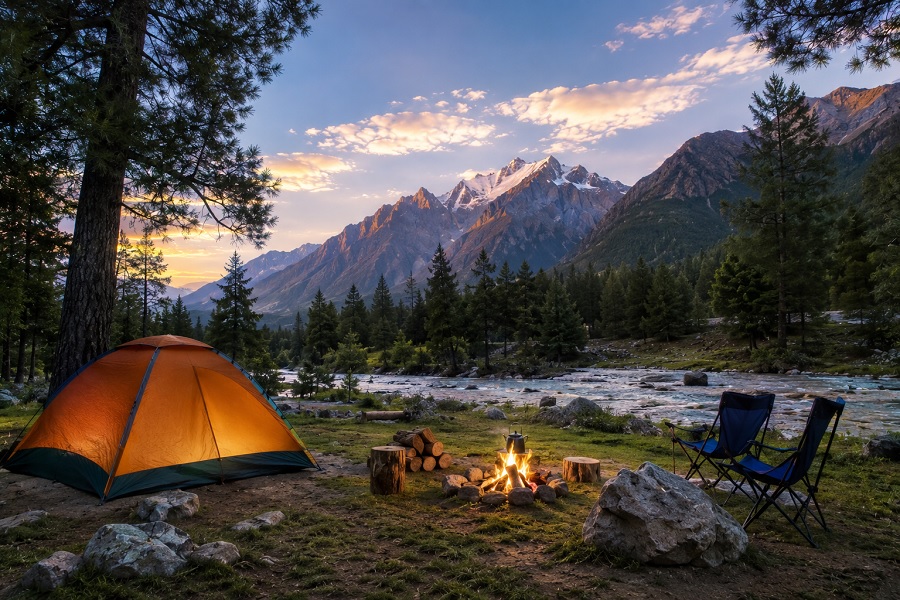
The Himalayan region offers some of India's most scenic camping opportunities. Himachal Pradesh, Uttarakhand, Jammu and Kashmir, and parts of the northeastern states provide mountain landscapes suitable for camping and trekking.
Popular experiences can include camping near valleys, forests, meadows, and mountain villages.
Desert Camping
Rajasthan is well known for desert tourism, particularly around the Thar Desert. Desert camps can offer visitors opportunities to experience sand dunes, traditional music, regional food, cultural performances, and sunset or sunrise views.
Jaisalmer is particularly associated with desert camping and cultural tourism.
Forest Camping
Forest camping provides travelers with opportunities to experience natural landscapes and wildlife habitats. Camps located near protected areas can offer nature walks, birdwatching, and guided outdoor activities.
Visitors should always follow park regulations and avoid disturbing wildlife.
Beach Camping
India's extensive coastline provides opportunities for beach and coastal camping in suitable designated areas. Goa, Karnataka, Maharashtra, Kerala, Odisha, and island destinations offer different coastal experiences.
Travelers should use authorized campsites and follow local rules because sensitive coastal ecosystems can be easily damaged.
Riverside Camping
Riverside camping can be an attractive option for travelers who enjoy scenic landscapes and outdoor activities. Rishikesh and other destinations offer camping-related experiences around river landscapes.
However, travelers should avoid unauthorized campsites in flood-prone areas and follow local safety instructions.
Glamping
Glamping combines the atmosphere of camping with greater comfort. Accommodation can include luxury tents, cottages, safari tents, domes, and other structures.
Facilities may include comfortable beds, private bathrooms, electricity, dining, Wi-Fi, and organized activities.
Camping Tourism in the Himalayas
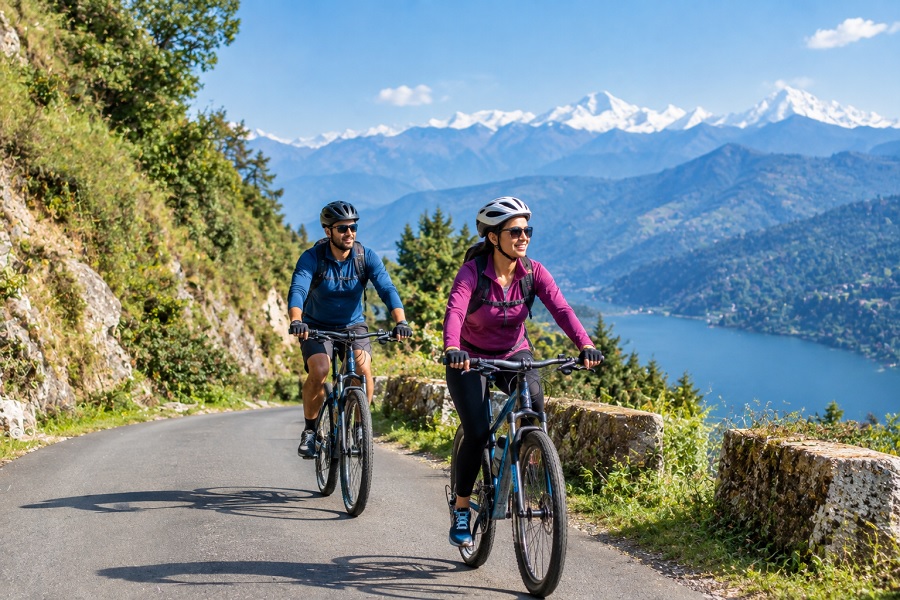
The Himalayan region is one of India's major adventure tourism areas. Camping can be combined with trekking, hiking, photography, village visits, mountain biking, and nature exploration.
Destinations in Himachal Pradesh and Uttarakhand are especially popular for outdoor stays. Travelers should consider altitude, weather, accessibility, and seasonal conditions before planning a mountain camping trip.
Camping in Rajasthan
Rajasthan offers a very different camping environment. Desert camps provide opportunities to experience the landscape and local culture.
A typical desert camping experience may include:
Camel rides
Dune excursions
Traditional music
Folk performances
Local cuisine
Sunset photography
Stargazing
Cultural activities
Visitors should choose camps that demonstrate responsible waste and water management, particularly in fragile desert environments.
Camping in Goa and Coastal India
Coastal camping can combine outdoor accommodation with beaches, water activities, local cuisine, and cultural experiences.
Travelers should check whether overnight camping is officially permitted at their chosen location. Beach environments are vulnerable to litter, plastic pollution, erosion, and disturbance to wildlife, so responsible practices are essential.
Family Camping in India
Camping can be an enjoyable family activity when the campsite provides appropriate facilities and safety arrangements.
Family-friendly camps may offer:
Comfortable tents
Clean bathrooms
Safe activity areas
Nature walks
Outdoor games
Campfire programs where permitted
Children's activities
Family dining
Guided excursions
Parents should consider weather conditions, sanitation, accessibility, and the age suitability of activities before booking.
Camping for Couples
Camping can also create memorable experiences for couples. Mountain views, desert sunsets, forest surroundings, and stargazing can provide a more intimate alternative to conventional accommodation.
Couples can choose from basic campsites, private tents, luxury glamping properties, and romantic nature retreats.
Adventure Activities
Camping destinations often serve as bases for outdoor activities such as:
Trekking
Hiking
Rock climbing
Ziplining
River rafting
Cycling
Kayaking
Wildlife safaris
Birdwatching
Nature photography
The availability of activities varies by location and season.
Camping and Wildlife Tourism
Some camps are located near national parks and wildlife reserves. These properties can provide convenient access to guided safaris and nature experiences.
Visitors should maintain a safe distance from animals, follow guide instructions, avoid feeding wildlife, and never leave food waste around campsites.
Sustainable Camping Tourism
Responsible camping is particularly important because many campsites are located in environmentally sensitive areas.
Eco-friendly camping practices can include:
Minimizing plastic use
Carrying reusable water bottles
Proper waste disposal
Avoiding single-use products
Using water responsibly
Protecting vegetation
Staying on designated trails
Avoiding disturbance to wildlife
Using authorized campsites
Following local environmental regulations
Travelers should leave natural areas as they found them, or better.
What to Pack for Camping
Packing requirements depend on the destination and season. Common essentials include:
Comfortable outdoor clothing
Warm layers for cold destinations
Comfortable walking shoes
Flashlight or headlamp
Personal toiletries
Reusable water bottle
Sunscreen
Insect protection
Basic first-aid supplies
Power bank
Rain protection when appropriate
Personal medications
Sleeping equipment when not provided by the campsite
Travelers should always check what the campsite already provides before packing.
Best Time for Camping in India
The ideal camping season varies considerably across India.
Mountain destinations generally have specific seasons when weather and road conditions are more suitable. Desert camping can be more comfortable during cooler months, while monsoon conditions may affect outdoor camping in several regions.
Before booking, travelers should check the destination's current weather, road conditions, campsite operating season, and local restrictions.
Camping Safety Tips
Safety should always be a priority during outdoor stays.
Travelers should:
Choose authorized and reputable campsites.
Check weather conditions before traveling.
Follow campsite instructions.
Keep food stored safely.
Avoid restricted or unstable areas.
Carry sufficient drinking water.
Use appropriate clothing and footwear.
Follow wildlife safety rules.
Avoid entering rivers or other water bodies without proper guidance.
Keep emergency contact information available.
Adventure activities should only be undertaken with qualified operators and appropriate safety equipment.
Camping and Local Communities
Camping tourism can support rural economies when camps employ local residents, purchase local products, and work with community-based guides and businesses.
Travelers can contribute by purchasing locally produced handicrafts, eating regional food, hiring local guides, and respecting local customs.
The Future of Camping Tourism in India
The future of Indian camping tourism is likely to include more diverse accommodation formats and improved outdoor experiences. Luxury glamping, eco-camps, family camps, wellness camps, adventure camps, and community-based camping can attract different types of travelers.
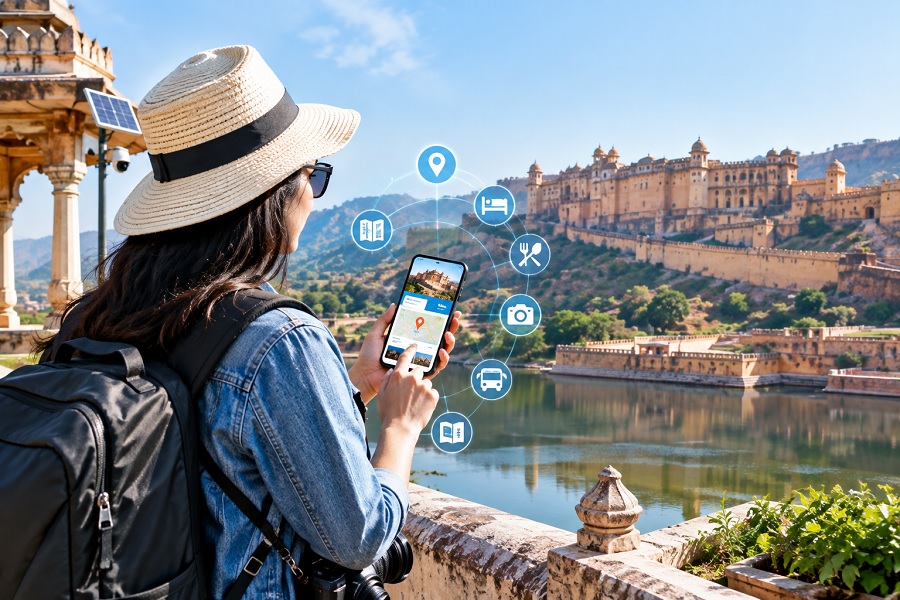
Technology is also changing the experience through online campsite reservations, digital maps, weather monitoring, contactless payments, and destination information.
At the same time, responsible development will be important. Growth in camping should not come at the cost of forests, beaches, rivers, wildlife habitats, or local communities.
Conclusion
Camping Tourism in India offers travelers an opportunity to explore the country's natural and cultural diversity in a more immersive way. From Himalayan valleys and Rajasthan's deserts to forests, beaches, rivers, and rural landscapes, camping can provide experiences that are very different from conventional hotel holidays.
With responsible planning, appropriate safety measures, environmental awareness, and respect for local communities, camping can become a sustainable and memorable form of Indian tourism in 2026.