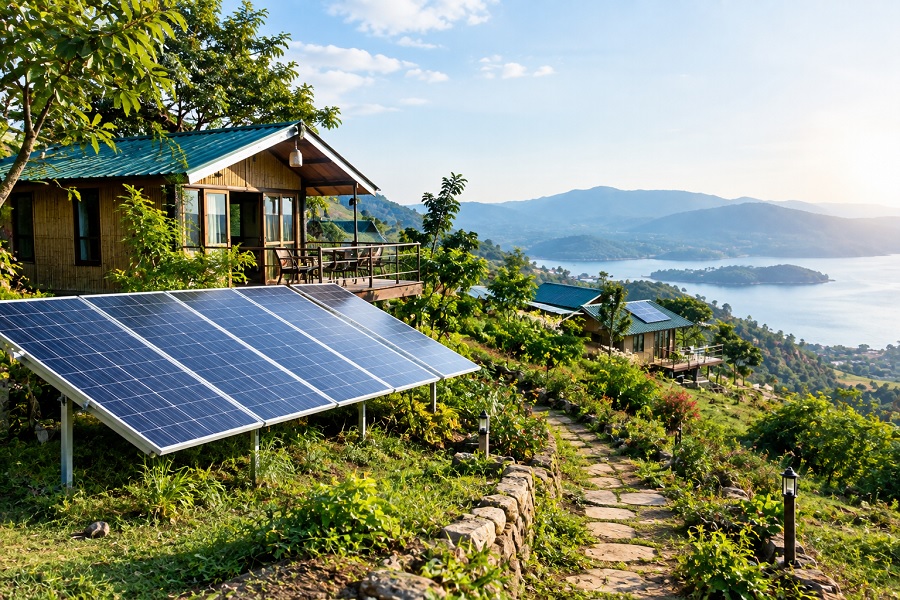
Bamboo Resorts Around the World: Sustainable Luxury in Nature’s Embrace
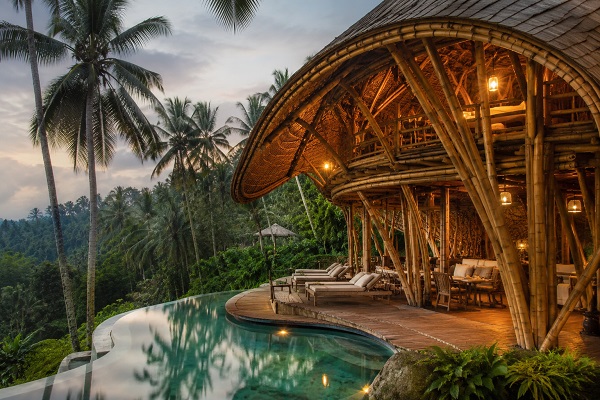
In an era where sustainable travel is becoming increasingly important, bamboo resorts have emerged as a perfect blend of luxury, comfort, and environmental responsibility. Built using one of the world's fastest-growing and most renewable resources, these unique resorts offer travelers an opportunity to reconnect with nature while minimizing their ecological footprint.
Why Bamboo Resorts Are Gaining Popularity
Bamboo has long been valued for its strength, flexibility, and sustainability. Unlike traditional timber, bamboo can mature in just three to five years, making it an eco-friendly building material. Architects and designers worldwide are embracing bamboo to create stunning structures that harmonize with natural landscapes.
Bamboo resorts provide guests with a unique experience that combines rustic charm with modern amenities. Their open-air designs, natural ventilation systems, and organic aesthetics create a peaceful atmosphere that enhances relaxation and well-being.
Remarkable Bamboo Resorts Around the World
Green Village, Bali, Indonesia
Nestled along the Ayung River, Green Village is famous for its breathtaking bamboo architecture. The handcrafted villas showcase the versatility of bamboo while offering luxurious accommodations surrounded by lush tropical forests.
Bambu Indah, Bali, Indonesia
A pioneer in sustainable hospitality, Bambu Indah combines traditional Indonesian design with eco-conscious practices. Guests enjoy bamboo houses, organic gardens, and natural swimming pools that blend seamlessly with the environment.
Keemala, Phuket, Thailand
Known for its extraordinary bamboo-inspired villas, Keemala offers an immersive nature experience. The resort focuses on wellness, sustainability, and preserving local culture while providing world-class hospitality.
Ulaman Eco Luxury Resort, Bali, Indonesia
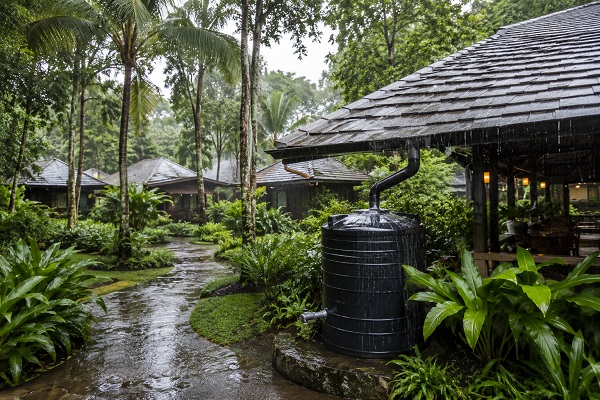
This eco-resort features stunning bamboo structures, renewable energy systems, and sustainable water management practices. Its innovative design demonstrates how luxury tourism can coexist with environmental stewardship.
The Bamboo Retreat Hotel, Gangtok, India
Located in the scenic hills of Sikkim, this eco-friendly property incorporates bamboo into its architecture and décor while promoting local culture, sustainable tourism, and organic living.
Environmental Benefits of Bamboo Resorts
Reduced Carbon Footprint
Bamboo absorbs significant amounts of carbon dioxide and releases more oxygen than many tree species, helping combat climate change.
Renewable Construction Material
Since bamboo grows rapidly and regenerates naturally, it reduces pressure on forests and supports sustainable building practices.
Energy Efficiency
Many bamboo resorts utilize natural ventilation and lighting, reducing the need for artificial cooling and electricity consumption.
Support for Local Communities
Bamboo construction often involves local artisans and craftsmen, generating employment opportunities and preserving traditional building techniques.
The Unique Guest Experience
Staying in a bamboo resort offers much more than accommodation. Guests often participate in activities such as nature walks, organic farming, yoga sessions, wildlife observation, and cultural workshops. The serene environment encourages mindfulness and a deeper appreciation for nature.
The natural textures, earthy tones, and innovative architectural designs create spaces that feel both luxurious and environmentally conscious. Many visitors describe bamboo resorts as a refreshing escape from urban life.
The Future of Bamboo Hospitality
As travelers increasingly seek sustainable experiences, bamboo resorts are likely to become even more popular. Advances in bamboo engineering and eco-friendly design continue to push the boundaries of sustainable architecture, making bamboo an important material for the future of tourism.
By choosing bamboo resorts, travelers contribute to responsible tourism while enjoying unforgettable experiences in some of the world's most beautiful natural settings. These remarkable destinations demonstrate that luxury and sustainability can thrive together, offering a model for the future of eco-tourism.