Anjali Mudra: A Simple Yoga Gesture That Helps Strengthen the Heart and Lungs
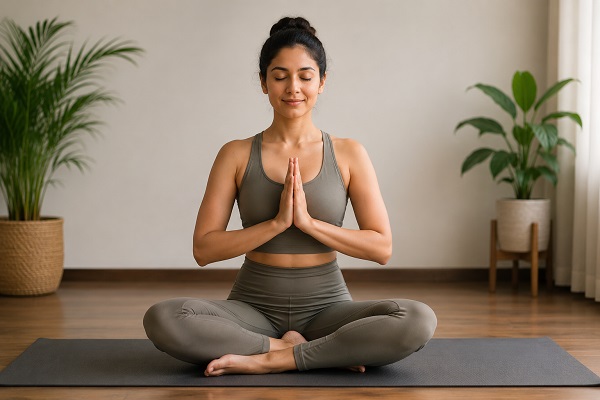
Anjali Mudra is one of the simplest yet most powerful hand gestures in yoga. Commonly seen as a gesture of greeting or prayer (like “Namaste”), this mudra goes beyond symbolism. It has a calming effect on the mind and is believed to support heart health and lung function by improving breathing patterns, reducing stress, and balancing the body’s energy.
In traditional yogic practices associated with the broader system of yoga from the Indian subcontinent, Anjali Mudra is considered a grounding posture that helps bring harmony between body and mind.
What is Anjali Mudra?
Anjali Mudra is performed by joining both palms together in front of the chest, fingers pointing upward, and gently pressing the hands together. The gesture is often accompanied by deep breathing or meditation.
It is also known as the “Namaste gesture” and is commonly used in yoga, prayer, and mindfulness practices.
How Anjali Mudra Benefits the Heart
Anjali Mudra supports heart health indirectly through relaxation and emotional balance:
Reduces stress and anxiety, which are major contributors to heart issues
Promotes a calm mental state, helping stabilize blood pressure
Encourages mindfulness, which improves emotional well-being
Activates a sense of gratitude and positivity
When stress levels decrease, the heart functions more efficiently, reducing strain on the cardiovascular system.
How It Strengthens the Lungs
This mudra is often paired with slow, deep breathing, which benefits the respiratory system:
Encourages deep diaphragmatic breathing
Improves oxygen intake and lung capacity
Helps clear mental tension that restricts breathing
Supports better posture, allowing lungs to expand fully
With regular practice, it can improve breathing efficiency and overall respiratory health.
Impact on Mind and Nervous System
Anjali Mudra also has a powerful effect on the nervous system:
Activates the parasympathetic nervous system (rest and relaxation mode)
Reduces mental fatigue and stress
Improves concentration and focus
Promotes emotional balance and inner peace
This calming effect indirectly supports both heart and lung health.
How to Practice Anjali Mudra Correctly
Sit comfortably in a cross-legged position or on a chair
Keep your spine straight and shoulders relaxed
Bring both palms together at the center of your chest
Close your eyes if comfortable
Take slow, deep breaths for 2–5 minutes
Focus on calmness and steady breathing
When to Practice It
Early morning for a calm start to the day
Before meditation or yoga practice
During stressful situations to regain balance
Before sleep to relax the mind
Final Thoughts
Anjali Mudra may look simple, but its impact on the body and mind is profound. By reducing stress, improving breathing, and promoting relaxation, it supports overall wellness—including the health of the heart and lungs. Practicing it regularly can be a small yet powerful step toward a healthier lifestyle.