How to Choose the Right Outfit for Every Occasion
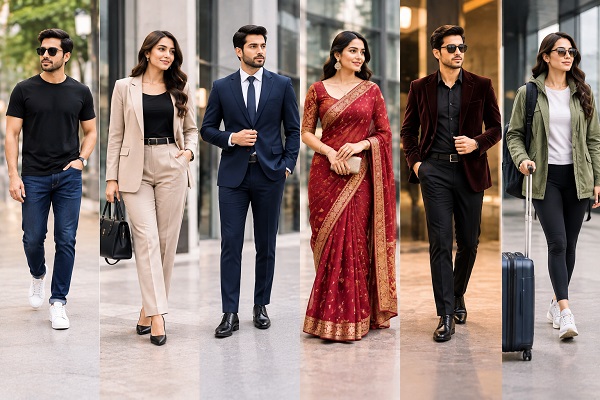
Choosing the right outfit is not just about following fashion trends. The best outfit depends on **where you are going, what the occasion is, the time of day, the weather, and how formal the event is**. A well-chosen outfit can make you look confident, comfortable, and appropriately dressed.
Understand the Occasion
The first step is to understand the dress code. An outfit that works for a casual lunch may not be suitable for a business meeting or wedding.
Think about whether the occasion is:
* Casual
* Smart casual
* Formal
* Business
* Traditional
* Party or evening
* Wedding or celebration
* Outdoor or travel
When you're unsure, it is usually better to dress slightly more formally rather than being noticeably underdressed.
Casual Outfits
Casual occasions give you more freedom to experiment with your style.
For everyday outings, you can choose:
* Well-fitted T-shirts
* Jeans or chinos
* Casual shirts
* Sneakers
* Comfortable trousers
* Simple accessories
You don't need expensive clothes to create a good casual look. Focus on **fit, cleanliness, and color coordination**.
A simple combination such as a plain T-shirt, well-fitted jeans, and clean sneakers can work for shopping, meeting friends, or casual outings.
Smart Casual Outfits
Smart casual sits between casual and formal dressing.
Good options include:
* Polo shirts
* Button-down shirts
* Chinos
* Dark jeans
* Blazers
* Loafers
* Clean sneakers
Smart casual works well for restaurants, casual business events, dates, and social gatherings where a formal suit would feel excessive.
## Office and Business Outfits
Workwear should look professional while remaining comfortable enough for a full working day.
Depending on your workplace, suitable options can include:
* Formal shirts
* Trousers
* Blazers
* Formal shoes
* Simple watches
* Structured handbags or work bags
Avoid overly flashy prints, excessive accessories, or clothing that looks too casual unless your workplace has a relaxed dress code.
For important meetings or presentations, slightly more formal clothing can help create a professional impression.
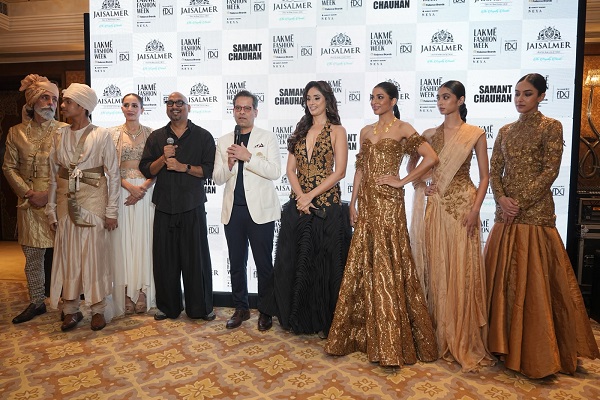
Weddings and Celebrations
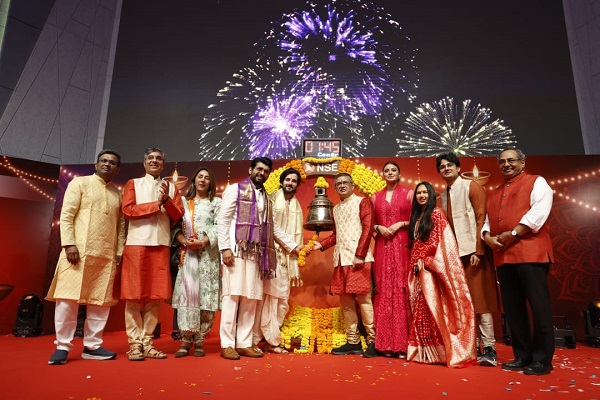
Weddings are an opportunity to dress up, but your outfit should also respect the type of ceremony and cultural setting.
For Indian weddings, options can include:
* Sarees
* Anarkalis
* Lehengas
* Kurtas
* Sherwanis
* Bandhgalas
* Elegant ethnic sets
For less formal wedding events, you can choose lighter fabrics and simpler designs. For evening receptions, richer colors and more polished accessories can work well.
Date Night Outfits
For a date, the goal should be to look polished without appearing like you're trying too hard.
A good approach is to choose an outfit that reflects your personal style while being appropriate for the location.
For example:
**Casual restaurant:**
Jeans + shirt/top + clean sneakers
**Fine dining:**
Dress or smart trousers + blouse/shirt + formal shoes
**Outdoor date:**
Comfortable clothing + practical footwear + weather-appropriate layers
Party and Evening Outfits
Evening events generally allow more experimentation with fashion.
You can consider:
* Statement pieces
* Darker colors
* Elegant dresses
* Stylish shirts
* Blazers
* Dressy footwear
* Minimal but noticeable accessories
However, the venue matters. A nightclub, dinner party, and formal cocktail event can all have very different dress expectations.
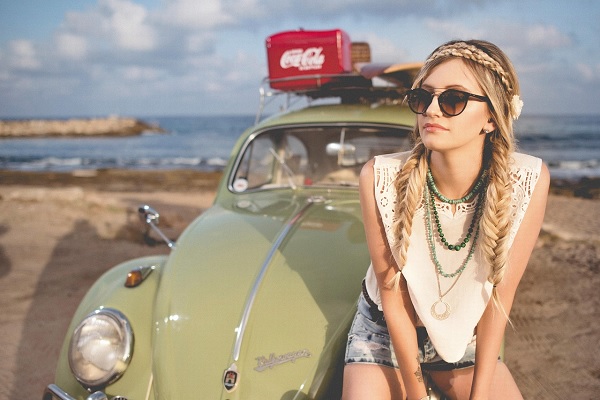
Travel and Outdoor Outfits
Comfort becomes especially important when travelling.
Choose clothing based on:
* Weather
* Walking requirements
* Destination
* Duration of travel
* Local culture
Breathable fabrics work well in hot weather, while layering is useful in colder destinations.
Comfortable footwear is particularly important if you'll be walking extensively.
Match Your Outfit to the Weather
Weather can completely change what works.
Summer
Choose breathable fabrics such as cotton and linen. Lighter colors can also make an outfit feel more suitable for hot weather.
Winter
Layering is the key. Combine shirts, sweaters, jackets, coats, and other layers depending on the temperature.
Monsoon
Choose quick-drying fabrics and practical footwear. Avoid outfits that become difficult to manage when exposed to rain.
## Choose Colors Carefully
You don't need complicated color theory to dress well.
Start with neutral colors such as:
* Black
* White
* Navy
* Grey
* Beige
* Brown
Then add one or two accent colors.
For example, a neutral outfit paired with a colorful bag, shoes, scarf, or jacket can create a more interesting look without becoming overwhelming.
Focus on Fit
Even expensive clothing can look bad if it doesn't fit properly.
Pay attention to:
* Shoulder width
* Sleeve length
* Trouser length
* Waist fit
* Overall proportions
The right fit usually makes a bigger difference than the brand name on the clothing.
Don't Ignore Footwear
Shoes can completely change the impression of an outfit.
Sneakers work well with casual clothing, while loafers, formal shoes, boots, or dressier footwear may be better suited to formal occasions.
Always consider whether your footwear matches the **formality and practicality** of the event.
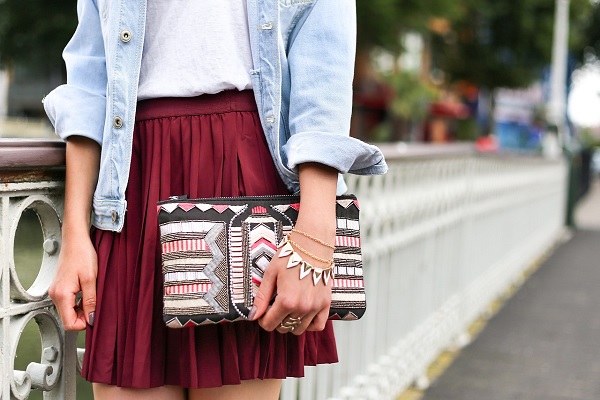
Consider Accessories
Accessories should complement your outfit rather than dominate it.
Depending on the occasion, you might choose:
* Watches
* Belts
* Sunglasses
* Handbags
* Jewelry
* Scarves
* Minimal bracelets
For formal occasions, keeping accessories refined and coordinated usually works best.
Dress for Your Personal Style
Following trends can be fun, but you don't need to copy every fashion trend.
The best outfit is one that makes you feel comfortable and confident.
Build your wardrobe around pieces that match your lifestyle, body proportions, preferred colors, and the occasions you regularly attend.
Final Thoughts
Choosing the right outfit becomes much easier when you stop thinking only about **what looks fashionable** and start considering **where you're going, what you'll be doing, and how formal the occasion is**.
A simple formula works for most situations:
**Occasion + Dress Code + Weather + Fit + Comfort + Personal Style = The Right Outfit**
You don't need hundreds of clothes to dress well. A well-organized wardrobe with versatile pieces can help you create appropriate outfits for almost any occasion.