Handloom Fashion: How Traditional Indian Textiles Are Finding a Place in Modern Wardrobes
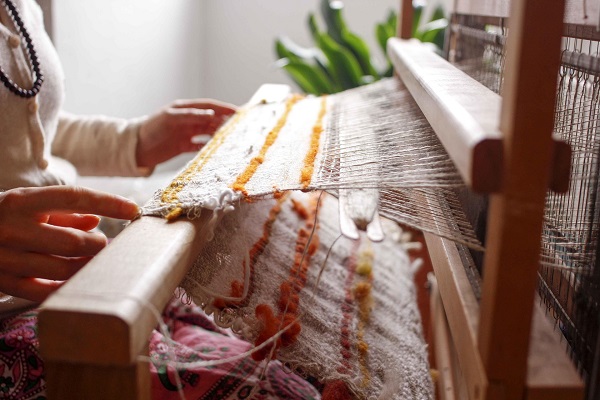
India has a rich textile heritage, with traditional handloom fabrics representing centuries of craftsmanship, regional identity, and cultural diversity. From Banarasi silk and Kanjivaram sarees to Chanderi, Ikat, and Jamdani, these textiles are gaining renewed attention as designers and consumers explore ways to combine traditional craftsmanship with contemporary fashion.
One of the key factors driving this interest is the growing appreciation for handmade clothing. Unlike mass-produced fabrics, handloom textiles are created using traditional weaving techniques that require skill, patience, and attention to detail. Each fabric often carries distinctive patterns, textures, and designs associated with its region of origin.
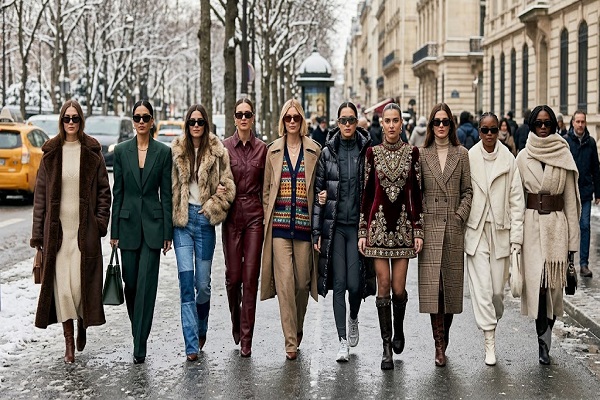
Modern fashion designers are introducing traditional fabrics into contemporary collections. Handloom materials are being used to create dresses, jackets, shirts, trousers, scarves, and fusion outfits that appeal to consumers looking for distinctive styles. This approach allows traditional textiles to become part of everyday wardrobes rather than remaining limited to festivals and formal occasions.
The handloom sector also plays an important role in supporting artisan communities. Weavers and small-scale producers contribute to local employment while preserving traditional skills passed down through generations. Greater consumer interest can create opportunities for these communities to reach wider markets.
E-commerce platforms and social media have further expanded the visibility of handloom fashion. Consumers can discover regional textiles, explore independent labels, and purchase handcrafted products from different parts of the country.
However, challenges such as competition from machine-made fabrics, limited market access, changing consumer preferences, and inconsistent earnings continue to affect many traditional weaving communities.
Ultimately, handloom fashion represents a meaningful connection between cultural heritage and modern style. By bringing traditional textiles into contemporary wardrobes, the fashion industry can celebrate Indian craftsmanship while creating new opportunities for artisans and designers.