Fashion Industry: How Changing Trends and Consumer Preferences Are Shaping Modern Style
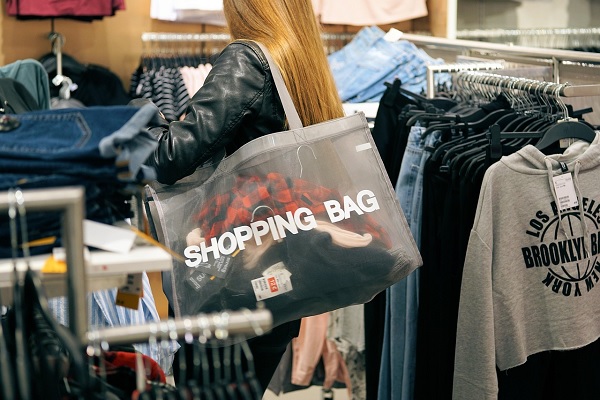
The fashion industry is undergoing a significant transformation as changing consumer preferences, digital platforms and evolving lifestyles influence the way people dress. Fashion is no longer limited to seasonal trends or luxury brands. It has become a form of personal expression, cultural identity and creative innovation.
The Rise of Personal Style
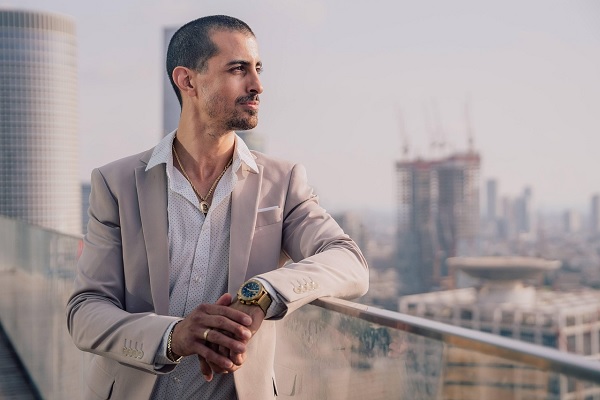
Modern consumers are increasingly focusing on individual style rather than simply following popular fashion trends. From casual streetwear and minimalist outfits to traditional clothing and premium designer collections, people are exploring different ways to express their personalities.
Comfort, versatility and practicality are also becoming important considerations when selecting everyday clothing. Consumers are looking for outfits that can easily transition between professional, social and casual settings.
Sustainable Fashion Gains Attention
Environmental awareness is influencing purchasing decisions across the fashion industry. Fast fashion has raised concerns about textile waste, excessive production and resource consumption.
In response, sustainable fashion is gaining attention through recycled fabrics, organic materials, ethical manufacturing and clothing resale platforms. Brands are increasingly exploring ways to reduce their environmental footprint while meeting changing customer expectations.
Technology Is Transforming Fashion Retail
Technology is changing how consumers discover, explore and purchase fashion products. E-commerce platforms, virtual try-ons, artificial intelligence and personalised recommendations are creating more convenient shopping experiences.
Social media platforms and fashion influencers also play an important role in shaping consumer preferences. Digital campaigns allow brands to reach wider audiences, introduce new collections and connect directly with customers.
The Growing Influence of Indian Fashion
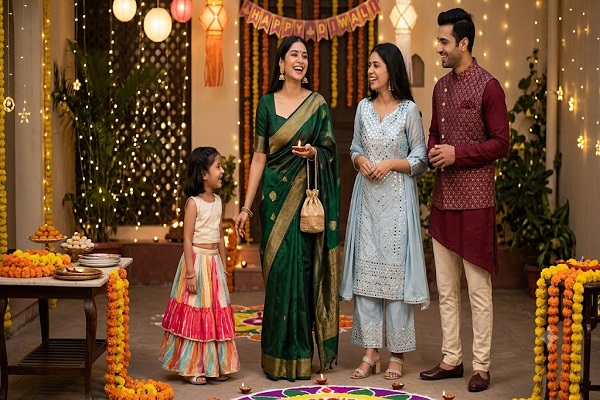
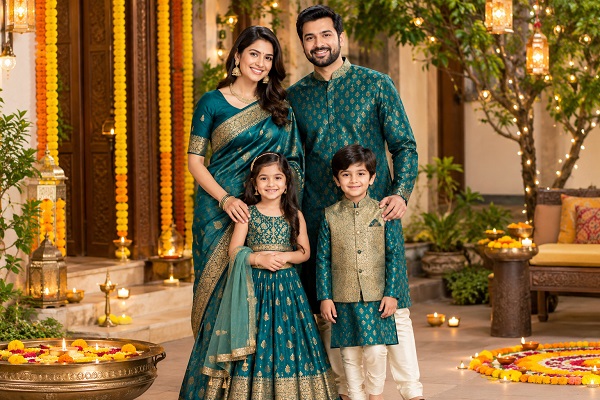
India's fashion industry reflects a unique combination of traditional craftsmanship and contemporary design. Handloom textiles, regional embroidery, ethnic wear and modern fusion clothing continue to attract attention among consumers.
Designers are increasingly blending traditional techniques with modern silhouettes, creating clothing that appeals to different age groups and fashion preferences. The growing interest in homegrown labels is also providing opportunities for emerging designers and local businesses.
Fashion Beyond Appearance
Fashion is becoming more closely connected with individuality, confidence and lifestyle choices. Consumers are placing greater importance on clothing quality, durability and value rather than focusing exclusively on brand names.
The industry's future will be shaped by its ability to combine creativity, innovation and responsible production. As consumer expectations continue to evolve, fashion will remain an important reflection of changing culture, technology and personal identity.