Amazon Rainforest Tourism
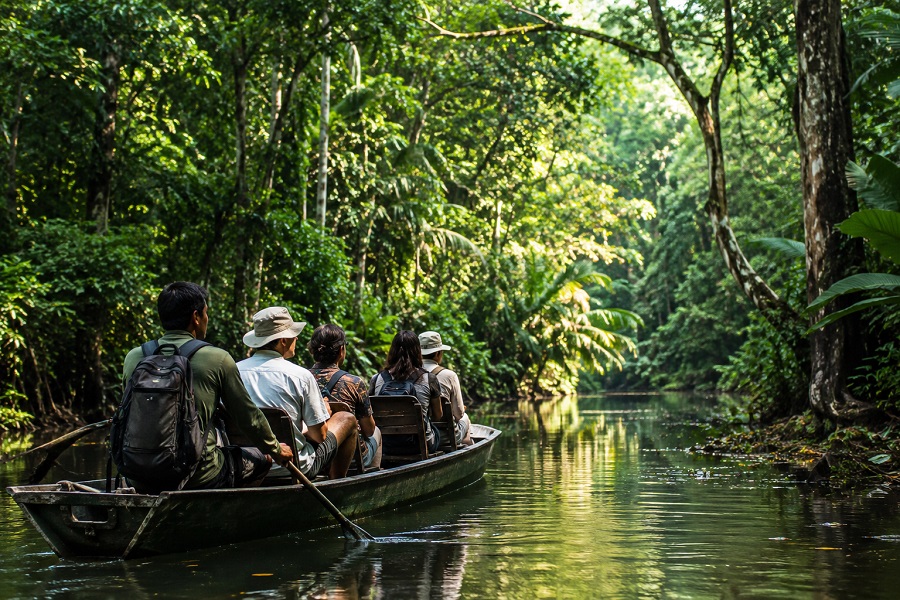
Amazon Rainforest Tourism: A Deep Dive into the World’s Greatest Living Ecosystem
The Amazon Rainforest is often called the “lungs of the Earth,” and for good reason. Spanning across several South American countries, including Brazil, Peru, Colombia, and Ecuador, it is the largest tropical rainforest on the planet. Amazon rainforest tourism offers travelers a rare chance to experience one of the most biodiverse and untouched natural environments in the world.
What Makes Amazon Tourism Special
Amazon tourism is not just about sightseeing. It’s about immersion. Visitors enter a world where nature dominates every sense.
Dense green canopy stretching endlessly
Unique wildlife like jaguars, pink river dolphins, macaws, and sloths
Indigenous communities with centuries-old traditions
Vast river systems that act like natural highways
Rare medicinal plants found nowhere else on Earth
Unlike typical travel destinations, the Amazon feels alive in a very raw and powerful way.
Popular Activities in Amazon Rainforest Tourism
1. River Cruises
Travelers explore deep jungle regions using boats along the Amazon River and its tributaries. These cruises range from luxury eco-lodges to basic exploration vessels.
2. Jungle Trekking
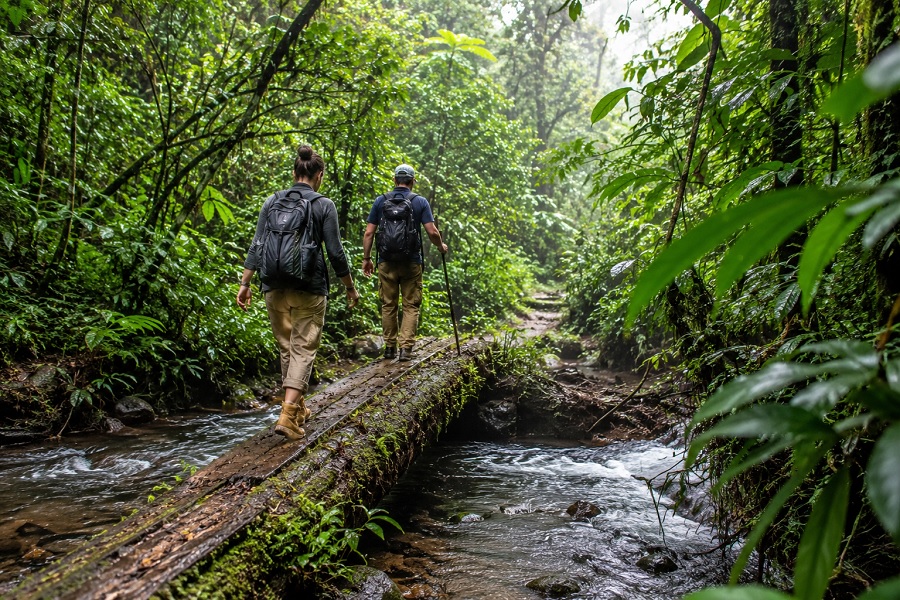
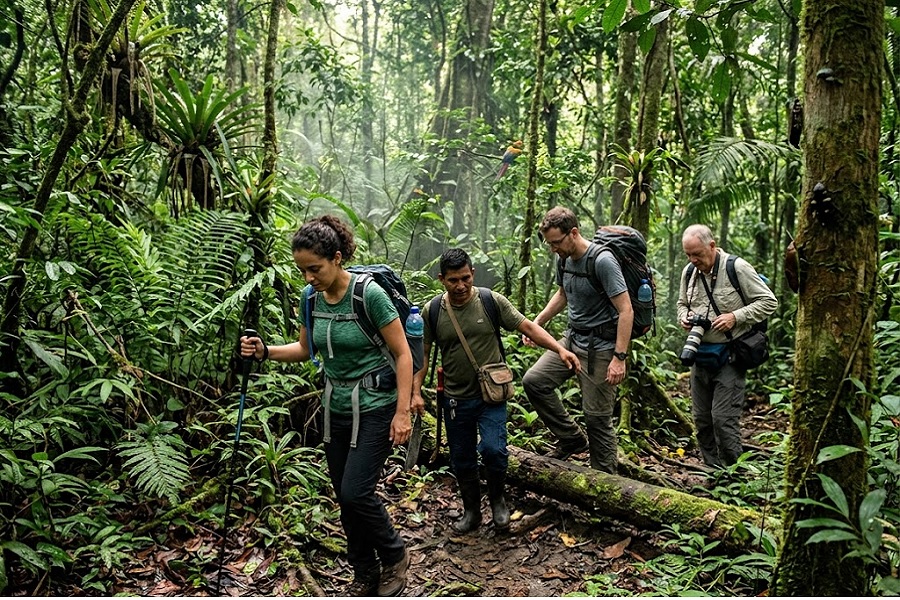
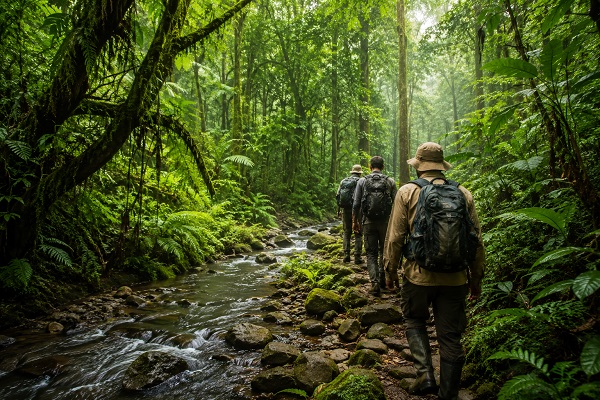
Guided treks take visitors through dense forest trails where expert guides explain medicinal plants, animal tracks, and survival techniques.
3. Wildlife Watching
Early mornings and nights are the best times to spot wildlife such as monkeys, toucans, caimans, and exotic insects.
4. Canopy Walks
Suspended bridges high above the forest floor give a breathtaking view of the rainforest layers.
5. Indigenous Village Visits
Tourists can learn about traditional lifestyles, crafts, and sustainable living practices from indigenous tribes.
Eco-Tourism and Conservation
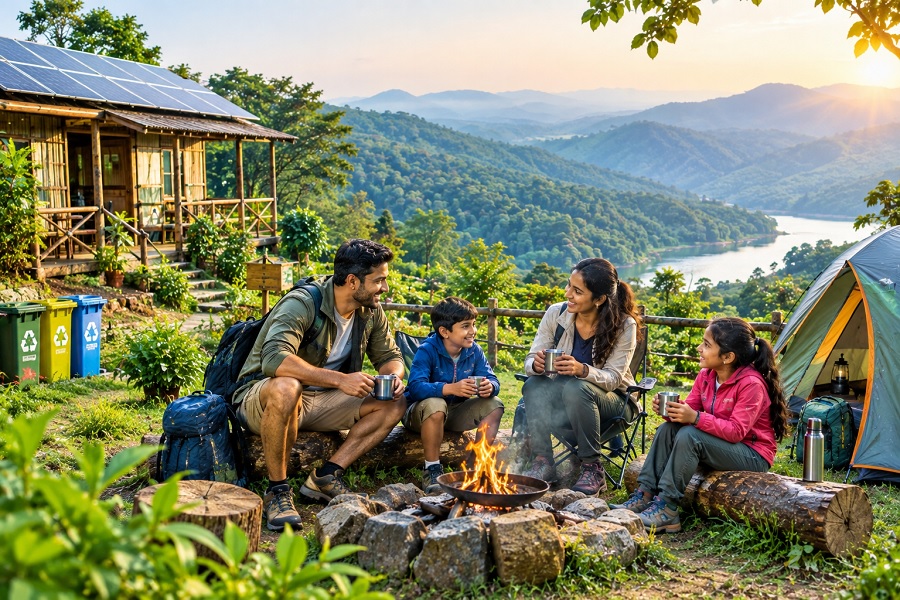
Amazon rainforest tourism plays a major role in conservation efforts when done responsibly. Many eco-lodges and tour operators now follow strict sustainability rules:
Minimal environmental impact lodging
Waste reduction systems
Use of solar energy in remote areas
Support for local communities
Wildlife protection initiatives
Responsible tourism helps fund conservation and gives local communities an alternative to deforestation-based income.
Challenges Facing Amazon Tourism
Despite its beauty, the Amazon faces serious threats:
Deforestation and illegal logging
Climate change effects
Habitat loss for endangered species
Over-tourism in certain regions
Pollution in river systems
Tourists are encouraged to choose certified eco-tourism operators to ensure their visit supports conservation.
Best Time to Visit the Amazon
The Amazon can be visited year-round, but experiences vary:
Wet season: Higher river levels, boat access deep into flooded forests
Dry season: Easier trekking and better wildlife spotting
Each season offers a different perspective of the ecosystem.
Travel Tips for Amazon Rainforest Tourism
Always travel with a certified local guide
Pack lightweight, waterproof clothing
Use eco-friendly insect repellent
Avoid single-use plastics
Respect wildlife and local customs
Stay in eco-certified lodges
Conclusion
Amazon rainforest tourism is more than a trip—it is an encounter with the planet’s most complex ecosystem. It offers adventure, education, and a deep appreciation for nature’s balance. With responsible travel practices, visitors can help preserve this incredible environment for future generations.