Women's Education: Empowering Lives Through Learning and Opportunity
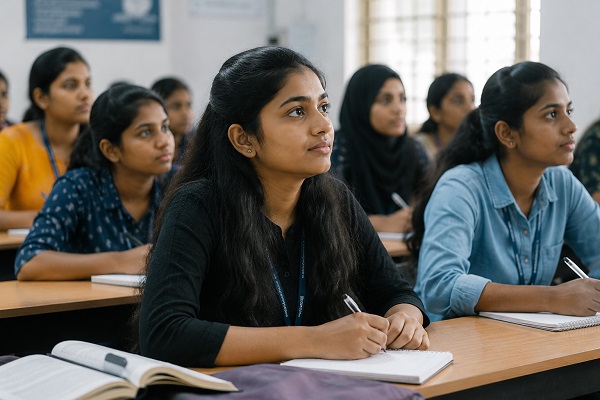
Education is one of the most powerful tools for personal growth, economic development, and social progress. For women, access to quality education opens doors to greater opportunities, improved health, financial independence, and stronger participation in society. When women are educated, the benefits extend beyond individuals-they positively influence families, communities, and future generations.
Although access to education has improved significantly in many parts of the world, ensuring equal educational opportunities for women remains an important goal.
Why Women's Education Matters
Education equips women with knowledge, skills, and confidence to make informed decisions throughout their lives. It enhances career prospects, promotes independence, and encourages active participation in civic and economic activities.
An educated woman is more likely to:
* Build a successful career.
* Make informed financial decisions.
* Support the education of future generations.
* Contribute to community development.
* Develop leadership and problem-solving skills.
* Improve overall quality of life.
These outcomes create long-term benefits for both individuals and society.
The Link Between Education and Economic Growth
Women's education plays a significant role in strengthening the workforce and supporting economic development. As more women gain access to higher education and professional training, they contribute to innovation, entrepreneurship, and productivity across industries.
Many sectors-including healthcare, education, technology, finance, engineering, and business-benefit from diverse perspectives and skilled professionals.
Investing in women's education helps create a more inclusive and competitive economy.
Building Confidence and Independence
Education helps women develop critical thinking, communication, and decision-making abilities. These skills support greater self-confidence and prepare individuals to pursue personal and professional goals.
Learning also encourages lifelong curiosity, adaptability, and resilience-qualities that are increasingly valuable in a rapidly changing world.
Expanding Career Opportunities
Higher levels of education often provide access to a wider range of careers.
Women today are making significant contributions in fields such as:
* Science and research
* Technology
* Medicine
* Law
* Business management
* Finance
* Public administration
* Media
* Design
* Entrepreneurship
Continuous learning through certifications, online courses, and professional development also helps women adapt to evolving workplace demands.
Education and Financial Literacy
Education supports informed financial decision-making by introducing concepts such as budgeting, saving, investing, taxation, and responsible borrowing.
Financial literacy enables women to:
* Plan for long-term goals.
* Manage household finances effectively.
* Build savings.
* Invest wisely.
* Prepare for retirement.
* Make confident financial decisions.
Strong financial knowledge contributes to greater economic security and independence.
The Role of Technology in Learning
Digital technology has transformed access to education. Online learning platforms, virtual classrooms, and educational resources have made it easier for women to learn new skills regardless of location.
Popular areas of online learning include:
* Programming
* Digital marketing
* Graphic design
* Artificial intelligence
* Data analysis
* Business management
* Language learning
* Personal finance
Flexible online education allows many women to balance learning with work and family responsibilities.
Encouraging Leadership
Education helps develop leadership qualities by strengthening communication, analytical thinking, teamwork, and problem-solving skills.
Women with strong educational backgrounds increasingly take leadership roles in:
* Businesses
* Government
* Research institutions
* Educational organizations
* Non-profit initiatives
* Startups
Greater representation in leadership contributes to more diverse perspectives and inclusive decision-making.
Lifelong Learning
Education does not end after school or university. Lifelong learning enables women to remain competitive in changing industries and adapt to new technologies.
Ways to continue learning include:
* Professional certifications
* Online courses
* Industry seminars
* Reading books
* Mentorship programs
* Skill development workshops
Continuous learning supports career advancement and personal growth at every stage of life.
Supporting Equal Educational Opportunities
Creating equal access to quality education involves the combined efforts of families, educators, communities, governments, and private organizations.
Important areas of focus include:
* Access to quality schools
* Digital learning opportunities
* Scholarships and financial assistance
* Safe learning environments
* Career guidance
* Skill-based education
* Technology access
These initiatives help ensure that more women can pursue their educational aspirations.
Education Beyond the Classroom
Learning extends beyond formal education. Practical life skills such as communication, financial management, digital literacy, critical thinking, and emotional intelligence are equally valuable.
These skills prepare women to navigate both professional and personal responsibilities with confidence.
Final Thoughts
Women's education is an investment in people, communities, and the future. By expanding access to knowledge, skills, and lifelong learning opportunities, education empowers women to achieve their goals, contribute meaningfully to society, and inspire future generations.
As technology continues to reshape education and the global workforce evolves, continuous learning will remain one of the most valuable tools for personal success and sustainable development. Supporting women's education is not only about creating equal opportunities-it is about building stronger families, more resilient communities, and a more prosperous future for everyone.


.jpg)