Why More Women Are Choosing Strength Training and Weightlifting
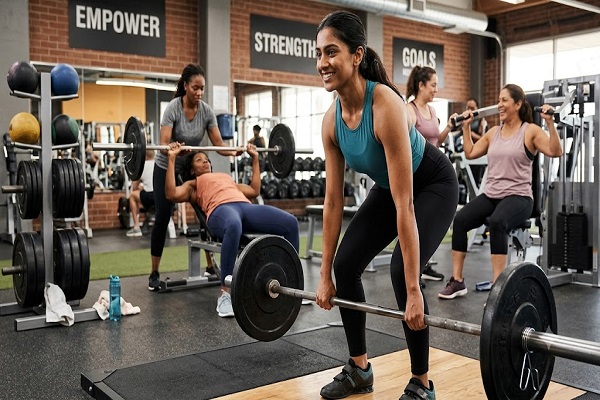
Strength training and weightlifting are becoming increasingly popular among women, marking a shift in how fitness and wellness are viewed. Traditionally, many women focused mainly on cardio exercises, yoga and activities aimed at weight loss. Today, more women are incorporating resistance training into their fitness routines to build strength, improve physical health and develop long-term fitness habits.
From gyms and fitness studios to home workout spaces, strength training is gaining attention among women of different age groups. The growing awareness of its physical and mental health benefits is encouraging more women to move beyond conventional fitness routines.
Growing Awareness of Strength Training Benefits
One of the major reasons behind the popularity of strength training is its wide range of health benefits. Resistance exercises such as squats, lunges, push-ups, deadlifts and weightlifting help strengthen muscles and improve overall physical performance.
Regular strength training can also support bone health, improve balance and help maintain muscle mass. These benefits are particularly important as women grow older, when maintaining muscle strength and bone density becomes increasingly significant.
According to established physical activity guidelines, adults should include muscle-strengthening activities involving major muscle groups on at least two days a week.
Supporting Weight Management and Metabolism
Many women are choosing weightlifting as part of their weight-management plans. Unlike exercise routines that focus only on burning calories during a workout, strength training helps build and maintain lean muscle mass.
Muscle tissue uses energy even at rest, although the effect of additional muscle on daily calorie expenditure is relatively modest. Combining resistance exercises with balanced nutrition and regular physical activity can support healthier body composition over time.
Strength training also helps improve physical fitness without making weight loss the only measure of progress.
Breaking the Myth That Weightlifting Makes Women Bulky
A common misconception is that lifting heavy weights automatically makes women bulky. However, developing significant muscle size generally requires sustained training, appropriate nutrition and individual genetic factors.
Women naturally have lower average testosterone levels than men, which can influence muscle development. This does not mean women cannot build muscle; rather, strength training can help them develop stronger, more defined muscles according to their training goals.
The focus is increasingly shifting from simply losing weight to becoming stronger, healthier and more physically capable.
Improving Bone Health and Reducing Age-Related Muscle Loss
Bone health is an important reason for women to consider resistance training. Weight-bearing and muscle-strengthening exercises place beneficial stress on bones, helping support bone strength.
This becomes particularly relevant with age and around menopause, when hormonal changes can accelerate bone loss.
Strength training can also help reduce age-related muscle decline, improve mobility and support independence in everyday activities. Women should choose exercises suitable for their fitness levels and medical conditions.
Mental Health and Confidence Benefits
The benefits of strength training are not limited to physical fitness. Regular exercise can support mental well-being, improve mood and help manage everyday stress.
Many women also report feeling more confident as they achieve fitness milestones, increase the weights they can lift and notice improvements in their physical abilities.
Setting realistic goals and tracking progress can make exercise more rewarding while encouraging consistency.
Home Workouts Are Making Strength Training More Accessible
Another factor contributing to the trend is the growing availability of home workout options. Women who have limited time or prefer exercising at home can begin with bodyweight movements, resistance bands and light dumbbells.
Some effective beginner-friendly exercises include:
Squats to strengthen the lower body.
Wall or knee push-ups to develop upper-body strength.
Glute bridges to target the hips and glutes.
Resistance-band rows to strengthen the back.
Planks to improve core stability.
Beginners should focus on proper technique and controlled movements before increasing resistance.
How Women Can Start Weightlifting Safely
Starting a strength-training routine does not require lifting heavy weights immediately. A gradual approach can help women build confidence and reduce the risk of injuries.
Some useful guidelines include:
Start with bodyweight exercises or light resistance.
Learn the correct technique before increasing weights.
Train major muscle groups at least twice a week, allowing adequate recovery.
Include warm-up exercises before each workout.
Maintain a balanced diet with sufficient protein and other essential nutrients.
Increase resistance gradually as strength improves.
Stop exercising if sharp pain, dizziness or unusual discomfort occurs.
Women who are pregnant, recovering from an injury or managing an existing medical condition should seek appropriate professional guidance before starting a new exercise programme.
The Future of Women's Fitness
Strength training is becoming an important part of the wider women's fitness movement. More gyms are offering beginner-friendly programmes, women-focused strength classes and personal training support.
Social media and online fitness communities are also helping challenge outdated beliefs about women and weightlifting. However, fitness information should be evaluated carefully, and exercise routines should be based on individual needs rather than unrealistic online standards.
Conclusion
The growing interest in strength training reflects a broader change in women's approach to health and fitness. Instead of focusing exclusively on appearance or weight loss, many women are prioritising strength, bone health, mobility and confidence.
With proper technique, consistent practice and realistic goals, weightlifting can become a valuable part of a healthy lifestyle. As awareness continues to grow, strength training is likely to remain an important fitness choice for women across different age groups.