Why Is It Important to Soak Rice Before Cooking? Learn Its Health Benefits
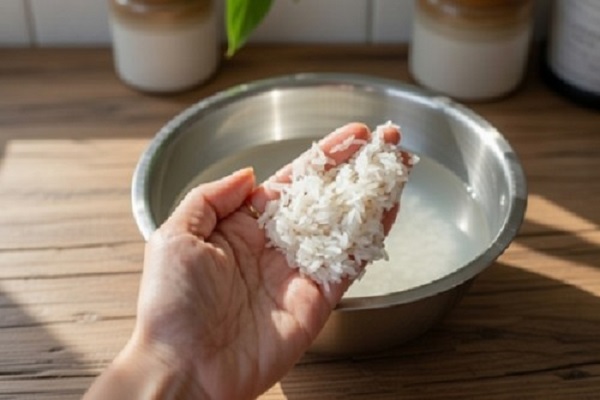
Rice is a staple food in many cultures around the world and is consumed daily in millions of households. While most people focus on how rice is cooked, few pay attention to an important step that can significantly improve its nutritional value and digestibility—soaking the rice before cooking. This simple kitchen practice has been followed for generations and offers several health and cooking benefits.
Improves Digestibility
One of the main reasons for soaking rice is that it becomes easier to digest. Rice contains certain compounds like phytic acid, which can interfere with digestion and nutrient absorption. When rice is soaked in water for about 20–30 minutes before cooking, these compounds begin to break down. As a result, the cooked rice becomes lighter on the stomach and easier for the body to process.
Helps Absorb Nutrients Better
Soaking rice helps reduce the amount of phytic acid present in the grains. Phytic acid is known to block the absorption of essential minerals such as iron, zinc, and calcium. When the rice is soaked, this compound reduces, allowing the body to absorb more nutrients from the food.
This means that the rice you eat becomes more beneficial for your overall health.
Enhances the Texture of Rice
Another benefit of soaking rice is improved texture. Soaked rice grains absorb water before cooking, which helps them cook more evenly. This results in softer, fluffier rice with grains that remain separate rather than sticky or clumped together.
For dishes like pulao, biryani, or fried rice, soaking rice helps achieve the perfect texture.
Reduces Cooking Time
When rice is soaked beforehand, the grains begin to soften and hydrate. Because of this, the rice cooks faster than unsoaked rice. This not only saves time in the kitchen but also reduces the amount of energy used during cooking.
This small step can make daily cooking more efficient.
May Help Reduce Arsenic Levels
Some varieties of rice naturally contain small amounts of arsenic from soil and water. Studies suggest that soaking rice and rinsing it before cooking can help remove a portion of these contaminants. Although it does not eliminate them completely, soaking and washing the rice can reduce the overall amount.
Beneficial for Gut Health
Soaked rice is generally gentler on the digestive system. It can help prevent issues like bloating, gas, or heaviness after meals. This is especially helpful for people with sensitive digestion or those who consume rice regularly as part of their daily diet.
How to Soak Rice Properly
Soaking rice is a simple process:
Rinse the rice thoroughly to remove dust and excess starch.
Add clean water and allow the rice to soak for about 20–30 minutes.
Drain the water before cooking and use fresh water to cook the rice.
For brown rice, soaking for a longer time (about 1–2 hours) may help improve its texture and digestibility.
Conclusion
Soaking rice before cooking may seem like a small step, but it offers several important benefits. It improves digestion, enhances nutrient absorption, reduces cooking time, and results in better texture. This traditional cooking practice is simple, effective, and worth incorporating into your daily kitchen routine.
By taking a little extra time to soak rice before cooking, you can make your meals healthier, lighter, and more enjoyable.






.jpg)