Weak Monsoon May Raise Water Stress, Hurt Kharif Crops by Amit Gupta, Kedia Advisory

A weak southwest monsoon could intensify water stress, disrupt kharif sowing, and increase food inflation risks, according to the NSE Market Pulse report. While improved irrigation, higher reservoir storage, and policy support have strengthened agriculture's resilience, crop production remains vulnerable to rainfall deficiencies. The report noted that a positive Indian Ocean Dipole (IOD) may partly offset El Niño's adverse effects but cautioned that similar conditions in 2015 still resulted in significantly below-normal rainfall. It also highlighted rising temperatures and increasing rainfall variability, emphasizing that timely rainfall distribution and reservoir levels will be crucial for agricultural output and economic stability.
Key Highlights
- Weak monsoon may increase water stress and delay kharif sowing across India.
- Deficient rainfall could reduce crop output and raise food inflation risks.
- Positive Indian Ocean Dipole may partly offset El Niño but risks remain.
- Rising temperatures are increasing pressure on agriculture and water resources.
- Rainfall distribution and reservoir levels are more critical than seasonal averages.
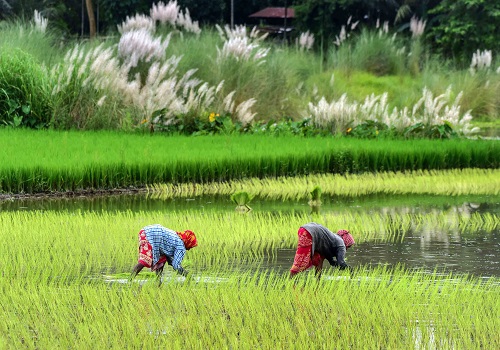
Concerns over the southwest monsoon have intensified as the NSE Market Pulse report warned that prolonged rainfall deficiency could significantly increase water stress and affect India's kharif cropping season. With the next few weeks being crucial for sowing operations, insufficient rainfall could disrupt agricultural activity, reduce crop production, and create fresh inflationary pressures in the economy.
Historically, deficient monsoon years have adversely affected kharif sowing, crop yields, reservoir storage, and rural incomes while also impacting the subsequent rabi season. Although improvements in irrigation infrastructure, higher reservoir capacity, and government policy interventions have enhanced the resilience of Indian agriculture in recent years, kharif production continues to depend heavily on timely and well-distributed monsoon rainfall.
The report noted that a positive Indian Ocean Dipole (IOD) this year could partially offset the negative influence of El Niño on the southwest monsoon. However, it cautioned against excessive optimism, pointing out that during 2015, rainfall remained 13.7% below normal despite the presence of a positive IOD. This suggests that favorable oceanic conditions alone may not fully protect agricultural production if monsoon performance remains weak.
Beyond immediate rainfall concerns, the report also highlighted the growing impact of climate change on India's weather patterns. The country's average annual temperature has steadily increased over the past century, with eight of the ten warmest years recorded during the last decade. Rising temperatures are extending periods of heat stress, increasing water demand, affecting reservoir levels, and adding pressure on agricultural productivity and energy consumption.
The report emphasized that while India's long-term average rainfall has remained relatively stable, year-to-year variability has increased considerably. Consequently, the timing, intensity, and geographical distribution of rainfall have become more important than seasonal rainfall totals in determining agricultural performance.
Timely monsoon revival and adequate rainfall distribution will be vital to safeguard kharif production, maintain water availability, and prevent supply-side inflationary pressures on the Indian economy.
Above views are of the author and not of the website kindly read disclaimer