Visa Policies and Their Impact on International Tourism: Navigating Borders in a Globalized World
International tourism has become one of the fastest-growing sectors of the global economy, connecting cultures, boosting economies, and fostering global understanding. However, one of the key factors shaping the flow of international tourists is the visa policy of countries. Visa policies—ranging from visa-free access to strict visa requirements—play a crucial role in determining how easily travelers can visit different destinations. Understanding these policies and their impact is essential for both tourists and policymakers aiming to promote tourism growth.
What Are Visa Policies?
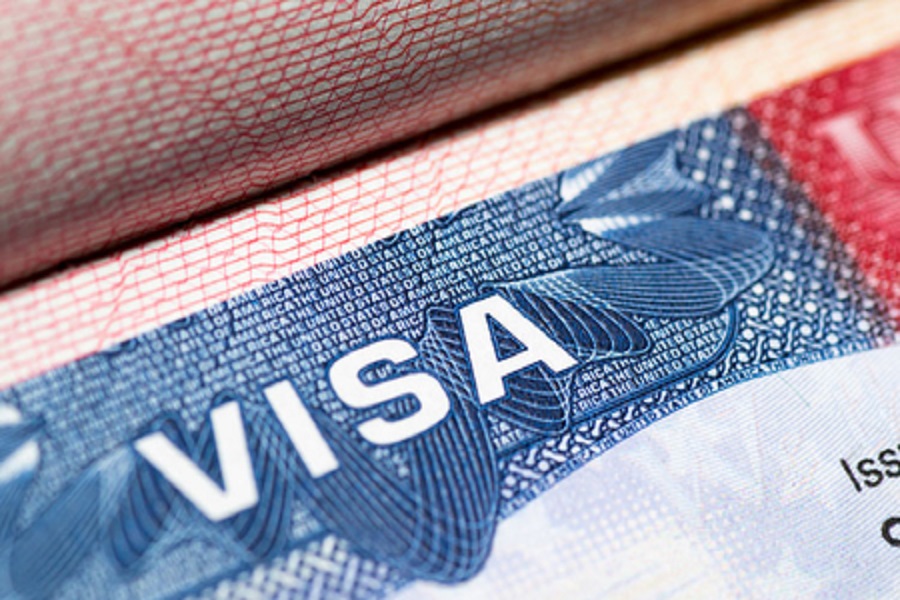
Visa policies are regulations set by countries that determine whether travelers require a visa to enter, the type of visa needed, the application process, fees, and duration of stay. These policies reflect a country’s approach to border security, diplomatic relationships, and tourism promotion strategies.
Impact on International Tourism
Ease of Travel Boosts Tourism
Countries with liberal visa policies, such as visa-free or visa-on-arrival access for many nationalities, tend to attract more tourists. Simplified visa procedures reduce travel planning stress and expenses, encouraging spontaneous and repeat visits. For example, the Schengen Area in Europe facilitates travel between 26 countries on a single visa, greatly enhancing tourist inflow.
Strict Visa Regulations Can Deter Tourists
Conversely, countries with complicated, expensive, or lengthy visa processes may see reduced tourist numbers. Lengthy paperwork, interviews, and high fees can discourage travelers, pushing them to choose easier destinations. This can impact local economies dependent on tourism revenue.
Political and Diplomatic Influences
Visa policies often reflect geopolitical relationships. Countries with strained diplomatic ties may impose visa restrictions, limiting tourist exchanges. Conversely, diplomatic agreements can lead to visa waivers or simplified procedures, promoting cross-border tourism and cultural exchange.
Economic Implications
Tourism contributes significantly to GDP, employment, and foreign exchange earnings. Countries that relax visa policies often experience increased tourist arrivals, benefiting airlines, hotels, restaurants, and local businesses. For developing nations, tourism growth fueled by favorable visa rules can accelerate infrastructure development and poverty reduction.
Security Concerns and Balanced Approach
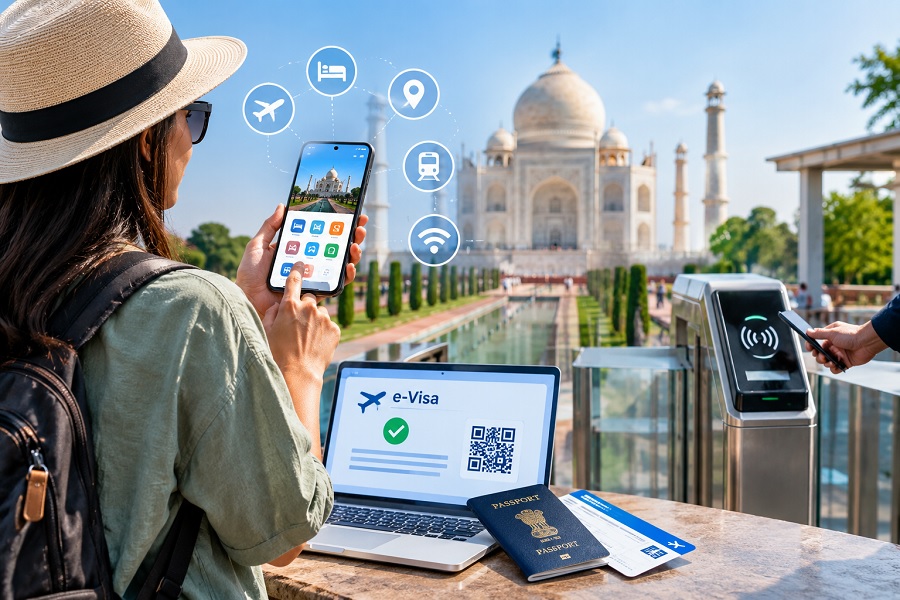
While open visa policies promote tourism, governments must balance openness with security. Screening processes aim to prevent illegal immigration, human trafficking, and security threats. Advances in technology, such as e-visas and biometric systems, help streamline visa issuance while maintaining safety.
Impact of COVID-19 Pandemic
The pandemic led to unprecedented travel restrictions worldwide. Many countries temporarily suspended visa-free travel or introduced health-related entry requirements. As recovery progresses, flexible and clear visa policies will be vital in restoring international tourism confidence.
Looking Ahead: Trends and Recommendations
Digitalization of Visa Processes: The shift toward e-visas and online applications is making visa procedures faster and more transparent.
Regional Travel Agreements: Expanding regional visa-free zones can boost intra-regional tourism.
Policy Harmonization: Aligning visa policies with international travel trends helps countries stay competitive.
Tourism-Focused Visa Programs: Special visas for tourists, such as multiple-entry or long-stay visas, can enhance visitor experience.
Conclusion
Visa policies remain a powerful tool in shaping international tourism flows. Striking the right balance between security and accessibility is key to maximizing tourism’s economic and cultural benefits. As global travel resumes full momentum, countries that adopt traveler-friendly visa policies will likely emerge as preferred destinations, fostering greater global connectivity and shared prosperity.