Traditional Art Tourism
Traditional Art Tourism – Exploring Living Culture Across the World
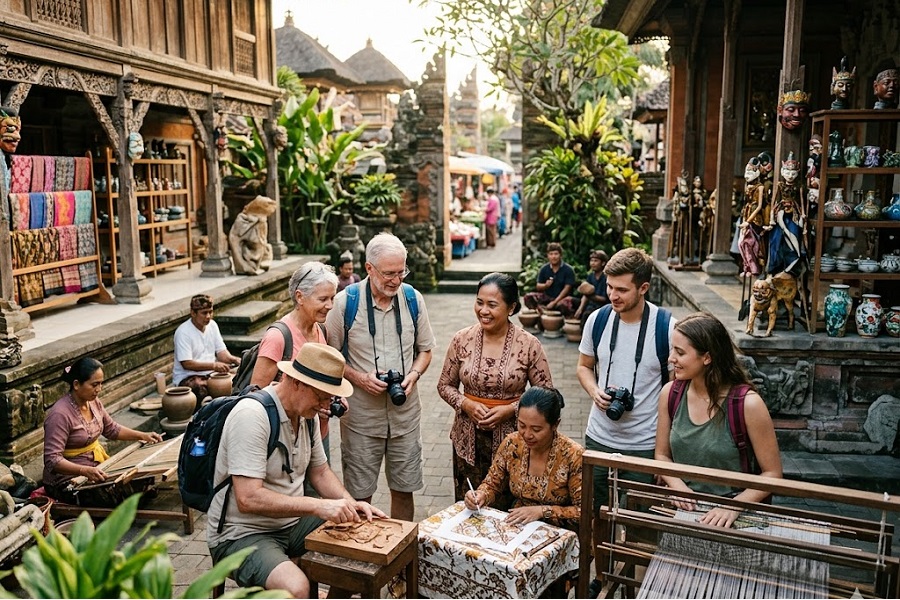
Traditional art tourism focuses on travel experiences built around indigenous crafts, folk traditions, and cultural artistry passed down through generations. Unlike museum-only visits, this form of tourism lets travelers see art being created in real time, meet local artisans, and understand the cultural meaning behind each craft.
From handwoven textiles in India to ceramic villages in Europe and tribal painting traditions in Africa, traditional art tourism is becoming a major part of cultural travel worldwide.
What is Traditional Art Tourism?
Traditional art tourism is a form of cultural travel where visitors explore:
Handmade crafts and artisan communities
Folk art traditions and cultural performances
Living workshops and craft villages
Heritage markets and art festivals
Indigenous and tribal art forms
It connects travelers directly with cultural identity, not just finished products.
Why Traditional Art Tourism is Growing
Several global trends are driving its popularity:
Travelers want authentic cultural experiences
Growth of slow and meaningful travel
Increased interest in sustainable tourism
Support for local artisan economies
Social media visibility of handmade art processes
Tourists now prefer experiences over souvenirs, and traditional art offers both.
Popular Traditional Art Tourism Destinations
Asia
Rajasthan handicraft villages (India)
Kyoto textile and pottery districts (Japan)
Bali wood carving communities (Indonesia)
Bhutan traditional weaving centers
Europe
Murano glassmaking (Italy)
Portuguese azulejo tile art workshops
Spanish flamenco cultural art hubs
Greek pottery and icon painting villages
Africa
Moroccan carpet weaving cooperatives
Ethiopian coffee ceremony art culture
West African tribal mask carving traditions
Americas
Mexican Talavera pottery towns
Peruvian textile weaving communities
Native American beadwork and pottery villages
Types of Traditional Art Experiences
1. Craft Villages
Travelers visit artisan communities where entire villages specialize in one craft such as pottery, weaving, or carving.
2. Live Workshops
Hands-on learning sessions where visitors try painting, dyeing, carving, or sculpting.
3. Heritage Markets
Traditional bazaars and art markets where artisans sell handmade goods.
4. Cultural Festivals
Events showcasing folk dances, music, and visual arts together.
5. Museum-to-Village Tours
Combining museum education with real-life artisan interaction.
Benefits of Traditional Art Tourism
Preserves endangered cultural heritage
Supports local artisan livelihoods
Encourages sustainable tourism models
Promotes cultural exchange and understanding
Creates meaningful travel experiences
Challenges
Commercialization of traditional art
Loss of authenticity in tourist-heavy areas
Lack of financial support for artisans
Younger generations moving away from crafts
Need for better cultural preservation policies
Future of Traditional Art Tourism
The future is moving toward:
AI-guided cultural tours with artisan mapping
Digital storytelling of craft heritage
Sustainable craft tourism networks
Global artisan marketplaces connected to tourism
Immersive cultural experiences using AR/VR
This ensures traditional art remains alive while reaching global audiences.
Conclusion
Traditional art tourism is more than sightseeing. It is a bridge between cultures, generations, and identities. It allows travelers to experience living history while supporting communities that keep ancient skills alive.
As travel evolves, this form of tourism is becoming one of the most meaningful ways to explore the world.