Theme Park Tourism
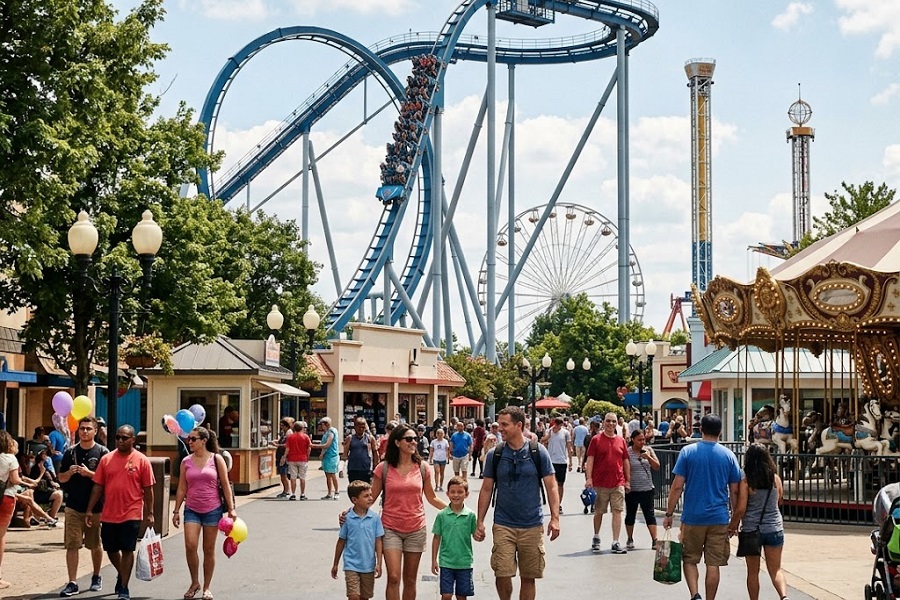
Theme park tourism is one of the fastest-growing sectors in the global travel and entertainment industry. It combines adventure, entertainment, technology, family experiences, and hospitality into one destination. From thrilling roller coasters to immersive fantasy worlds, theme parks attract millions of tourists every year.
Modern travelers are no longer looking only for sightseeing experiences. They also want interactive attractions, exciting rides, live entertainment, and memorable family activities, making theme park tourism a major part of international travel.
What Is Theme Park Tourism?
Theme park tourism refers to travel centered around amusement parks, water parks, entertainment resorts, and adventure parks. These destinations are designed around specific themes such as fantasy, movies, wildlife, science fiction, history, or culture.
Theme parks offer:
Adventure rides
Water attractions
Live shows and performances
Interactive gaming zones
Family entertainment
Shopping and dining experiences
Luxury resort stays
Many theme parks today operate as complete tourism ecosystems with hotels, restaurants, shopping centers, and event spaces.
Popular Theme Park Destinations Worldwide
1. Disneyland Parks
Known for magical experiences, fantasy storytelling, and family entertainment.
2. Universal Studios
Popular for movie-themed attractions, action rides, and cinematic experiences.
3. Ferrari World Abu Dhabi
Famous for high-speed roller coasters and luxury automotive entertainment.
4. Sentosa Island Singapore
Combines theme parks, beaches, water attractions, and family tourism.
5. Water Kingdoms & Adventure Parks in India
India’s growing tourism market now includes modern water parks and entertainment resorts for families and young travelers.
Why Theme Park Tourism Is Growing
Family-Friendly Experiences
Theme parks provide entertainment for all age groups, making them ideal family vacation destinations.
Technology-Driven Attractions
Virtual reality rides, AI-based simulations, and immersive experiences are attracting younger travelers.
Social Media Influence
Colorful attractions and cinematic environments make theme parks highly popular on Instagram, YouTube, and travel blogs.
Luxury Hospitality Integration
Modern parks now include luxury resorts, fine dining, shopping malls, and premium entertainment.
Seasonal Events & Festivals
Halloween events, music festivals, and holiday celebrations help parks attract tourists year-round.
Economic Impact of Theme Park Tourism
Theme parks contribute significantly to local economies by creating:
Employment opportunities
Hotel and hospitality demand
Transportation growth
Food and retail businesses
International tourism revenue
Large-scale entertainment tourism also encourages infrastructure development around major parks.
Future of Theme Park Tourism
The future of theme parks is becoming more technology-focused and sustainable.
Upcoming trends include:
AI-powered attractions
Augmented reality rides
Smart ticketing systems
Eco-friendly entertainment parks
Personalized digital experiences
Virtual interactive tourism
Many parks are also focusing on sustainable energy, water conservation, and green tourism initiatives.
Conclusion
Theme park tourism continues to evolve as one of the most exciting forms of modern travel. It combines entertainment, innovation, hospitality, and adventure into unforgettable experiences for travelers worldwide.
As technology and creativity continue to grow, theme parks will remain among the most popular tourism attractions for families, couples, and adventure seekers.