The Rise of Connected Bikes and AI in Motorcycling
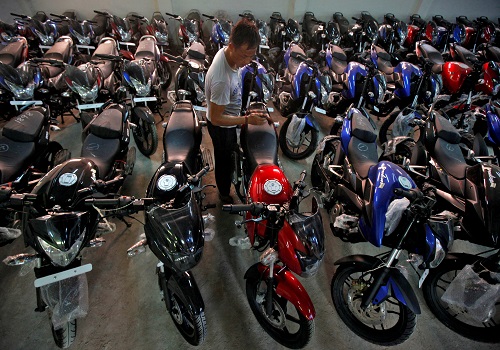
Motorcycling has always been about freedom, thrill, and the raw connection between rider and machine. But in recent years, that relationship has begun to evolve. With the rise of connected technology and artificial intelligence (AI), bikes are no longer just mechanical machines—they are becoming smart, adaptive, and increasingly intuitive companions on the road.
At the heart of this transformation is connectivity. Modern motorcycles are now equipped with sensors, GPS systems, and internet-enabled features that allow them to communicate with smartphones and even other vehicles. Brands like BMW Motorrad and Ducati have introduced advanced dashboards that integrate navigation, calls, music, and ride data into a single interface. Through mobile apps, riders can monitor bike health, track routes, and analyze performance—all in real time.
Artificial intelligence takes this a step further by making bikes smarter and safer. AI-powered systems can learn from a rider’s behavior and adjust performance accordingly. For example, traction control, adaptive cruise control, and cornering ABS are now enhanced with intelligent algorithms that respond dynamically to road conditions. Some high-end models even feature predictive maintenance systems that alert riders before a mechanical issue becomes serious.
Safety is one of the biggest advantages of connected and AI-driven bikes. With accident detection systems, a motorcycle can automatically send alerts to emergency contacts in case of a crash. Blind-spot detection and collision warning systems—once exclusive to cars—are gradually making their way into motorcycles. Companies like Bosch are leading innovation in this space, developing radar-based systems that significantly reduce the risk of accidents.
Another major development is the integration of voice assistants and smart controls. Riders can now interact with their bikes using voice commands, reducing the need to take their hands off the handlebars. This not only enhances convenience but also improves safety by minimizing distractions.
The impact of this technological shift goes beyond convenience and safety—it is reshaping the entire riding experience. For new riders, these features can reduce the learning curve and boost confidence. For experienced riders, they offer enhanced control and deeper insights into performance. Over time, this could make motorcycling more accessible to a wider audience.
However, the rise of connected bikes also brings challenges. Increased reliance on technology raises concerns about data privacy, system failures, and higher costs. Purists argue that too much automation takes away from the raw, mechanical essence of riding. There is also the question of accessibility, as advanced features are often limited to premium models.
Despite these concerns, the direction is clear. The future of motorcycling lies in the fusion of human skill and machine intelligence. As AI continues to evolve, bikes will become more personalized, safer, and more efficient. The essence of riding may remain the same—but the way we experience it is being fundamentally transformed.
In this new era, the motorcycle is no longer just a vehicle. It’s becoming a smart partner—one that learns, adapts, and evolves with its rider.