The Return of Simple Eating in a Complex Food Industry
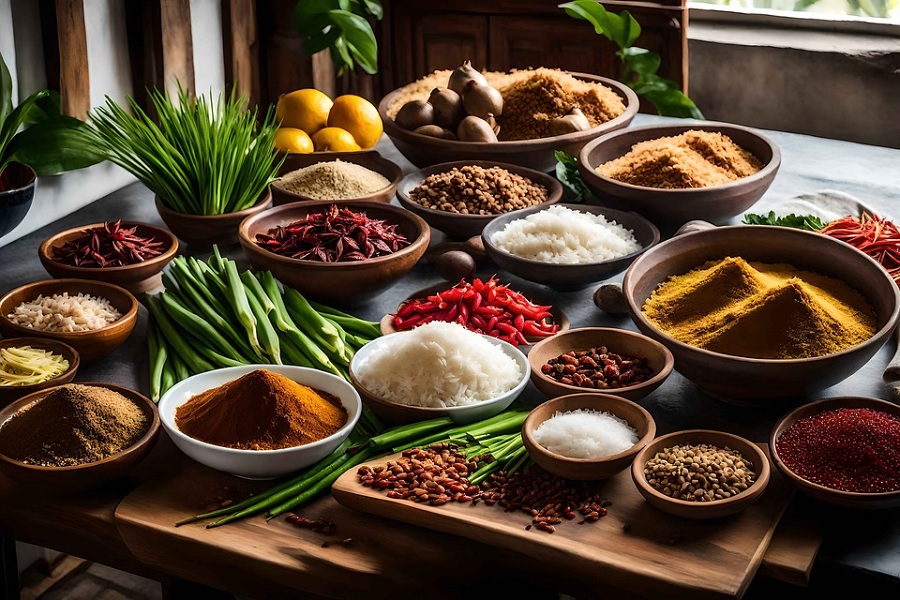
For decades, food has been getting more complicated. Ingredients lists have grown longer, labels have become harder to decode, and “health” food has often been wrapped in marketing more than clarity. In the middle of all this complexity, something quiet is happening—people are starting to move back toward simple eating.
Not restrictive eating. Not extreme diets. Just simpler food.
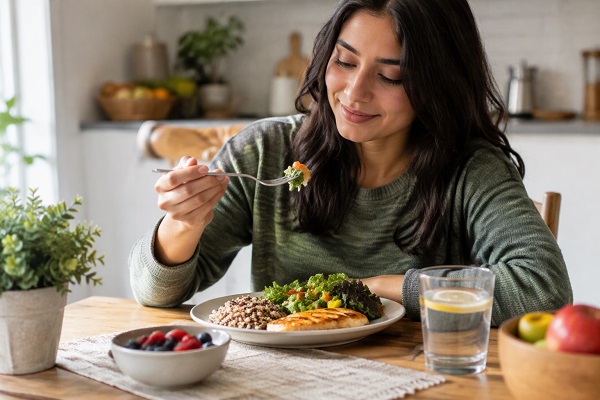
At its core, simple eating is about returning to basics: meals that don’t need explanation. Fresh ingredients, fewer processing steps, and food that feels recognizable without needing a label to justify it. It’s the idea that what you eat should be understandable without a chemistry degree.
This shift is not driven by trends alone. It’s coming from experience. Many people have spent years cycling through diet fads, packaged “healthy” snacks, protein-enriched everything, and ultra-convenient meals that promise nutrition but often deliver confusion. Over time, the constant noise around food choices has created fatigue.
Simple eating is a response to that fatigue.
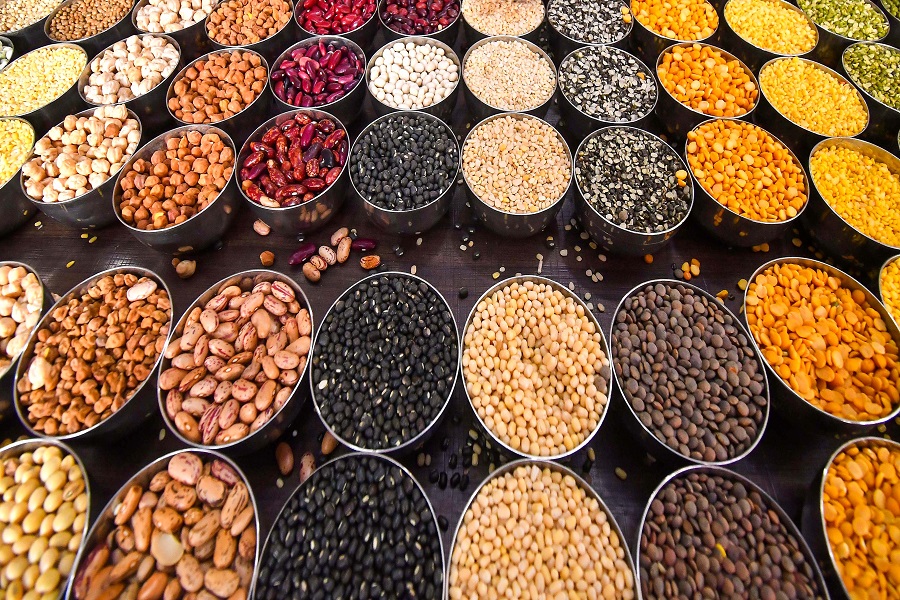
It shows up in small but noticeable changes. People cooking more at home, choosing fewer ingredients, reading labels more carefully, or preferring meals that resemble something their grandparents would recognize. A plate of rice, vegetables, and dal starts to feel more reassuring than a highly engineered “meal replacement” product.
There’s also a growing awareness that complexity in food doesn’t always mean better health. Many ultra-processed foods are designed for taste, convenience, and shelf life—not necessarily for long-term wellbeing. As this understanding spreads, simplicity begins to feel less like a downgrade and more like a correction.
Another reason for this return is control. Simple eating gives people a clearer sense of what they are consuming. When food is less processed, it is easier to understand its impact on energy, digestion, and overall feeling. There’s less guessing involved, and that clarity itself becomes valuable.
But this shift doesn’t mean rejecting modern food systems entirely. It’s not about abandoning restaurants, packaged goods, or innovation in food technology. It’s more about balance—choosing simplicity as the default and complexity as the exception, rather than the other way around.
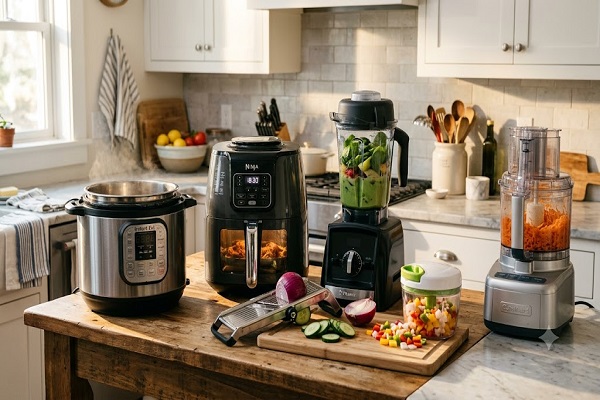
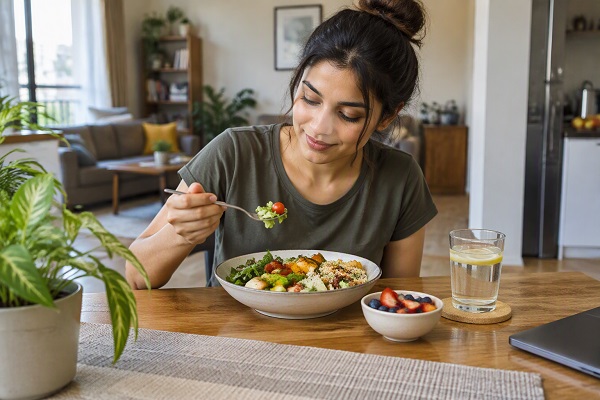
Interestingly, simple eating also changes the relationship with time. Instead of treating meals as something to rush through or outsource, it brings back a slower rhythm. Cooking becomes less about effort and more about routine. Eating becomes less about multitasking and more about pausing.
In a world where almost everything is optimized, measured, and enhanced, simplicity feels almost countercultural. But that’s exactly why it stands out. It doesn’t compete with trends—it steps aside from them.
The return of simple eating is not a rejection of progress. It is a recalibration of what progress should mean in the first place. Not more complexity, but more clarity. Not more options, but better choices.
In the end, food was never meant to be complicated to the point of confusion. And perhaps the most modern idea in nutrition today is actually one of the oldest: eat real food, in a way that your body can understand without explanation.