Tata Prima E.55S — The Future of Heavy Electric Transportation
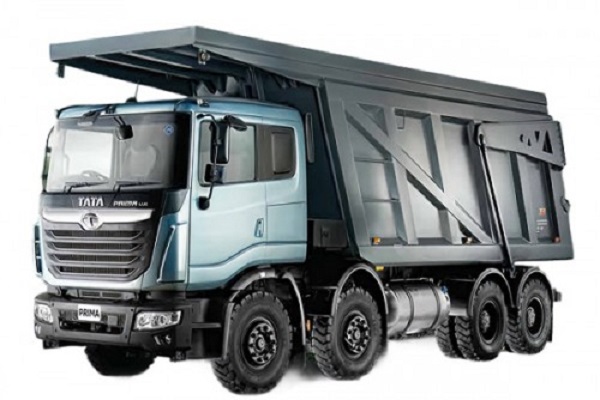
cAs the global transportation industry shifts toward sustainability, electric mobility is no longer limited to passenger vehicles. Heavy commercial transport is also undergoing a major transformation, and leading this change in India is the Tata Motors with its powerful innovation—the Tata Prima E.55S.
Designed for long-haul logistics and high-capacity freight, this electric truck represents the future of clean, efficient, and technologically advanced transportation.
A New Era of Electric Freight
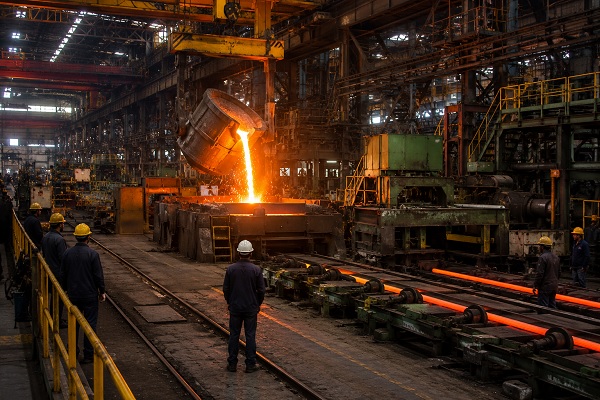
The Tata Prima E.55S is a 55-tonne electric tractor built for demanding industrial applications such as steel, cement, mining, and port operations. With a Gross Vehicle Weight (GVW) of 55,000 kg, it is engineered to handle heavy loads while significantly reducing carbon emissions.
This marks a crucial step toward greener logistics, where sustainability meets performance without compromise.
Powerful Performance Meets Efficiency
One of the standout features of the Prima E.55S is its high-performance electric drivetrain:
Motor Power: 470 kW Permanent Magnet Synchronous Motor
Torque: Up to 2,455 Nm
Battery Options: 300 kWh and 450 kWh
Range: Approximately 350–500 km per charge
These specifications make it suitable for long-distance transportation, even under heavy load conditions. The truck also features regenerative braking, which helps recover energy and improve efficiency during operations.
Fast Charging and Advanced Technology
The Tata Prima E.55S is equipped with dual CCS2 fast-charging ports, enabling rapid charging and minimizing downtime. In some configurations, it can achieve significant charging in a short duration, making it practical for fleet operations.
Additionally, the truck integrates modern technologies such as:
ADAS (Advanced Driver Assistance Systems) for enhanced safety
4G telematics for real-time fleet tracking
FOTA updates (Firmware Over-The-Air) for continuous improvement
These features bring digital intelligence into heavy transport, improving operational efficiency and safety.
Designed for Driver Comfort and Safety
Long-haul trucking demands comfort and safety, and the Prima E.55S delivers on both fronts:
Premium Prima cabin with sleeper configuration
Crash-tested design for enhanced protection
Hill Start Assist and Electronic Braking System (EBS)
Advanced suspension for smoother rides
Such features ensure reduced driver fatigue and improved productivity on long journeys.
Sustainability and Cost Benefits
Switching to electric trucks like the Prima E.55S offers significant environmental and economic advantages:
Zero tailpipe emissions, reducing environmental impact
Lower operating costs compared to diesel trucks
Reduced dependence on fossil fuels
Contribution to India’s clean energy goals
With increasing focus on green logistics, electric trucks are set to become the backbone of future supply chains.
Challenges and the Road Ahead
Despite its advantages, electric heavy transport still faces challenges such as:
Limited charging infrastructure
High initial investment costs
Need for specialized maintenance networks
However, with rapid advancements in EV infrastructure and government support, these barriers are gradually being addressed.
Final Thoughts
The Tata Prima E.55S is more than just a truck—it is a glimpse into the future of transportation. By combining power, technology, and sustainability, it sets a new benchmark for heavy commercial vehicles in India.