Nepal tourism revives after floods as Annapurna Circuit sees trekking rebound
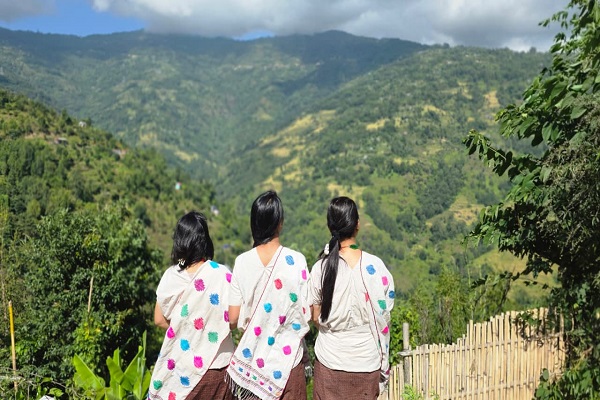
Nepal's iconic Annapurna Circuit is showing signs of recovery after weeks of disruption caused by floods, landslides, and heavy rain and snowfall, according to a media report from Kathmandu.
Tourist arrivals on this circuit are picking up, with around 150 to 200 visitors now arriving daily at the tourist check and information centre in Dharapani, reported The Himalayan Times on Monday.
Located at a height of about 1,900 metres, Dharapani in northern Nepal is among important locations for travel enthusiasts to obtain permits for trekking at either the Manaslu Circuit or Annapurna Circuit.
Tourist arrivals have risen at the Dharapani tourist check and information centre after trail-clearing operations reopened access across the route, including the critical Thorong La Pass at 5,416 meters, stated the report. The number had briefly fallen to just one or two trekkers per day as severe weather blocked roads and trekking paths across the Manang region, it added.
Incidentally, the Annapurna Circuit is one of Nepal’s most popular trekking routes, winding from Besisahar in Lamjung District through the high-altitude landscapes of Manang, crossing the Thorong La Pass before descending into Mustang.
Renowned for its dramatic Himalayan scenery, diverse ecosystems, and rich cultural heritage, the circuit attracts thousands of adventure travellers from around the world each year. The route is widely regarded as one of the world's premier long-distance treks, drawing visitors seeking a close view of the Annapurna Mountain range and traditional Himalayan communities.
The reported recovery follows a difficult period for Nepal's tourism industry in the aftermath of the Himalayan tragedy, as well as heavy rainfall and snowfall that had blocked roads and trekking trails.
The floods and landslides stranded hundreds of visitors in Manang and forced many trekkers to abandon or postpone their journeys. On-ground reports, quoting authorities, said that sections of roads were washed away, cutting off transportation links and delaying both rescue and restoration efforts.
Tourism is a crucial pillar of Nepal's economy, especially in mountain regions where local livelihoods depend heavily on trekking, with guides, transport operators, accommodation, and other hospitality service providers making their earnings. Thus, when inclement weather-related disasters disrupt access to major destinations such as Annapurna, local businesses experience immediate losses in income and employment opportunities.
The World Bank’s “Nepal Development Update (October 2026)” noted that the August flood is expected to affect the country’s economy “through four primary transmission channels: energy, transportation, trade, and tourism”.
The Nepal News, quoting a Nepal Rastra Bank (NRB) report, said that tourism income declined by 2.2 percent in the first 10 months of fiscal year 2025-26 (July 17, 2025, to May 14, 2026), while the country’s net service income remained in deficit at Rs 68.22 billion.
The NRB reported that tourism earnings stood at Rs 74.18 billion during the review period, down from Rs 75.83 billion in the corresponding period of the previous fiscal year.
Meanwhile, travel-related expenditure fell by 3.4 per cent to Rs 177.87 billion from Rs 184.22 billion a year earlier, it stated, adding, “However, spending continued to far exceed tourism income, contributing to the deficit in the service account.” Then came the August 26 disaster and the aftermath, following a glacier chunk that collapsed, triggering catastrophic flash floods across districts, largely along the Nepal-Tibet border.
Tourism entrepreneurs quoted by The Himalayan Times expressed optimism that improving trail conditions and restored transportation links will bring more visitors during the peak trekking season, helping mountain communities recover economically after the recent floods and snowfall.
With roads gradually reopening and weather conditions stabilising, officials and local businesses hope the Annapurna region can regain the visitor numbers that once reached 400 to 500 trekkers per day during peak periods.