How Windshield Design Can Affect a Driver's Visibility
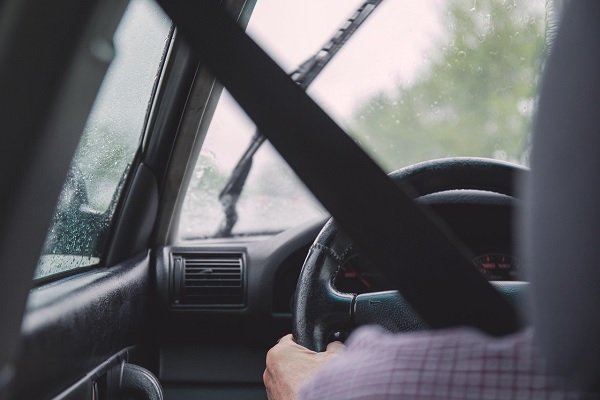
A car’s windshield is often viewed simply as a piece of glass that protects occupants from wind and weather. But its shape, angle and surrounding structure can have a noticeable effect on how much of the road a driver can see.
Good visibility can make everyday driving easier, particularly in crowded streets, intersections, parking areas and unfamiliar locations. This is why windshield design is an important part of a car’s overall driving experience.
The Angle of the Windshield Matters
Modern cars often use more sharply sloped windshields than older vehicles. A sloped design can contribute to the car’s aerodynamic shape, but it also changes how the driver views the road.
The position and angle of the glass influence the driver's field of view and how close objects appear to the front of the vehicle. A driver may also notice differences when looking toward the upper corners or the sides of the windshield.
The ideal design balances aerodynamic efficiency with practical visibility.
Windshield Size Can Influence the View
A larger windshield can provide a wider visual area, but glass size alone does not determine visibility.
The driver's seating position, dashboard height and roof structure all play a role. Two vehicles can have windshields that appear similarly large from outside but provide different views from the driver's seat.
This is why visibility is best judged from inside the vehicle rather than by looking at the windshield from outside.
A-Pillars Create Blind Areas
The structural supports on either side of the windshield are commonly known as A-pillars. They are necessary parts of the car's body structure, but they can block a small portion of the driver's view.
The effect becomes more noticeable when the vehicle approaches a turn, an intersection or a narrow road where objects may temporarily sit behind a pillar.
Drivers naturally compensate by moving their head and checking different angles, but the width and placement of these pillars can still influence how easily the surrounding area can be observed.
Dashboard Height Also Plays a Role
Visibility is not determined by the windshield alone. The height and shape of the dashboard can affect how much of the road immediately ahead is visible.
A higher dashboard may create a different sightline compared with a lower one. This can be particularly noticeable when judging the position of the front of the car during parking or manoeuvring through tight spaces.
The seating position therefore becomes an important part of the visibility experience.
Driver Seating Position Changes What You See
A windshield can be well designed, but an incorrectly adjusted seat can reduce its benefits.
Seat height, distance from the steering wheel and seatback angle all change the driver's eye position. A small adjustment can sometimes make it easier to see the road, mirrors and surrounding traffic.
This is one reason drivers of different heights may experience the same car differently.
Wiper Coverage Is Part of Visibility
Windshield visibility also depends on how effectively the wipers clear the glass.
During rain, areas that are not properly cleaned can create distracting water patterns, especially when headlights or streetlights are reflecting from wet surfaces.
A well-designed wiper system aims to keep the most important area in front of the driver clear. Blade condition also matters, because worn wipers can leave streaks that reduce clarity.
Reflections Can Affect What the Driver Sees
The windshield can occasionally reflect parts of the dashboard or surrounding light back toward the driver.
Bright sunlight, dashboard surfaces and headlights from other vehicles can all contribute to reflections. The amount of glare a driver experiences can depend on the windshield angle, interior materials and lighting conditions.
Reducing unnecessary reflections can make the driving environment more comfortable, particularly during certain times of the day.
Visibility at Night Is Different
A windshield that feels perfectly clear during the day may present different challenges at night.
Headlights from oncoming traffic, street lighting and reflections from wet roads can create glare. Dirt or small marks on the windshield may become more noticeable under strong light sources.
Keeping the glass clean inside and outside can therefore make a meaningful difference to night-time visibility.
Why Visibility Matters in Everyday Driving
Good visibility helps a driver judge road position, observe surrounding vehicles, identify pedestrians and understand what is happening ahead.
Features such as cameras, sensors and driver-assistance systems can provide additional information, but they do not replace the driver's direct view through the windshield and side windows.
For everyday driving, a clear and comfortable sightline remains one of the basic qualities that can make a car easier to operate.
A Small Part of the Car With a Big Job
Windshield design involves much more than simply choosing a large piece of glass. Its angle, size, relationship with the A-pillars, dashboard and seating position all contribute to the driver's view.
When choosing a car, visibility is therefore worth checking alongside styling, features and performance. Sitting in the driver's seat and observing the road from different positions can reveal details that specifications alone cannot show.
A car may look impressive from the outside, but the view from behind the wheel is what ultimately matters when it is being driven every day.