South Korean Earth-observation satellite successfully put into orbit
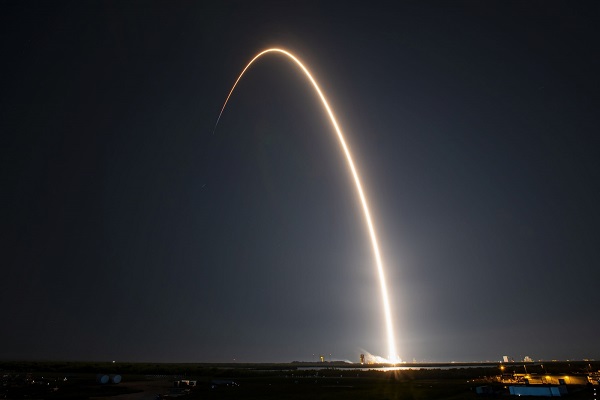
A South Korean Earth-observation satellite has successfully entered low-Earth orbit following its launch from a U.S. space base in California, authorities said on Sunday, in a move expected to help bolster Seoul's satellite development capabilities.
A SpaceX Falcon 9 rocket carrying the satellite lifted off at 12 a.m. Saturday (U.S. time) from Vandenberg Space Force Base in Santa Barbara County, California.
The satellite, called Compact Advanced Satellite (CAS) 500-2, was separated from the launch vehicle about one hour after liftoff, and it was successfully put into orbit, according to the Korea AeroSpace Administration (KASA), reports Yonhap news agency.
The next-generation midsized satellite No. 2 succeeded in making its first communication with a ground station in Norway about 15 minutes following the separation from the rocket. KASA said it identified the satellite as normally working.
The satellite was developed for disaster monitoring and agricultural observation. Following a four-month initial operation period, the CAS500-2 will perform its mission together with the CAS500-1 starting in the second half of this year.
The CAS500-2 had been originally scheduled to launch on a Russian Soyuz rocket in 2022 but the deployment was delayed following Russia's invasion of Ukraine.
The 534-kilogram CAS500-2 is capable of high-resolution Earth observation, featuring a ground resolution of 0.5 meters in black-and-white images and 2 meters in colour.
KASA said key components of the CAS500-2 platform and payload were developed with homegrown technology, noting that South Korea's space technology independence has been strengthened with the successful launch of the satellite.
"The successful launch of CAS500-2 marked a major milestone in opening the private-led space era," KASA Administrator Oh Tae-seog said, stressing that it will help bolster the country's satellite technology competitiveness by independently securing high-precision imagery capabilities.