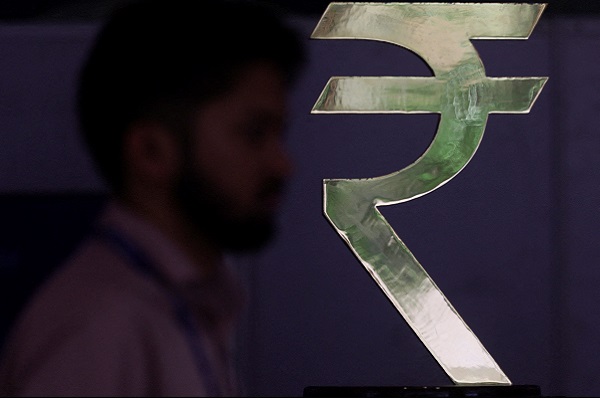
Rupee pressured by Iran talks impasse; RBI intervention a 'reliable' buffer

The Indian rupee faces new headwinds at Monday's open with stalled US-Iran talks pushing oil prices higher, while central bank intervention is likely to cushion the currency's decline.
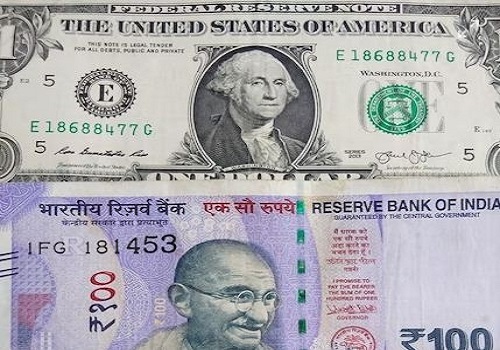
The rupee is expected to open slightly weaker, having settled at 95.8125 to the dollar on Friday, according to traders.
For currency traders, the 96-per-dollar mark has become an increasingly important level over the past two weeks, with the Reserve Bank of India repeatedly stepping in when the currency approaches it.
The central bank's intervention has so far kept the rupee from sustaining a dip past 96, despite pressure from higher oil prices, rising US Treasury yields and a firmer dollar.
"The RBI is providing a reliable buffer for now against all the negatives (for the rupee)," a currency trader at a bank said.
"The question is how long it can hold 96 if oil and US yields keep pushing higher. Importers are responding by increasing their hedging.”
OIL, US BOND HEADWINDS PERSIST
Oil prices rose on Monday after US President Donald Trump rejected an Iranian proposal to resolve the conflict and reopen the Strait of Hormuz, keeping tensions in the Middle East high and fuelling concerns about prolonged disruptions to oil supplies.
Brent crude climbed 2.5% to around $107 a barrel in Asian trading, with the move higher spilling over into US bonds. The 10-year Treasury yield rose to 5.2%, lifting the dollar and adding to pressure on the rupee and other Asian currencies.
Longer-dated US Treasury yields have jumped in recent sessions following robust economic data, which has compounded concerns over the inflationary impact of higher oil prices.
The 10-year and 30-year yields are now at their highest levels in nearly two decades.
The upbeat economic data has lifted expectations for another US rate hike, with traders pricing in a more than 64% chance of a move in October.