Padmasana – The Fundamental Mantra of Yoga: A Blessing for Body and Mind
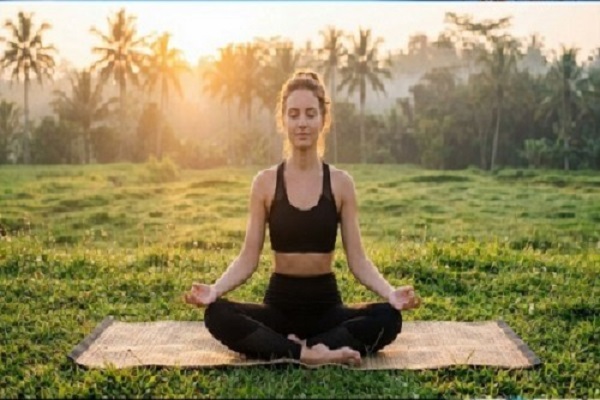
Padmasana, also known as the Lotus Pose, is one of the most important and symbolic postures in yoga. Often called the “foundation of meditation,” this asana represents balance, stability, and inner peace. In yogic tradition, Padmasana is considered a gateway to deeper meditation and spiritual awakening, making it a true blessing for both body and mind.
What is Padmasana?
Padmasana is a seated yoga posture where each foot is placed on the opposite thigh, forming a lotus-like shape. The spine remains straight, and the hands rest gently on the knees in a meditative position.
It is widely used for:
Meditation (Dhyana)
Pranayama (breathing exercises)
Chanting and mindfulness practices
Why is it Called the “Lotus Pose”?
The lotus flower is a powerful symbol in yoga and spirituality. It grows in muddy water but blooms beautifully above the surface, untouched by impurities.
Similarly, Padmasana teaches:
Rising above stress and negativity
Maintaining inner calm in difficult situations
Spiritual growth despite worldly challenges
Physical Benefits of Padmasana
Practicing Padmasana regularly offers multiple health benefits:
Improves Flexibility
Opens hips, knees, and ankles
Gradually increases lower body flexibility
Strengthens Posture
Keeps the spine straight
Reduces slouching habits
Enhances Blood Circulation
Improves blood flow in the lower body
Supports overall body balance
Aids Digestion
Gentle pressure on abdominal region improves digestion
Mental and Emotional Benefits
Padmasana is not just a physical posture—it is a powerful mental exercise.
Reduces Stress and Anxiety
Calms the nervous system
Helps reduce mental overthinking
Improves Concentration
Enhances focus and memory
Ideal for students and professionals
Promotes Inner Peace
Creates emotional stability
Encourages mindfulness and awareness
Spiritual Significance
In yogic philosophy, Padmasana is considered the ideal posture for meditation because it allows the body to remain still for long durations while the mind becomes deeply focused.
It is often associated with:
Spiritual awakening
Deep meditation (Samadhi preparation)
Energy balance within the body
Precautions While Practicing
While Padmasana is highly beneficial, it should be practiced carefully:
Avoid forcing legs into position
Do not practice if you have knee or ankle injuries
Start with simpler poses like Sukhasana or Ardha Padmasana
Practice under guidance if you are a beginner
How to Practice Padmasana Correctly
Sit on a flat surface with legs extended
Bend the right knee and place the foot on the left thigh
Bend the left knee and place the foot on the right thigh
Keep the spine straight and shoulders relaxed
Rest hands on knees in Gyan Mudra
Close eyes and focus on breathing
Conclusion
Padmasana is more than just a yoga posture—it is a state of calmness, balance, and inner harmony. Regular practice strengthens the body, stabilizes the mind, and opens the path to deeper meditation. Truly, it is a blessing for both physical health and mental peace.
In a fast-paced world filled with stress, Padmasana reminds us to pause, breathe, and reconnect with ourselves.