Oil extends decline ahead of US-Iran talks
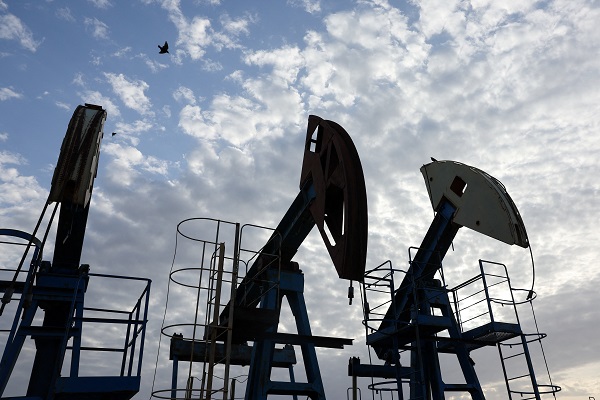
U.S. crude futures extended their decline on Friday, on track for their first weekly drop in weeks, as concerns about supply disruption in the Middle East eased with investors focusing on the outcome of U.S.-Iran nuclear talks in Oman later in the day.
Brent crude futures dropped 50 cents, or 0.74%, to $67.05 a barrel at 0102 GMT after settling 2.75% lower in the previous session.
U.S. West Texas Intermediate crude was at $62.77 a barrel, down 52 cents or 0.82%, after closing 2.84% lower on Thursday.
The benchmarks are headed for their first weekly drop in more than a month and are down more than 3% from near six-month highs reached in late January when U.S. President Donald Trump threatened to strike Iran.
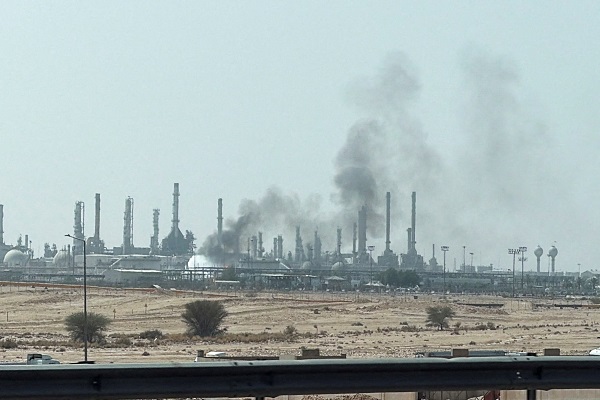
Both countries agreed to hold talks in Oman on Friday amid heightened tensions as the U.S. builds up forces in the Middle East and regional players seek to avoid a military confrontation that many fear could escalate into a wider war.
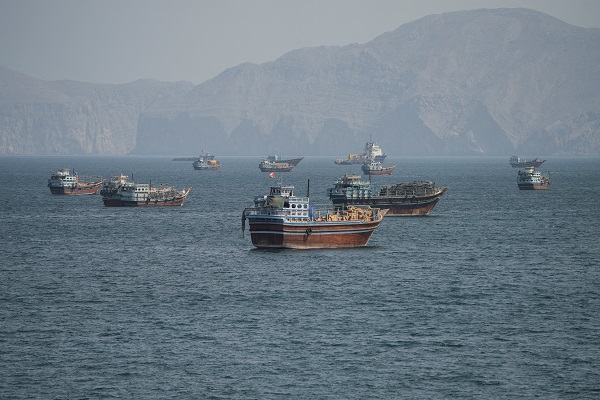
About a fifth of the world's total oil consumption passes through the Strait of Hormuz between Oman and Iran. Other OPEC members, Saudi Arabia, the United Arab Emirates, Kuwait and Iraq, export most of their crude via the strait, as does Iran.
"Escalating geopolitical tensions between the U.S. and Iran have contributed to higher oil prices," Capital Economics analysts said in a note.
"But we think that geopolitical fears will give way to weak fundamentals," they said, pointing to a recovery in Kazakhstan's oil output which will help push oil prices lower towards $50 per barrel by end-2026.
.jpg)